
Tokyo at a Glance: Essential Travel Guide for First-Time Visitors (2026)
Tokyo at a Glance
Tokyo is Japan’s vibrant capital, where futuristic skyscrapers stand alongside centuries-old temples and peaceful gardens. As one of the world’s largest cities, it offers an incredible mix of culture, food, shopping, nightlife, and history. Whether you’re visiting for a few days or using Tokyo as the starting point for a longer Japan itinerary, there’s something to suit every type of traveller.
Why Visit Tokyo?
Tokyo is one of the most exciting cities in the world, blending centuries-old traditions with cutting-edge technology and modern culture. One moment you can be exploring peaceful temples and historic neighbourhoods, and the next you’re surrounded by neon lights, towering skyscrapers, and some of the world’s busiest shopping districts.
The city is also a paradise for food lovers, offering everything from affordable ramen shops and sushi restaurants to Michelin-starred dining experiences. Whether you’re interested in anime and gaming, fashion, history, nature, or nightlife, Tokyo has something for every type of traveller.
Despite its size, Tokyo is remarkably clean, safe, and easy to navigate thanks to its efficient public transport network. It’s also an excellent base for day trips to destinations such as Hakone, Nikko, Kamakura, and even Mount Fuji.
Whether you’re visiting Japan for the first time or returning to discover more, Tokyo offers unforgettable experiences that keep travellers coming back again and again.
Best Time to Visit Tokyo
Tokyo is a fantastic destination year-round, with each season offering something unique. The best time to visit depends on the experiences you’re looking for.
Spring (March to May) is one of the most popular times to visit thanks to the famous cherry blossom season. Parks such as Ueno Park and Shinjuku Gyoen come alive with pink blooms, while the mild temperatures make sightseeing comfortable. Be sure to book accommodation well in advance, as this is peak travel season.
Summer (June to August) brings hot, humid weather, with June marking the start of the rainy season. Despite the heat, summer is packed with colourful festivals, fireworks displays, and lively events. If you don’t mind the temperatures, it’s a great time to experience Tokyo’s energetic atmosphere.
Autumn (September to November) is another excellent time to visit. Cooler temperatures, lower humidity, and stunning autumn foliage make it perfect for exploring the city’s parks, gardens, and surrounding attractions. Many travellers consider this the ideal season for sightseeing.
Winter (December to February) is generally cold but sunny, with clear skies and fewer crowds. While snow is uncommon in the city, Tokyo’s festive Christmas illuminations and New Year celebrations create a magical atmosphere. It’s also a great time to find lower accommodation prices outside the holiday period.
For most travellers, spring and autumn offer the best combination of pleasant weather, beautiful scenery, and ideal sightseeing conditions.
How Many Days Do You Need in Tokyo?
To experience the highlights of Tokyo, 4 to 5 days is the ideal amount of time. This gives you enough opportunity to explore iconic neighbourhoods like Shibuya, Shinjuku, Asakusa, Akihabara, and Harajuku while also visiting famous attractions such as Sensō-ji Temple, Meiji Jingu, and the Tokyo Skytree.
If you’re short on time, 2 to 3 days is enough to see many of Tokyo’s must-visit sights, although your itinerary will be more fast-paced. This works well if you’re combining Tokyo with other destinations such as Kyoto, Osaka, or Hiroshima.
For travellers who want to dive deeper into the city’s food scene, shopping districts, museums, and nightlife, or take day trips to places like Hakone, Nikko, Kamakura, or Mount Fuji, a week or more is recommended.
We stayed in Tokyo for 5 nights which gave us enough time to see the main attractions and explore the neighbourhoods we wanted to explore at a comfortable pace.
No matter how long you stay, Tokyo offers an endless variety of experiences, making it a destination you’ll likely want to return to.
How to Get Around Tokyo
Tokyo has one of the world’s most efficient public transport systems, making it easy to explore every corner of the city without needing a car. The extensive network of trains and subways connects all the major attractions, shopping districts, and neighbourhoods.
The JR Yamanote Line is especially useful for visitors, looping around many of Tokyo’s most popular areas, including Shibuya, Shinjuku, Ueno, Ikebukuro, and Tokyo Station. For destinations not served by JR, the Tokyo Metro and Toei Subway networks provide excellent coverage throughout the city.
Using a rechargeable Suica or PASMO IC card is the easiest way to pay for public transport. Simply tap in and out at station gates, and the correct fare is automatically deducted. These cards can also be used in many convenience stores, vending machines, and some restaurants.
Walking is one of the best ways to explore individual neighbourhoods, especially areas like Asakusa, Harajuku, Ginza, and Yanaka, where you’ll discover hidden cafés, temples, shops, and local streets away from the main tourist attractions.
Taxis are widely available but are considerably more expensive than public transport, making them best suited for late-night journeys or when travelling with luggage. Ride-hailing apps are available, but most visitors will find Tokyo’s train and subway system to be the quickest, cheapest, and most convenient way to get around.
Top Attractions in Tokyo
Tokyo is packed with world-famous landmarks, historic temples, vibrant neighbourhoods, and unique cultural experiences. Whether you’re visiting for the first time or returning to discover more, the city offers an incredible mix of traditional and modern attractions. From crossing the iconic Shibuya Scramble and exploring the ancient Sensō-ji Temple to taking in panoramic views from the Tokyo Skytree and wandering through peaceful gardens, there’s no shortage of unforgettable places to visit. Below are the best attractions in Tokyo that should be on every traveller’s itinerary.
Cross Shibuya Crossing
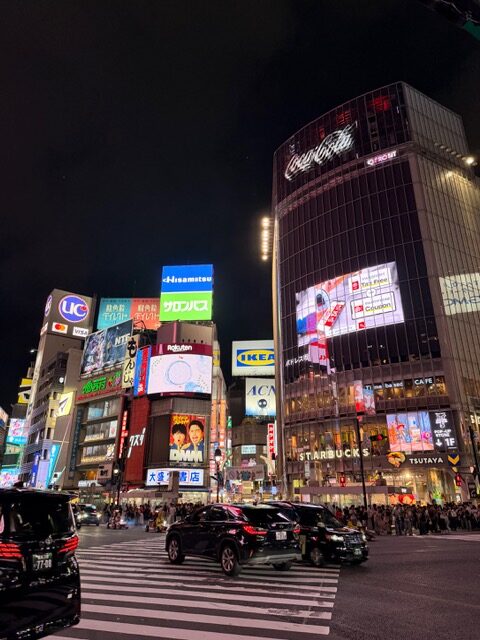
No visit to Tokyo is complete without experiencing Shibuya Scramble Crossing, one of the busiest pedestrian crossings in the world. Every time the lights change, thousands of people cross from all directions, creating one of the city’s most iconic sights. Visit during the day to soak up the atmosphere or after dark when the surrounding neon lights make the area even more impressive. Nearby, you’ll also find the Hachikō Statue, Shibuya Sky observation deck, countless restaurants, and excellent shopping.
Take in the Views from Tokyo Skytree
Standing at 634 metres, Tokyo Skytree is the tallest structure in Japan and offers breathtaking panoramic views across the city. On clear days, you may even spot Mount Fuji in the distance. The complex also features restaurants, an aquarium, and one of Tokyo’s largest shopping centres, making it easy to spend several hours here.
Visit Sensō-ji Temple
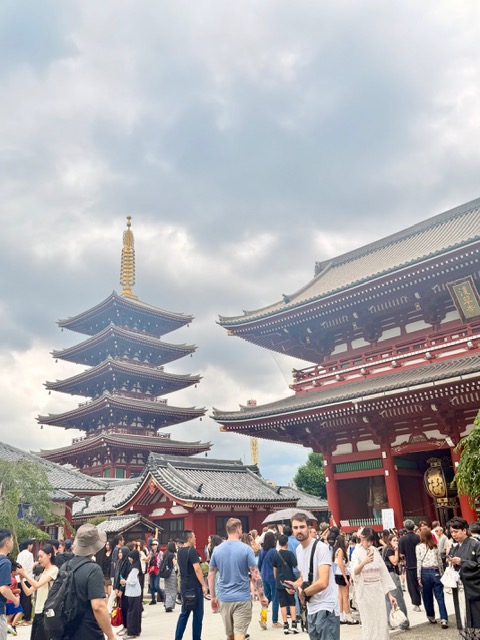
Located in the historic district of Asakusa, Sensō-ji is Tokyo’s oldest and most famous Buddhist temple. Enter through the striking Kaminarimon Gate before strolling along Nakamise Street, where you’ll find traditional snacks, souvenirs, and local crafts. The temple is beautiful throughout the year but is especially popular during cherry blossom season and at night when it’s beautifully illuminated.
Top Tip: Visit earl in the morning to avoid crowds. We went mid morning and it was extremely busy.
Immerse Yourself at teamLab Planets
For one of Tokyo’s most unique experiences, visit teamLab Planets. This immersive digital art museum features interactive installations that combine light, sound, water, and mirrors to create unforgettable displays. Tickets often sell out in advance, so booking ahead is highly recommended.
Explore Meiji Jingu Shrine
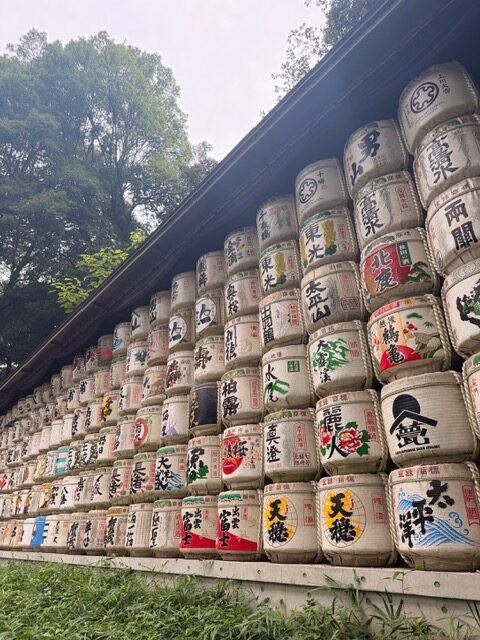
Nestled within a peaceful forest near Harajuku, Meiji Jingu offers a welcome escape from Tokyo’s busy streets. The shrine is surrounded by towering trees and tranquil walking paths. It’s one of the city’s most important spiritual sites and a great place to experience traditional Japanese culture.
One of the highlights of visiting Meiji Jingu is seeing the colourful wall of traditional sake barrels displayed near the shrine’s main approach. These beautifully decorated barrels have been donated by sake breweries from across Japan as offerings to the deified Emperor Meiji and Empress Shoken. They symbolise gratitude, prosperity, and the deep connection between sake and Japanese culture.
Experience the Energy of Shinjuku
Shinjuku is one of Tokyo’s most exciting districts, famous for its towering skyscrapers, shopping centres, entertainment, and nightlife. Wander through Kabukichō, explore the narrow alleyways of Omoide Yokocho, or relax in the beautiful Shinjuku Gyoen National Garden. For incredible city views, head to the Tokyo Metropolitan Government Building’s free observation deck.
Wander Through the Imperial Palace East Gardens
Located on the former grounds of Edo Castle, the Imperial Palace East Gardens offer a peaceful retreat in the heart of Tokyo. Beautifully landscaped gardens, historic ruins, and seasonal flowers make this an excellent place for a leisurely stroll. Entry is free, making it one of the city’s best-value attractions.
Essential Travel Tips for Tokyo
Tokyo is an incredibly easy city to explore, but a few practical tips can help make your trip even smoother.
- Get an IC card: Purchase a Suica or PASMO card to pay for trains, subways, buses, and even convenience store purchases without buying individual tickets.
- Carry some cash: While credit cards are widely accepted, some smaller restaurants, temples, and local shops still prefer cash.
- Stay connected: Renting a pocket Wi-Fi or purchasing an eSIM makes navigating Tokyo with maps and translation apps much easier.
- Avoid rush hour: Trains can become extremely crowded between 7:30–9:30 am and 5:00–7:00 pm, especially on weekdays.
- Respect local etiquette: Queue patiently, speak quietly on public transport, and avoid eating while walking in busy areas.
- Wear comfortable shoes: You’ll cover a surprising amount of ground exploring neighbourhoods, train stations, and attractions.
- Book popular attractions in advance: Experiences such as teamLab Planets, Shibuya Sky, and themed cafés often sell out, particularly during peak travel seasons.
- Carry a reusable water bottle: Public drinking fountains can be found in many parks, stations, and tourist attractions, helping you save money and reduce plastic waste.
- Use luggage forwarding services: If you’re travelling between cities, Japan’s reliable luggage delivery services make it easy to explore without carrying heavy bags.
- Learn a few basic Japanese phrases: Simple words like arigatou (thank you) and sumimasen (excuse me) are appreciated by locals, even though many signs in Tokyo include English.
Following these simple tips will help you save time, avoid common travel mistakes, and enjoy everything Tokyo has to offer with confidence.
Frequently Asked Questions About Tokyo
Is Tokyo worth visiting?
Absolutely. Tokyo is one of the world’s most exciting destinations, offering a unique mix of ancient temples, futuristic skyscrapers, incredible food, world-class shopping, and vibrant nightlife. Whether you’re interested in history, culture, technology, or anime, there’s something for every traveller.
How many days should you spend in Tokyo?
Most visitors should spend 4–5 days in Tokyo. This gives you enough time to explore the city’s top attractions while allowing for a day trip to places like Hakone, Kamakura, or Mount Fuji if your schedule allows.
What is Tokyo famous for?
Tokyo is famous for landmarks such as Shibuya Scramble Crossing, Sensō-ji Temple, Tokyo Skytree, and Meiji Jingu Shrine. It’s also known for its exceptional food scene, efficient public transport, anime and gaming culture, cherry blossoms, and unique blend of traditional and modern attractions.
Is Tokyo expensive?
Tokyo can suit almost any budget. While luxury hotels and fine dining can be expensive, there are also plenty of affordable accommodation options, inexpensive public transport, and delicious budget-friendly meals, making it a great destination for backpackers and mid-range travellers alike.
What is the best time to visit Tokyo?
The best times to visit Tokyo are spring (March to May) for cherry blossoms and autumn (September to November) for colourful foliage and pleasant weather. These seasons offer ideal conditions for sightseeing and outdoor activities.
Is Tokyo safe for tourists?
Yes. Tokyo is consistently ranked as one of the safest major cities in the world. Violent crime is rare, public transport is reliable, and solo travellers generally feel comfortable exploring both during the day and at night. As with any destination, it’s still wise to stay aware of your surroundings and keep an eye on your belongings.
Can you use English in Tokyo?
Yes, especially in tourist areas, train stations, hotels, and major attractions. Many signs are written in both Japanese and English, and translation apps make communication even easier. Learning a few basic Japanese phrases is appreciated but not essential for most visitors.
Do I need cash in Tokyo?
Although credit and debit cards are widely accepted, it’s still a good idea to carry some cash. Smaller restaurants, local markets, temples, and independent shops may only accept cash, and having some Japanese yen on hand is always useful.