
Best Things to Do in Sapa, Vietnam: The Ultimate Travel Guide
Sapa was one of the places in Vietnam we were most excited to visit. Tucked away in the mountains of northern Vietnam, it’s famous for its incredible rice terraces, dramatic mountain scenery and traditional villages. It’s a very different side of the country compared to the busy streets of Hanoi, and we loved having the chance to slow down and explore somewhere a little more rural.
There is so much more to Sapa than just its famous rice fields. From trekking through the surrounding countryside and visiting local villages to chasing waterfalls, exploring colourful markets and taking in the views from some of Vietnam’s highest mountains, there’s plenty to keep you busy.
Whether you’re visiting for a few days or planning a longer stay, deciding what to prioritise can be tricky. So, we’ve put together this guide to the best things to do in Sapa, including the experiences we think are worth making time for, along with a few practical tips to help you plan your visit.
Looking for somewhere to stay in Sapa?
💰Budget Friendly: Sapa Florence Hotel
💰💰Mid Range: Eden Boutique Hotel & Spa
💰💰💰Treat Yourself: KK Sapa Hotel
Take the Cable Car to Fansipan Mountain
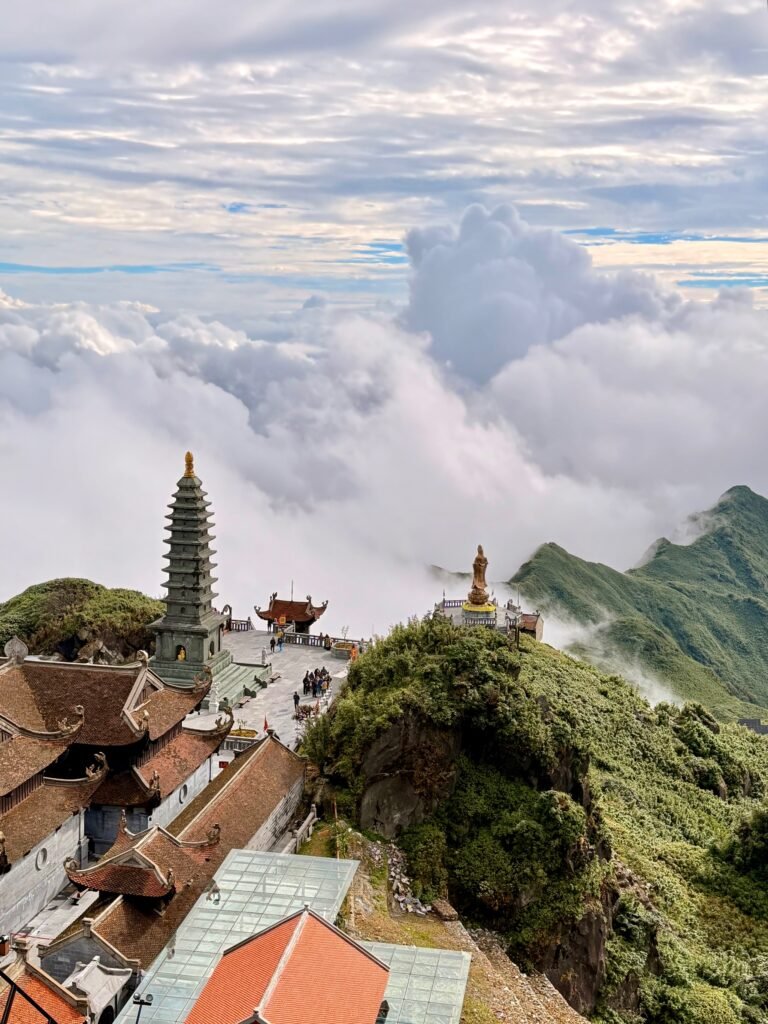
If there’s one thing we’d recommend prioritising in Sapa, it’s a trip up Fansipan Mountain. This was by far our favourite thing we did during our time in Sapa, and honestly, the views alone made it worth every minute!
Known as the highest mountain in Vietnam and often called the Roof of Indochina, Fansipan reaches an impressive 3,143 metres above sea level. You can hike to the summit if you’re feeling particularly adventurous, but we opted for the much easier cable car journey, which takes you high above the mountains and offers some absolutely breathtaking views along the way.
And when we say breathtaking, we mean it quite literally! Although that might have had something to do with the altitude sickness rather than just the scenery!
Once you reach the top, you’ll find incredible panoramic views across the surrounding mountains and valleys. There are also temples, impressive statues and plenty of spots to stop and take photos. We could have spent hours just soaking up the scenery.
Our biggest tip is to get there as early as possible. Not only will you have a better chance of beating the crowds, but the weather can make a huge difference to the experience. Clouds often roll in during the afternoon, covering the mountain views and making visibility much poorer. We would definitely recommend taking one of the first cable cars if you can.
How to Get to Fansipan Mountain
The easiest way to reach the summit is using the Fansipan cable car, operated by Sun World Fansipan Legend. The lower cable car station is just outside Sapa town centre, and you can reach it by taxi or by taking the Muong Hoa mountain railway from Sun Plaza in town.
The cable car journey itself takes approximately 15 minutes each way, travelling over the spectacular Hoang Lien Son mountain range. Once you reach the upper station, you’ll still need to make your way to the actual summit.
You can either tackle the final climb on foot, which involves around 600 steps, or pay extra for the summit funicular if you’d rather save your energy. The walk is worth considering if you’re comfortable with stairs, but remember that you’re already at a pretty high altitude!
Fansipan Cable Car Opening Times
Opening times vary depending on the day of the week, so it’s worth checking the schedule before setting off. Following the September 2026 maintenance period, the published operating hours are:
- Monday to Thursday: 8:00 am – 2:30 pm (last return cable car at 4:00 pm).
- Friday: 8:00 am – 3:30 pm (last return at 5:00 pm).
- Saturday: 7:30 am – 3:30 pm (last return at 5:00 pm).
- Sunday: 7:30 am – 2:30 pm (last return at 4:00 pm).
These are the published cable car operating times, rather than general opening hours for every attraction on the mountain. They can also change depending on weather conditions, so check the official Sun World website before visiting.
How Much Does the Fansipan Cable Car Cost?
Fansipan isn’t the cheapest attraction in Sapa, but we’d say it’s absolutely worth including in your budget.
For 2026, the published adult return cable car ticket price is approximately 850,000 VND per person (around £25, depending on the exchange rate). Children’s tickets for those between 1 metre and under 1.4 metres are around 550,000 VND, while children under 1 metre travel free.
There are a few additional costs to consider if you want to make the journey easier:
- Muong Hoa mountain railway (return): approximately 200,000 VND per person.
- Summit funicular (return): approximately 320,000 VND per person.
- Summit area entrance fee: 10,000 VND for adults.
You don’t have to pay for either of the additional train journeys, as you can walk between the stations instead. We’d recommend checking the latest ticket combinations before purchasing, as prices and offers can change.
How Long Do You Need to Visit Fansipan?
We’d recommend allowing at least half a day for your visit to Fansipan. Although the cable car journey only takes around 15 minutes each way, you’ll want plenty of time to explore the temples, enjoy the views and make your way up to the summit.
If you’re planning to walk the final steps rather than take the summit funicular, allow extra time, particularly if you’re not used to exercising at altitude. We wouldn’t recommend rushing the experience.
If you can, head up first thing in the morning and give yourself around 3–4 hours to enjoy everything at the top without feeling hurried.


Visit Cat Cat Village
Visiting Cat Cat Village is one of the easiest ways to experience the traditional villages and beautiful countryside surrounding Sapa. Located just a short distance from the town centre, it’s a popular stop for visitors wanting to see traditional Hmong houses, rice terraces and some lovely mountain scenery.
Cat Cat is home to the Black Hmong ethnic minority, and as you wander through the village, you’ll come across traditional wooden houses, small craft workshops and locals demonstrating traditional weaving and embroidery techniques. There are also plenty of little shops selling handmade souvenirs, textiles and other local products.
One of the highlights is following the stone pathways down through the valley towards Tien Sa Waterfall. Along the way, you’ll pass wooden waterwheels, little streams and some really pretty viewpoints. The waterfall itself is a lovely spot to stop for photographs, and there’s a traditional-looking bridge nearby that makes for a particularly nice photo opportunity.
You’ll also find cultural performances taking place inside the village, showcasing traditional music and dancing. These are quite geared towards tourists, but they can still be an interesting introduction to some of the local traditions.
It’s worth mentioning that Cat Cat Village is quite touristy. You’ll find plenty of souvenir stalls, photo opportunities and places designed specifically for visitors. If you’re expecting a completely untouched traditional village, you might be a little disappointed. However, we still think it’s worth visiting for the scenery and the opportunity to learn a little more about the local culture.
How to Get to Cat Cat Village
One of the best things about Cat Cat Village is how easy it is to reach from Sapa town. It’s located approximately 2–3 km from the centre, so you don’t necessarily need to organise a tour or pay for transport.
You can walk from Sapa town in around 30–45 minutes. The route is mostly downhill, and you’ll get some lovely views along the way. Just remember that you’ll have to make the uphill journey back afterwards!
Alternatively, you can take a taxi or motorbike taxi if you’d rather save your energy. A motorbike taxi generally costs around 30,000–50,000 VND each way, although it’s worth agreeing on the price beforehand.
We’d recommend visiting independently rather than booking an organised tour, as the village is easy enough to explore at your own pace.
Cat Cat Village Opening Hours
Cat Cat Village is generally open daily from around 7:00 am until 6:00 pm. Some listings give an earlier opening time of 6:00–6:30 am, so it’s worth checking locally if you’re planning an especially early visit.
We’d suggest arriving in the morning if possible. Cat Cat is one of Sapa’s busiest attractions, and visiting earlier gives you a better chance of enjoying the pathways and viewpoints before the larger tour groups arrive.
How Much Does Cat Cat Village Cost?
You’ll need to purchase an entrance ticket to explore Cat Cat Village. As of 2026, the adult entrance fee is approximately 150,000 VND per person (around £4–£5, depending on the exchange rate).
Children’s tickets are cheaper, generally around 70,000–90,000 VND depending on their height and the current ticket policy.
A few additional costs to keep in mind include:
- Traditional clothing rental: approximately 100,000–150,000 VND.
- Motorbike taxi back up the hill: approximately 50,000 VND.
- Souvenirs and refreshments: extra, depending on what you choose to buy.
We’d recommend carrying some Vietnamese dong in cash, as smaller stalls and local services may not accept cards.
How Long Do You Need at Cat Cat Village?
We’d recommend allowing around 2–3 hours to explore Cat Cat Village properly. This gives you enough time to wander through the traditional houses, browse the craft stalls, stop at the waterfall and enjoy the scenery without rushing.
Bear in mind that the village route involves quite a lot of stone steps. The walk down into the valley is relatively straightforward, but getting back up can be tiring, particularly in the heat.
If you don’t fancy the uphill climb, you can usually find motorbike taxis offering rides back towards the entrance for an additional fee.
Our Tips for Visiting Cat Cat Village
- Arrive early to avoid the busiest tour groups.
- Wear comfortable shoes with good grip, as the stone pathways can be slippery after rain.
- Take some cash for entrance tickets, souvenirs and refreshments.
- Don’t underestimate the uphill walk back out of the village.
- Take your time exploring the smaller pathways rather than rushing straight to the waterfall.
- Be respectful when photographing local residents, particularly when visiting homes and craft workshops.
Overall, Cat Cat Village is an easy and enjoyable addition to a Sapa itinerary. Although it’s more tourist-oriented than some of the villages further out in the valley, the scenery makes it a worthwhile stop, especially if you don’t have time for a longer trek.
Wander Around Sapa Town
While most people visit Sapa for its incredible mountain scenery, rice terraces and traditional villages, we’d definitely recommend setting aside some time to explore Sapa town itself. It’s a lovely place to wander around, especially if you fancy a slower day between trekking and bigger excursions.
Sapa has quite a different feel from the rest of the surrounding countryside. You’ll find busy streets lined with restaurants, cafés, souvenir shops and hotels, all surrounded by the mountains. The weather can change quickly too, so don’t be surprised if you find yourself wandering through sunshine one minute and thick mountain mist the next!
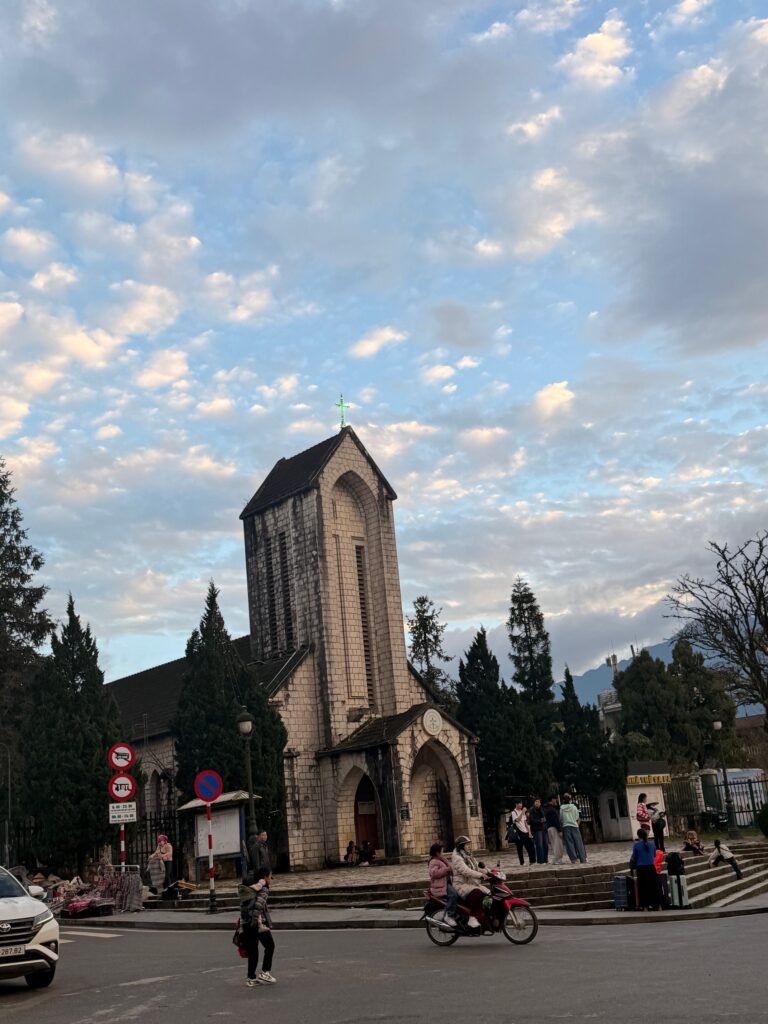
One of the first places I’d recommend visiting is Sapa Stone Church, one of the town’s most recognisable landmarks. Built during the French colonial period, this old stone church sits right in the centre of town and is surrounded by a large open square. It’s a lovely spot to stop for a few photos and take in the atmosphere.
Just opposite the church, you’ll find Sun Plaza, the rather grand-looking yellow and green building with its distinctive clock tower. It almost looks like something you’d find in Europe rather than a mountain town in northern Vietnam! It’s also where you’ll find the station for the Muong Hoa mountain railway, which takes visitors towards the Fansipan cable car.
We’d also recommend taking a leisurely walk around Sapa Lake. It’s a peaceful little spot away from some of the busier streets, and a nice place to enjoy a coffee or simply take a break from exploring. If the weather is clear, it’s also a lovely area for photographs.
If you’re visiting over the weekend, try to spend some time around the central square in the evening. This is when the town tends to come alive, with street food stalls, local performances and plenty of people out enjoying the atmosphere. You might also come across the traditional music and dancing associated with Sapa’s weekend Love Market events.
Of course, wandering around Sapa town isn’t going to be the highlight of your entire trip in the same way as visiting Fansipan or exploring the rice terraces. However, it’s an easy way to get a feel for the town, enjoy some local food and see a different side of Sapa.
What to See in Sapa Town
If you’re exploring independently, these are the main places we’d include on a wander around town:
- Sapa Stone Church: The town’s famous stone church and one of its most recognisable landmarks.
- Sapa Square: The central gathering place, particularly lively during weekends and evenings.
- Sun Plaza: A striking building with a European-inspired design and clock tower.
- Sapa Lake: A peaceful place for a stroll, particularly if you fancy a break from the busy streets.
- Sapa Market: A good place to browse local produce, clothing, souvenirs and traditional handicrafts.
- Local cafés: Sapa has plenty of cosy cafés where you can enjoy Vietnamese coffee while taking in the mountain atmosphere.
How Much Does It Cost to Explore Sapa Town?
One of the best things about wandering around Sapa town is that most of its main attractions are completely free.
You don’t need to pay an entrance fee to visit the central square, admire the Stone Church from outside, explore the streets or walk around Sapa Lake. This makes it a great option if you’re travelling on a backpacker’s budget.
Of course, you’ll probably end up spending a little money along the way. A Vietnamese coffee might cost around 30,000–50,000 VND, while street food and local snacks are generally very affordable.
How Long Do You Need to Explore Sapa Town?
We’d recommend allowing around 2–3 hours to wander around Sapa town, although you could easily spend longer if you stop for food, coffee or a bit of shopping.
The main attractions are all relatively close together, so you can comfortably explore them on foot without organising transport.
We’d suggest doing this on your arrival afternoon or saving it for an easier day between some of Sapa’s bigger attractions. It’s also a lovely way to spend an evening after a busy day exploring the surrounding mountains.

Trek Through Sapa’s Famous Rice Terraces
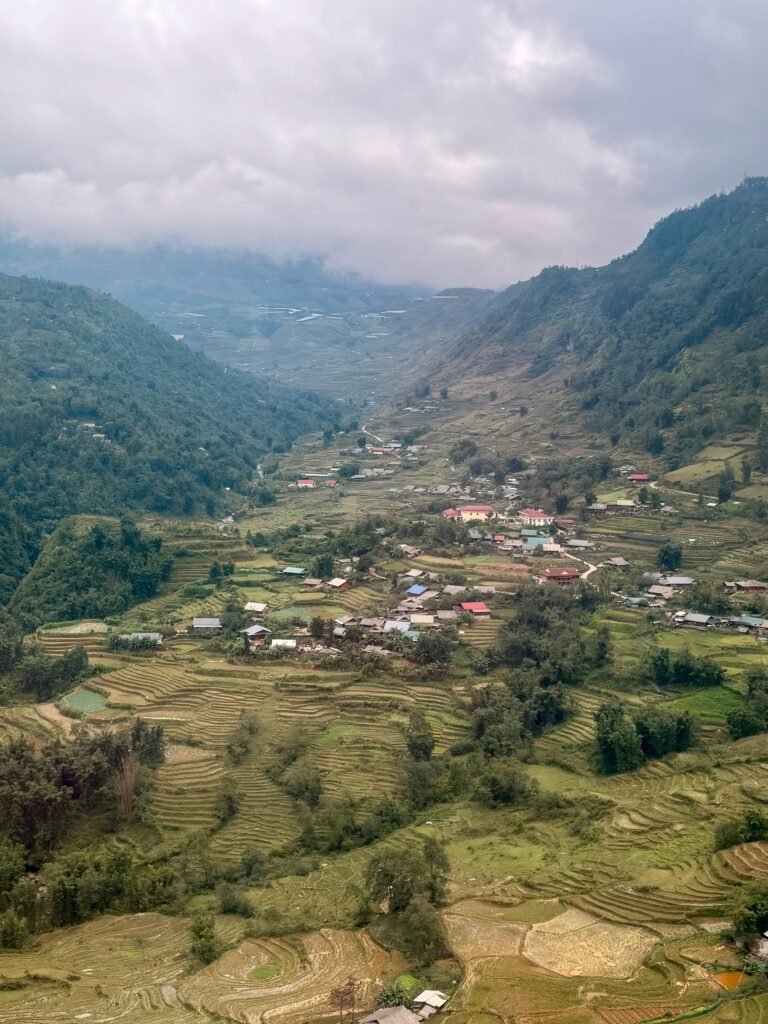
If there’s one experience that really captures what makes Sapa so special, it’s trekking through its famous rice terraces. The surrounding countryside is absolutely stunning, with layers of green (or golden, depending on when you visit) rice fields cascading down the mountainsides. It’s a completely different experience from exploring Sapa town and one of the main reasons so many people make the journey to northern Vietnam.
There are several trekking routes to choose from, ranging from relatively easy village walks to full-day hikes through the surrounding valleys. One of the most popular options is trekking through Muong Hoa Valley, where you’ll pass through traditional villages, walk alongside rice paddies and get a much closer look at rural life in this part of Vietnam.
The classic route takes you through Y Linh Ho, Lao Chai and Ta Van, three villages surrounded by some of Sapa’s most beautiful scenery. Along the way, you’ll encounter local communities, traditional wooden houses, water buffalo grazing in the fields and plenty of opportunities to stop for photographs.
We’d recommend choosing a trek that includes a local guide if you can. Not only does this make navigating the smaller pathways much easier, but it also gives you the opportunity to learn more about the Hmong, Giay and other ethnic communities who call this area home. Many local guides come from the surrounding villages themselves, so it’s also a great way to support the local economy.
The Best Rice Terrace Trekking Routes in Sapa
There are plenty of routes to choose from, but these are some of the most popular options depending on how much time you have and how challenging you want your trek to be.
- Lao Chai to Ta Van: One of the most popular routes, taking you through Muong Hoa Valley and past beautiful rice terraces. Allow around 3–5 hours depending on your pace and starting point.
- Y Linh Ho to Lao Chai to Ta Van: A longer route covering more of the valley, with incredible mountain and rice terrace views. Expect around 5–7 hours of walking.
- Cat Cat Village: A shorter and easier option close to Sapa town. You can explore the village, waterfalls and surrounding countryside in around 2–3 hours.
- Ta Phin Village: A lovely option if you’re interested in local culture, particularly the traditions of the Red Dao community. You can visit independently or include it in a guided trekking experience.
If you’re only planning one proper trekking day in Sapa, we’d recommend looking at the Muong Hoa Valley route through Lao Chai and Ta Van.
Do You Need a Guide to Trek in Sapa?
You don’t necessarily need a guide for every trek in Sapa. Shorter routes around Cat Cat Village and some of the main valley pathways can be explored independently.
However, we’d recommend hiring a local guide for longer treks, particularly if you’re unfamiliar with the area. Some of the smaller paths aren’t always clearly marked, and they can become incredibly muddy and slippery after rainfall.
A local guide can also share more about the different ethnic communities, their traditions and everyday life in the villages. We’d say this cultural experience is just as valuable as the scenery itself.
As a rough guide for budgeting, expect to pay around 500,000–700,000 VND for a private local guide for the day, although prices vary depending on the route, group size and what’s included. Organised group treks are another option and can sometimes work out cheaper.
How Much Does Trekking in Sapa Cost?
The cost depends on whether you choose to explore independently or book an organised experience.
As a rough guide, we’d budget for:
- Private local trekking guide: 500,000–700,000 VND per day.
- Group trekking tour: approximately 400,000–750,000 VND per person.
- Food and drinks: extra unless included in your tour.
- Overnight homestay trek: additional accommodation and meal costs.
Some villages and trekking areas also charge small entrance or visitor fees. These aren’t always included in tour prices, so check what’s covered before booking.
When Is the Best Time to See Sapa’s Rice Terraces?
Timing makes a huge difference to what the rice terraces look like, so it’s worth considering when you’re planning your visit.
If you want to see the famous golden rice fields, September to early October is generally the best time to visit. This is when the rice is ripening and the mountainsides turn beautiful shades of gold just before harvest.
May and June are also particularly beautiful, as the terraces are flooded with water ready for planting. They almost look like giant mirrors reflecting the surrounding mountains and sky.
During July and August, the terraces are usually a vibrant green, although this is also one of the wetter periods of the year. March to May is another lovely time for trekking, with milder temperatures and fresh green landscapes.
How Long Do You Need for Trekking in Sapa?
We’d recommend setting aside at least one full day for trekking if you want to properly explore the surrounding countryside.
A shorter village walk can take just 2–3 hours, while the classic Lao Chai to Ta Van route generally takes around 3–5 hours. If you want to cover more ground, the longer Y Linh Ho to Lao Chai to Ta Van route can take 5–7 hours.
If you have more time, you could even consider an overnight trekking experience. These usually involve spending the night in a local homestay, giving you more time to explore the villages and experience everyday life outside Sapa town.
What to Wear and Pack for Trekking in Sapa
One thing worth remembering is that Sapa’s trekking paths aren’t always the easy countryside walks you might imagine. Some sections involve steep descents, uneven ground and muddy tracks, particularly after rain.
We’d recommend bringing:
- Comfortable walking shoes or hiking boots with good grip.
- A lightweight waterproof jacket.
- A small backpack for water, snacks and essentials.
- Sunscreen and a hat for sunny days.
- A warm layer, as temperatures can change quickly in the mountains.
- Some Vietnamese dong in cash for refreshments and any village purchases.
Most importantly, don’t underestimate the weather. Even if it’s sunny when you leave Sapa town, conditions can be quite different once you’re down in the valleys.
Relax at a Traditional Herbal Bath
After spending your days trekking through rice terraces, climbing mountain steps and exploring the villages around Sapa, there’s no better way to unwind than with a traditional herbal bath.
This is a particularly lovely experience if you want to try something a little different during your visit. The baths are closely associated with the Red Dao ethnic community, who have been using traditional herbal remedies for generations.
The baths are prepared using a mixture of locally gathered forest herbs, roots, leaves and bark. These are boiled together to create a fragrant herbal infusion, which is then poured into large wooden bathing tubs. The tubs are usually made from timber and have a distinctive round shape, making the whole experience feel quite different from a typical spa treatment.
The water is kept warm, allowing you to soak and relax while enjoying the herbal aromas. It’s traditionally believed that the herbal ingredients can help soothe tired muscles, ease aches and improve circulation. Whether or not you notice any of these benefits, it’s certainly a relaxing way to spend an afternoon!
You’ll find traditional herbal baths at several spas and homestays around Sapa, particularly in areas associated with the Red Dao community, such as Ta Phin Village. Some establishments offer herbal baths on their own, while others combine them with massages or other treatments.
We’d recommend looking for a locally run establishment if you want a more authentic experience and an opportunity to support the community behind this traditional practice.
How Much Does a Traditional Herbal Bath Cost in Sapa?
Prices vary depending on where you go and whether you choose to add any extra treatments.
As a general guide, expect to pay around 100,000–300,000 VND per person for a traditional herbal bath. More upmarket spas or packages combining a bath with a massage will naturally cost more.
It’s worth checking whether the price includes the herbal ingredients, towels and any additional facilities before booking.
How Long Does a Herbal Bath Take?
Most traditional herbal baths last around 20–30 minutes, although you can sometimes book longer sessions or combine your soak with a massage.
We’d recommend allowing around an hour if you want to enjoy the experience without rushing, particularly if you’re adding other treatments.
Where Can You Try a Traditional Herbal Bath in Sapa?
One of the best places to look is Ta Phin Village, which is well known for its Red Dao community and traditional herbal bathing practices.
You can also find herbal bath experiences in Sapa town itself, with several local spas and wellness centres offering the treatment.
If you’re already planning to visit Ta Phin, it’s worth combining the two experiences and spending some time learning about the local traditions behind the herbal remedies.
It’s a lovely way to slow down during your Sapa trip, particularly after a long day exploring the mountains.

Take in the Views at Moana Sapa
If you’ve spent any time looking at photos of Sapa online, there’s a good chance you’ve come across Moana Sapa. This popular viewpoint and photography spot has become one of the town’s most recognisable attractions, thanks to its collection of unusual installations set against a backdrop of mountains and rice terraces.
Located just outside Sapa town centre, Moana Sapa is essentially an outdoor photography park with several themed viewpoints and plenty of Instagram-worthy photo opportunities. It’s not exactly a traditional cultural attraction, but if you enjoy taking photos and want some beautiful mountain scenery, it’s a fun place to add to your itinerary.
There are several different installations dotted around the grounds, including a giant golden hand, a Bali-style gate, a wooden swing and a replica infinity pool overlooking the mountains. One of the most popular spots is the giant stone hand reaching out towards the valley, which makes for a pretty impressive photo when the weather is clear.
The main attraction, though, is the scenery. On a good day, you’ll get lovely views across the surrounding mountains and valleys, with Mount Fansipan visible in the distance. It’s particularly beautiful when the skies are clear, although Sapa’s unpredictable mountain weather means there’s never a guarantee!
We’d recommend visiting earlier in the morning if possible. You’ll generally have a better chance of enjoying the viewpoints before the crowds arrive, and the mountain scenery is often clearer before the afternoon mist and clouds roll in.
How to Get to Moana Sapa
Moana Sapa is conveniently located around 1 km from Sapa town centre, making it an easy attraction to reach.
You can walk there from the central square in approximately 15–20 minutes, although the route does involve some uphill sections. Alternatively, a short taxi or motorbike taxi ride will get you there in just a few minutes.
There’s no need to book an organised tour, as it’s very easy to visit independently.
How Much Does Moana Sapa Cost?
Moana Sapa is a paid attraction, with entrance tickets generally costing around 80,000–100,000 VND per person.
Ticket prices and inclusions can change, so it’s worth checking the latest rate before visiting. Some packages may also include additional services or photo opportunities.
How Long Do You Need at Moana Sapa?
We’d recommend allowing around 1–2 hours to explore Moana Sapa.
This should give you plenty of time to visit the different installations, take photographs and enjoy the mountain views without feeling rushed.
If you’re particularly keen on photography, you might want to allow a little longer, especially if you’re visiting when it’s busy.
Is Moana Sapa Worth Visiting?
This really depends on what you’re looking for from your time in Sapa.
If you’re more interested in traditional villages, trekking and local culture, Moana Sapa probably won’t be at the top of your list. However, if you enjoy photography, unusual viewpoints and a few fun holiday snaps, it’s a nice little attraction to include.
We’d probably prioritise Fansipan Mountain and exploring the rice terraces first, but Moana Sapa is an easy addition if you have some spare time.
Visit the Beautiful Silver Waterfall
If you’re looking to escape Sapa town for a little while and enjoy some more of the surrounding mountain scenery, Silver Waterfall (Thac Bac) is well worth adding to your itinerary.
Located around 12 km outside Sapa, this impressive waterfall is one of the most popular natural attractions in the area. Surrounded by lush green mountains and forest, the water tumbles down from a height of approximately 200 metres, creating a beautiful white cascade that gives the waterfall its name.
One of the things we love about attractions like this is that you don’t need to spend hours hiking to enjoy them. Silver Waterfall is easily accessible from the main road, making it a relatively straightforward stop if you’re exploring the countryside around Sapa.
Once you arrive, there’s a short pathway with steps and viewing platforms that take you closer to the waterfall. You can admire the cascading water from different angles, cross the small bridge and enjoy the views of the surrounding valley. It’s particularly impressive during the wetter months when there’s plenty of water flowing down the mountainside.
The waterfall is also a popular stop for people travelling along the road towards O Quy Ho Pass and Heaven’s Gate, so we’d recommend combining the two if you’re planning to explore this part of Sapa.
How to Get to Silver Waterfall
Silver Waterfall is located approximately 12 km from Sapa town along the main road towards Lai Chau.
The easiest way to visit is by motorbike, taxi or private car. The journey generally takes around 20–30 minutes, depending on traffic and road conditions.
If you’re comfortable riding a motorbike, hiring one gives you the flexibility to explore several attractions along the same route. However, the mountain roads can be steep, winding and sometimes slippery, so only ride if you’re confident and experienced.
You can also book a private driver or join a countryside sightseeing tour that includes Silver Waterfall, Love Waterfall and Heaven’s Gate.
How Much Does Silver Waterfall Cost?
Silver Waterfall is one of the more affordable attractions around Sapa.
The entrance fee is generally around 20,000 VND per person (less than £1), although prices can change.
There may also be a small parking fee if you’re arriving by motorbike.
Silver Waterfall Opening Hours
Silver Waterfall is generally open daily, with commonly published visiting hours of around 7:30 am to 5:30 pm.
We’d recommend visiting during daylight hours, particularly if you’re exploring independently and travelling along the mountain roads.
How Long Do You Need at Silver Waterfall?
You don’t need a huge amount of time to visit Silver Waterfall. We’d recommend allowing around 30–60 minutes to explore the viewing platforms, take photographs and enjoy the scenery.
The walk up involves a number of steps, but it’s relatively short and manageable for most visitors. You can take your time along the way, stopping at the different viewpoints to admire the waterfall.
When Is the Best Time to Visit Silver Waterfall?
The waterfall is particularly impressive during and shortly after the rainy season, when there’s plenty of water flowing down the mountainside.
However, heavy rainfall can make the surrounding paths slippery and conditions less comfortable for exploring.
If you’re visiting Sapa during the drier months, Silver Waterfall is still worth seeing, although the flow may be less dramatic.
We’d suggest visiting in the morning or combining it with other attractions along the same route for a lovely half-day exploring the countryside.
Overall, Silver Waterfall is an easy and inexpensive addition to a Sapa itinerary. It might not require a huge amount of time, but the scenery makes it a worthwhile stop, particularly if you’re already heading towards Heaven’s Gate.
Our Top Tips for Visiting Sapa, Vietnam
Sapa is one of those places where a little planning can make a big difference to your experience. Between the unpredictable mountain weather, winding roads and all the different villages and attractions to explore, there are a few things we’d recommend keeping in mind before you visit.
Here are our top tips for making the most of your time in Sapa.
1. Get Up Early to Make the Most of the Views
If there’s one thing we’d recommend, it’s getting up early! Sapa is famous for its incredible mountain scenery, but the weather can be unpredictable. Clouds and mist often roll in during the afternoon, covering the surrounding mountains and rice terraces.
We’d particularly recommend getting an early start if you’re visiting Fansipan or heading out to one of the main viewpoints. Clear morning skies can make all the difference.
2. Don’t Underestimate the Weather
Despite being in Vietnam, Sapa can get surprisingly cold, particularly during the winter months and at higher elevations. Temperatures can also change quickly throughout the day.
Pack layers rather than relying on summer clothing. We’d also bring a lightweight waterproof jacket, as rain showers can arrive unexpectedly.
3. Bring Proper Footwear for Trekking
You don’t necessarily need specialist hiking equipment for every walk in Sapa, but comfortable shoes with good grip are essential.
Many of the trekking routes pass through muddy paths, uneven terrain and steep sections. This is especially true after rainfall, when some of the trails can become incredibly slippery.
If you’re planning to explore Muong Hoa Valley or visit the surrounding villages, we’d definitely prioritise practical footwear over fashionable trainers.
4. Visit During Rice Harvest Season
If seeing Sapa’s famous golden rice terraces is high on your list, try to plan your visit for September or early October.
This is generally when the rice fields turn beautiful shades of gold just before harvest. May and June are also lovely, when the flooded terraces reflect the surrounding mountains.
Of course, Sapa is beautiful throughout the year, but the scenery changes quite dramatically depending on when you visit.
5. Allow Enough Time to Explore Beyond Sapa Town
It’s tempting to base yourself in Sapa town and spend most of your time exploring the main attractions, but we’d recommend getting out into the surrounding countryside.
Some of the most beautiful scenery is found in the smaller villages and valleys outside town. Places like Lao Chai, Ta Van and Ta Phin offer a completely different experience and are well worth exploring.
If your schedule allows, set aside at least one full day for trekking or visiting the surrounding villages.
6. Don’t Feel You Need to Book Every Activity in Advance
Some of Sapa’s biggest attractions, particularly Fansipan Mountain, can get busy, so booking certain tickets ahead of time can be useful.
However, you don’t need to organise every part of your trip before arriving. Many local guides, trekking experiences and countryside excursions can be arranged once you’re in Sapa.
We generally prefer having a little flexibility when travelling, and Sapa is a great place to leave some room for spontaneous plans, particularly when the weather plays such a big part in what you can see.
7. Be Prepared for Hilly Roads and Walking
Sapa is built into the mountains, so don’t expect everything to be flat and easy to navigate.
Even a simple walk around town can involve some fairly steep hills, while the routes down to the surrounding villages often include long staircases and uneven pathways.
If you’re hiring a motorbike, remember that the roads around Sapa can be steep, winding and challenging. Only ride if you’re confident and experienced.
8. Carry Some Vietnamese Dong
Although larger hotels and restaurants may accept cards, cash is still useful in Sapa.
You’ll want some Vietnamese dong for local markets, smaller restaurants, village shops, motorbike taxis and entrance fees. It’s also handy when buying snacks or refreshments during longer treks.
We’d recommend carrying smaller notes, as getting change for larger denominations isn’t always easy at smaller stalls.
9. Try the Local Food
Sapa has some really interesting regional dishes that are worth trying while you’re here.
Look out for thang co, a traditional Hmong stew, grilled meats, salmon hotpot and local mountain vegetables. The cooler mountain weather also makes Sapa a lovely place to enjoy a warming hotpot after a day outdoors.
Don’t just stick to the familiar Vietnamese dishes you can find everywhere else. Trying some of the local specialities is part of the experience!
10. Be Respectful When Visiting Local Villages
Visiting the traditional villages around Sapa is a wonderful opportunity to learn about the different ethnic communities who live in the region.
However, it’s important to remember that these are people’s homes, not simply tourist attractions. Always ask permission before taking photographs of local residents, be respectful when visiting homes and avoid treating traditional clothing or cultural practices as photo props without permission.
We’d also recommend supporting locally run homestays, guides and businesses where possible.
11. Don’t Try to Cram Too Much Into One Day
There are plenty of things to do in Sapa, but the mountain roads can make travelling between attractions slower than you might expect.
Rather than trying to squeeze Fansipan, several waterfalls, multiple villages and a long trek into one day, spread everything out where possible.
We’d much rather have time to enjoy the scenery and explore at our own pace than spend the entire day rushing between attractions.
12. Keep Your Plans Flexible
Finally, remember that Sapa’s weather can be unpredictable. Even if the forecast looks promising, low cloud and mist can appear quite suddenly.
If you’re planning to visit Fansipan or enjoy some of the famous viewpoints, try to keep your schedule flexible so you can swap activities around depending on the weather.
A little flexibility could be the difference between seeing those incredible mountain views and spending the afternoon looking at a wall of cloud!
Our biggest piece of advice? Don’t just visit Sapa for the famous photo spots. Make time to explore the surrounding villages, try the local food and enjoy the incredible mountain scenery. Some of the best experiences come from slowing down and enjoying this beautiful part of northern Vietnam.
Frequently Asked Questions About Visiting Sapa, Vietnam
If you’re planning a trip to Sapa, you probably have a few questions about how long to stay, when to visit and what to expect. Here are some of the most common questions to help you plan your visit.
Is Sapa Worth Visiting?
Absolutely! Sapa is one of the most beautiful places to visit in northern Vietnam and offers a completely different experience from the country’s bigger cities. The dramatic mountain scenery, famous rice terraces, traditional villages and incredible trekking opportunities make it well worth adding to your Vietnam itinerary.
Whether you’re interested in hiking, photography, local culture or simply escaping the busy cities for a few days, there’s plenty to enjoy.
How Many Days Do You Need in Sapa?
We’d recommend spending 2–3 days in Sapa to experience the main attractions without feeling rushed.
This gives you enough time to visit Fansipan Mountain, explore Sapa town, see some of the surrounding villages and enjoy at least one trek through the famous rice terraces.
If you’re particularly interested in hiking or want to visit some of the more remote villages, consider staying for 4–5 days.
What Is Sapa Famous For?
Sapa is best known for its spectacular rice terraces, dramatic mountain scenery and traditional ethnic minority villages.
It’s also home to Fansipan Mountain, the highest mountain in Vietnam, which attracts visitors looking to experience the incredible views from its summit.
Trekking, local markets, traditional handicrafts and the unique culture of the Hmong and Red Dao communities are also big parts of what makes Sapa special.
When Is the Best Time to Visit Sapa?
The best time to visit Sapa depends on what you want to experience.
September and early October are particularly popular for seeing the golden rice terraces just before harvest. May and June are also beautiful, when the flooded rice fields reflect the surrounding mountains.
March to May generally offers pleasant trekking conditions, while December to February can be very cold, with occasional frost and even snow.
Is Sapa Expensive to Visit?
Compared with some of Vietnam’s larger tourist destinations, Sapa can be relatively affordable, particularly if you’re travelling on a backpacker’s budget.
Accommodation, local food and public transport are generally reasonably priced. However, organised trekking experiences, private drivers and attractions such as the Fansipan cable car can increase your overall spending.
You can also enjoy plenty of the surrounding scenery for very little money, particularly if you enjoy independent exploring.
Can You Visit Sapa Without Trekking?
Yes! Although Sapa is famous for its trekking routes, you absolutely don’t need to be a keen hiker to enjoy visiting.
You can take the cable car to Fansipan Mountain, explore Sapa town, visit Cat Cat Village, see the waterfalls and enjoy the mountain viewpoints without committing to a long trek.
There are also plenty of cafés and restaurants where you can simply relax and take in the scenery.
How Do You Get From Hanoi to Sapa?
The easiest way to travel from Hanoi to Sapa is by overnight sleeper bus or limousine bus.
The journey generally takes around 5–6 hours, although this can vary depending on traffic and road conditions.
You can also travel by train from Hanoi to Lao Cai, which takes approximately 8 hours, followed by a further 45–60-minute road journey to Sapa.
Is Sapa Safe for Tourists?
Generally, yes. Sapa is a popular destination for international travellers, and most visits are trouble-free.
As with anywhere, it’s sensible to take normal precautions with your belongings and be careful when walking or riding motorbikes on the mountain roads.
If you’re trekking independently, stick to recognised routes and consider hiring a local guide for longer or more remote walks.
Do You Need a Guide to Trek in Sapa?
You don’t need a guide for every walking route, particularly shorter and more popular attractions such as Cat Cat Village.
However, we’d recommend hiring a local guide for longer treks through Muong Hoa Valley and the surrounding villages. They’ll help you navigate the trails and give you a much better understanding of the local communities and their traditions.
It’s also a great way to support local people who rely on tourism for their livelihoods.
Is Fansipan Mountain Worth Visiting?
Definitely! Fansipan was our favourite experience in Sapa and something we’d recommend making time for.
The cable car takes you high above the surrounding mountains, offering incredible views along the way. Once at the top, you can explore the temple complex and make your way to the summit at 3,143 metres.
Our biggest tip is to go early in the morning before the afternoon clouds roll in and obscure the views.
Can You Visit Sapa as a Day Trip From Hanoi?
Technically, yes, but we really wouldn’t recommend it.
The journey from Hanoi takes around 5–6 hours each way by road, meaning you’d spend most of your day travelling rather than enjoying Sapa.
We’d recommend staying for at least two nights so you have enough time to explore the town, visit Fansipan and experience the surrounding countryside.
Is Sapa Suitable for Backpackers?
Yes! Sapa is a great destination for backpackers, with plenty of budget guesthouses, hostels, affordable local restaurants and inexpensive ways to explore the surrounding countryside.
You can save money by travelling independently, using local transport and choosing shorter treks rather than booking expensive private tours.
There are also plenty of free or low-cost experiences, from wandering around Sapa town to enjoying the incredible mountain scenery.
Does It Snow in Sapa?
Yes, although snow is relatively uncommon. Sapa experiences much colder winters than many other parts of Vietnam, and temperatures can occasionally drop low enough for snowfall, particularly around Fansipan Mountain.
December to February is generally the coldest period, so pack plenty of warm layers if you’re visiting during winter.