
Gyeongju vs Jeonju: Which Korean City Should You Visit in 2026?
Trying to decide between Gyeongju vs Jeonju? Both cities are among South Korea’s most popular cultural destinations, offering a glimpse into the country’s rich history, traditional architecture, and incredible cuisine. While Gyeongju is often called “the museum without walls” thanks to its ancient temples, royal tombs, and UNESCO World Heritage Sites, Jeonju is famous for its beautifully preserved hanok village, vibrant food scene, and relaxed atmosphere.
So, which city should you visit? The answer depends on what kind of trip you’re planning. Whether you’re passionate about history, eager to sample authentic Korean food, travelling on a budget, or simply looking for the best cultural experience, this guide compares Gyeongju and Jeonju across attractions, transport, accommodation, costs, and more. By the end, you’ll know exactly which destination deserves a place on your South Korea itinerary in 2026.
Gyeongju vs Jeonju at a Glance
If you’re choosing between Gyeongju and Jeonju, it helps to know what each city is best known for. While both offer an authentic taste of Korean culture and history, they provide very different travel experiences.
Gyeongju is South Korea’s ancient capital and is often referred to as the country’s “museum without walls.” It’s the ideal destination for history lovers, with royal tombs, ancient temples, UNESCO World Heritage Sites, and archaeological treasures spread throughout the city. Visitors can spend days exploring historical landmarks such as Bulguksa Temple, Seokguram Grotto, Donggung Palace, and Wolji Pond.
Jeonju, on the other hand, is renowned for its traditional Korean charm and outstanding food scene. Home to the famous Jeonju Hanok Village, the city combines beautifully preserved traditional houses with trendy cafés, artisan shops, and some of the best local cuisine in South Korea. It’s a favourite destination for travellers looking to experience Korean culture at a slower pace.
Here’s a quick comparison:
| Feature | Gyeongju | Jeonju |
|---|---|---|
| Best for | Ancient history, UNESCO sites, temples | Traditional culture, food, hanok village |
| Atmosphere | Historic and peaceful | Lively, charming and foodie-friendly |
| Top Attraction | Bulguksa Temple & Seokguram Grotto | Jeonju Hanok Village |
| Famous Food | Hwangnam bread, Ssambap | Bibimbap, Choco Pie, Makgeolli |
| Ideal Trip Length | 2–3 days | 1–2 days |
| Easy Day Trip? | Better as an overnight stay | Possible from Seoul, but an overnight stay is recommended |
Ultimately, Gyeongju is the better choice for travellers interested in Korea’s ancient history and iconic landmarks, while Jeonju is perfect for food lovers, traditional architecture, and a more relaxed city break. If your itinerary allows, visiting both cities offers two very different but equally rewarding perspectives on South Korea.
Where Are Gyeongju and Jeonju?
Although Gyeongju and Jeonju are both located in South Korea, they sit in different regions and are known for very different landscapes and travel experiences.
Gyeongju is located in the southeastern part of the country in North Gyeongsang Province. It lies around 80 km north of Busan and is easily reached by high-speed KTX train or intercity bus from Seoul, Busan, and Daegu. Thanks to its proximity to Busan, Gyeongju is often included in a wider southeast Korea itinerary.
Jeonju is situated in the southwest of South Korea in North Jeolla Province. The city is approximately 200 km south of Seoul and is well connected by KTX, SRT, and express buses. Jeonju is one of the easiest cultural destinations to visit from the capital, making it a popular weekend getaway for both locals and international visitors.
If you’re exploring southern South Korea, Gyeongju pairs perfectly with Busan and Daegu. If you’re travelling from Seoul, Jeonju is generally the more convenient destination for a short trip. However, travellers with more time can easily include both cities on a longer itinerary to experience two of South Korea’s richest cultural destinations.
Top Attractions in Gyeongju
Known as the “museum without walls,” Gyeongju is packed with ancient landmarks, royal tombs, temples, and UNESCO World Heritage Sites. As the former capital of the Silla Kingdom for nearly 1,000 years, the city offers some of South Korea’s most important historical attractions.
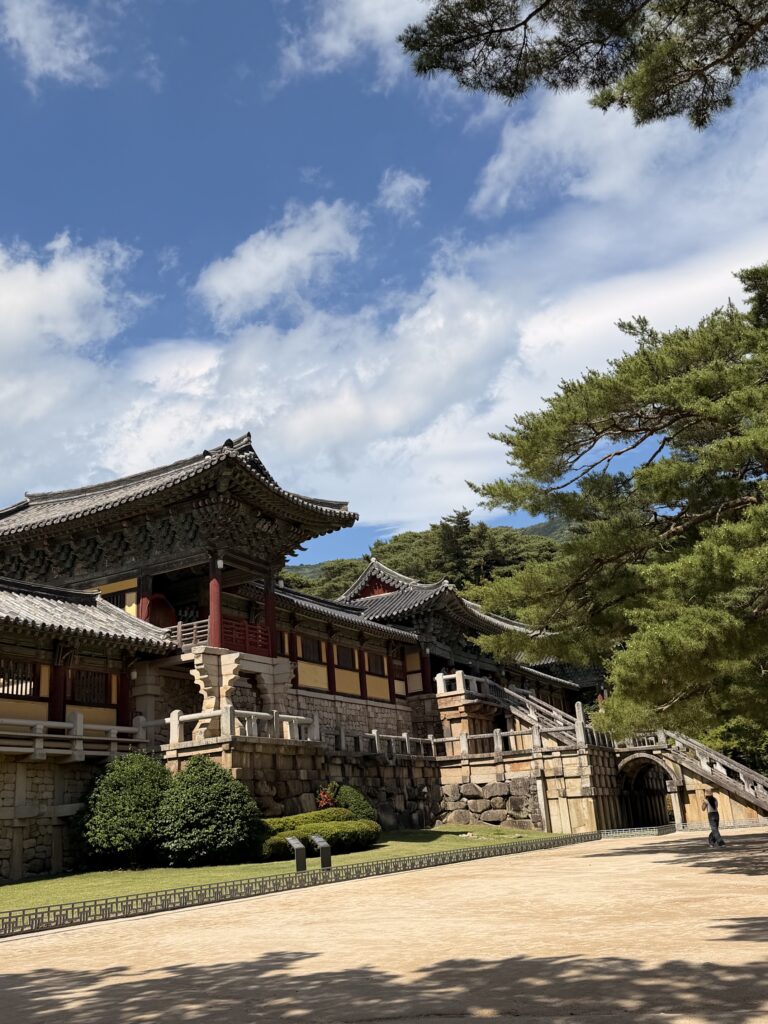
Bulguksa Temple
One of South Korea’s most famous Buddhist temples, Bulguksa Temple is a UNESCO World Heritage Site dating back to the 8th century. Visitors can admire its intricate stone bridges, traditional wooden halls, and peaceful mountain surroundings. It’s a must-visit for anyone interested in Korean history and architecture.
Seokguram Grotto
Located high on Mount Toham, Seokguram Grotto houses a magnificent stone Buddha overlooking the East Sea. This UNESCO-listed site is considered one of Korea’s greatest Buddhist masterpieces and offers breathtaking views along the journey to the grotto.
Donggung Palace and Wolji Pond
Originally built as a royal palace during the Silla Dynasty, Donggung Palace and Wolji Pond are particularly beautiful after sunset when the illuminated buildings reflect across the tranquil water. It’s one of Gyeongju’s most photographed attractions.
Daereungwon Tomb Complex
Explore enormous grassy burial mounds that contain the tombs of Silla kings and nobles. Don’t miss Cheonmachong Tomb, where visitors can enter a reconstructed royal tomb and view fascinating archaeological discoveries.
Cheomseongdae Observatory
Built during the 7th century, Cheomseongdae is the oldest surviving astronomical observatory in Asia. Although small in size, it remains one of Gyeongju’s most recognisable landmarks and is especially picturesque during spring flower season.
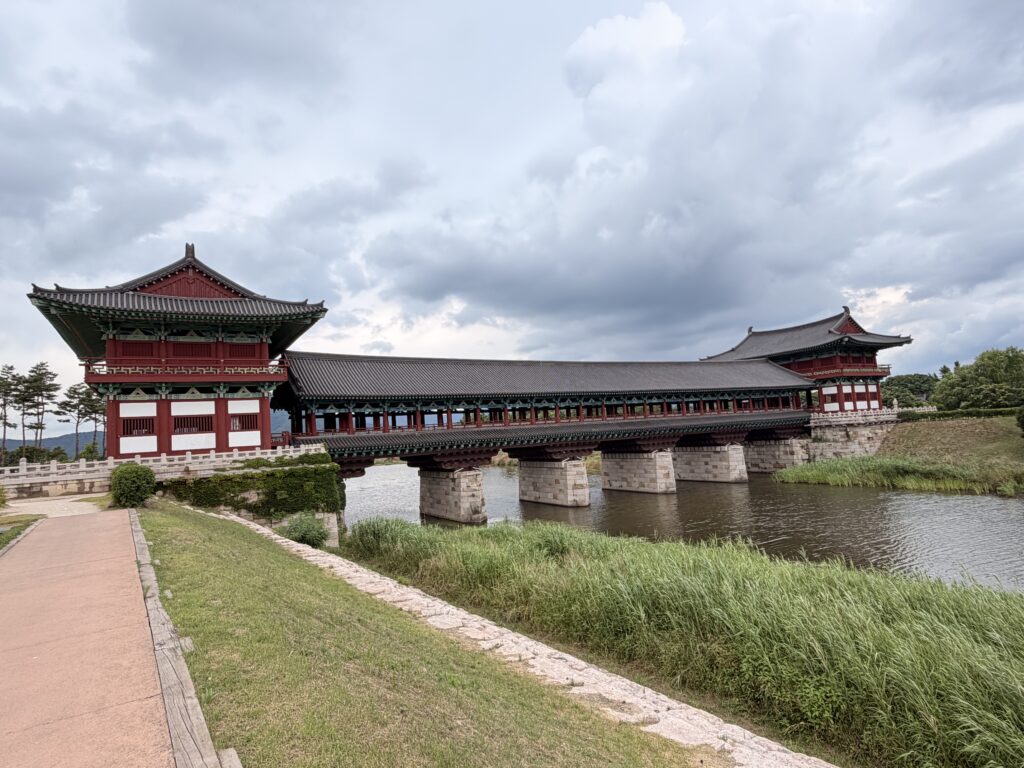
Woljeonggyo Bridge
This beautifully reconstructed wooden bridge spans the Namcheon River and is one of Gyeongju’s most iconic photo spots. Visit during the evening to see the bridge illuminated against the night sky.
Gyochon Traditional Village
Located close to many of the city’s historic sites, Gyochon Traditional Village offers a quieter alternative to busier attractions. Wander traditional hanok streets, try local Hwangnam bread, or take part in cultural experiences such as tea ceremonies and calligraphy.
Whether you’re fascinated by ancient history, Buddhist heritage, or scenic landscapes, Gyeongju offers enough world-class attractions to easily fill two or three days of sightseeing.
Top Attractions in Jeonju
Jeonju is one of South Korea’s most charming cities, celebrated for its traditional architecture, vibrant food culture, and relaxed atmosphere. While Gyeongju is famous for ancient historical sites, Jeonju offers a more immersive cultural experience where you can wander centuries-old streets, sample local delicacies, and experience everyday Korean traditions.
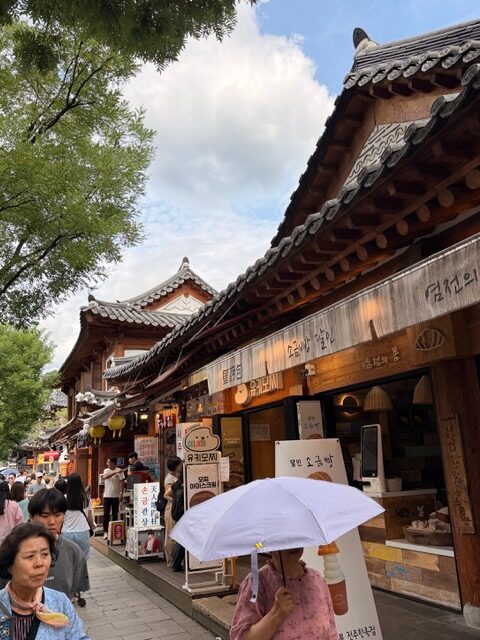
Jeonju Hanok Village
The city’s most famous attraction, Jeonju Hanok Village is home to more than 700 beautifully preserved traditional Korean houses (hanok). Spend time strolling the narrow lanes, browsing artisan shops, visiting museums, and stopping at cafés. Many visitors also rent a hanbok to explore the village and take memorable photos.
Gyeonggijeon Shrine
Located within Hanok Village, Gyeonggijeon Shrine was built in 1410 to house the portrait of King Taejo, the founder of the Joseon Dynasty. The peaceful grounds, traditional buildings, and bamboo forest make it one of Jeonju’s most important historical landmarks.
Jeondong Catholic Cathedral
Standing beside Hanok Village, Jeondong Catholic Cathedral is one of Korea’s oldest Roman Catholic churches. Its striking blend of Romanesque and Byzantine architecture makes it one of Jeonju’s most photographed buildings.
Omokdae Viewpoint
A short uphill walk leads to Omokdae Viewpoint, where you’ll be rewarded with panoramic views across the tiled rooftops of Jeonju Hanok Village. It’s especially beautiful at sunset when the city begins to glow.
Nambu Market
For an authentic local experience, head to Nambu Market. By day, you’ll find fresh produce, street food, and local specialities, while the popular night market offers even more opportunities to sample Jeonju’s famous cuisine and browse handmade crafts.
Jaman Mural Village
Just a few minutes from Hanok Village, Jaman Mural Village is filled with colourful street art, quirky cafés, and creative shops. It’s a fun place to explore if you’re looking for a quieter neighbourhood with plenty of photo opportunities.
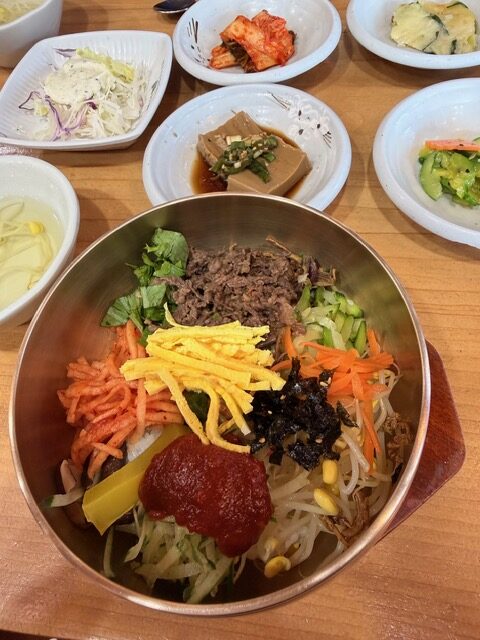
Jeonju Bibimbap Street
No visit to Jeonju is complete without tasting its signature dish. Jeonju Bibimbap Street is lined with restaurants serving the city’s famous bibimbap, widely regarded as one of the best versions in South Korea.
From exploring traditional hanok streets to sampling world-famous Korean cuisine, Jeonju’s attractions are less about ticking off landmarks and more about soaking up the city’s unique atmosphere. It’s an ideal destination for travellers who enjoy culture, food, photography, and slower-paced travel.
Best Places to Stay in Jeonju and Gyeongju
If you are planning a trip around South Korea, both Jeonju and Gyeongju are places where I would recommend staying overnight rather than simply visiting for the day. They have a completely different feel once the day-trippers leave, and staying overnight gives you more time to explore without rushing.
Where to Stay in Jeonju
For Jeonju, staying close to Jeonju Hanok Village is the easiest option. This is where you will find the traditional hanok houses, small streets, cafes and plenty of restaurants. It is also lovely in the evening when the streets become much quieter.
If you want to make the experience even more memorable, consider staying in a traditional hanok guesthouse. Sleeping on a traditional Korean-style floor mattress is definitely different from a standard hotel stay, but it is part of the experience.
For budget travellers, there are plenty of affordable guesthouses and hostels around Hanok Village. For something a little more comfortable, look for a hanok stay with a private room and ensuite bathroom. If you prefer modern hotels, there are also plenty of options just outside the historic area.
Where to stay in Jeonju:
- Budget: Browse budget stays in Jeonju on Booking.com
- Hanok stay: Browse hanok guesthouses in Jeonju
- Mid-range: Browse mid-range hotels in Jeonju
My tip: If your main reason for visiting Jeonju is the Hanok Village, I would stay within walking distance. It makes exploring the village early in the morning or after dinner much easier.
Where to Stay in Gyeongju
Gyeongju is a little more spread out than Jeonju, so choosing the right area is important. If you want to be close to the historic sights, look around Hwangnidan-gil and the city centre. This puts you within easy reach of restaurants, cafes and attractions such as Daereungwon Tomb Complex and Cheomseongdae.
For a more traditional experience, you can also look at hanok accommodation around Gyeongju. This is a great option if you want your accommodation to feel like part of the trip rather than simply somewhere to sleep.
There are also plenty of modern hotels and guesthouses in central Gyeongju, which can be a better choice if you prefer a comfortable room, air conditioning and modern facilities.
Where to stay in Gyeongju:
- Budget: Browse budget stays in Gyeongju on Booking.com
- Hanok stay: Browse traditional stays in Gyeongju
- Mid-range: Browse mid-range hotels in Gyeongju
My tip: I would prioritise location over having lots of hotel facilities in Gyeongju. You will probably spend most of your time out exploring the historic sites, so being somewhere central can make a big difference.
Which City Is Better for First-Time Visitors?
If you’re visiting South Korea for the first time, both Gyeongju and Jeonju deserve a place on your itinerary—but the better choice depends on your interests and how much time you have.
Choose Gyeongju if you’re fascinated by ancient history, temples, and UNESCO World Heritage Sites. As the former capital of the Silla Kingdom, the city is packed with iconic landmarks such as Bulguksa Temple, Seokguram Grotto, Donggung Palace and Wolji Pond, and the Daereungwon Tomb Complex. It’s an excellent destination for travellers who want to learn about Korea’s past and explore some of its most significant cultural treasures.
Choose Jeonju if you’re looking for a relaxed city break centred around traditional Korean culture and outstanding food. The charming Hanok Village, vibrant cafés, local markets, and famous bibimbap make it an ideal destination for travellers who enjoy wandering picturesque streets, sampling regional cuisine, and experiencing everyday Korean life.
Gyeongju is best for:
- History and archaeology enthusiasts
- UNESCO World Heritage Sites
- Temple visits and cultural sightseeing
- Travellers combining Busan and southeast Korea
- Two- or three-day itineraries
Jeonju is best for:
- Food lovers and café enthusiasts
- Traditional hanok architecture
- Photography and relaxed city breaks
- Weekend trips from Seoul
- Experiencing authentic Korean culture at a slower pace
The Verdict
For most first-time visitors to South Korea, Gyeongju has a slight edge thanks to its incredible historical significance and world-famous attractions. If you can only visit one city and want to experience Korea’s rich heritage, Gyeongju is the stronger choice.
However, if your priority is traditional streets, incredible local food, and a more laid-back atmosphere, Jeonju won’t disappoint. And if your itinerary allows, visiting both cities offers the perfect balance—Gyeongju showcases Korea’s ancient history, while Jeonju provides one of the country’s most authentic cultural and culinary experiences.
Can You Visit Both Gyeongju and Jeonju?
Absolutely! If you have 5–7 days to explore South Korea beyond Seoul, visiting both Gyeongju and Jeonju is highly recommended. Although the cities are located in different regions, they’re well connected by train and bus, making it easy to include both in the same itinerary.
A popular route is Seoul → Jeonju → Gyeongju → Busan (or the reverse). This itinerary lets you experience two very different sides of Korean culture—Jeonju’s traditional hanok village and renowned food scene, followed by Gyeongju’s ancient temples, royal tombs, and UNESCO World Heritage Sites. Many travellers then continue to Busan for beaches, markets, and coastal attractions.
Suggested Itinerary
- Day 1–2: Explore Jeonju Hanok Village, Gyeonggijeon Shrine, Nambu Market, and sample the city’s famous bibimbap.
- Day 3–5: Travel to Gyeongju to visit Bulguksa Temple, Seokguram Grotto, Donggung Palace and Wolji Pond, Daereungwon Tomb Complex, and Woljeonggyo Bridge.
- Day 6–7 (Optional): Continue to Busan for beaches, seafood markets, and scenic coastal walks.
While it’s possible to visit either city as a day trip, both deserve at least one or two nights to fully appreciate their unique character. Staying overnight also allows you to experience quieter mornings, evening illuminations, and the local dining scene after the day-trippers have left.
If your schedule only allows for one destination, choose Gyeongju for ancient history and iconic landmarks, or Jeonju for traditional culture and exceptional food. But if you have the time, combining both cities will give you a richer and more complete experience of South Korea.
Final Verdict: Gyeongju or Jeonju?
Choosing between Gyeongju and Jeonju ultimately comes down to the type of experience you’re looking for. While both cities offer an authentic glimpse into South Korea’s rich heritage, they each have their own unique appeal.
If you’re passionate about history, ancient temples, royal tombs, and UNESCO World Heritage Sites, Gyeongju is the clear winner. As the former capital of the Silla Kingdom, it offers some of the country’s most important historical landmarks and is a must-visit for culture and history enthusiasts.
If your ideal trip revolves around traditional Korean architecture, incredible local cuisine, charming cafés, and a relaxed atmosphere, Jeonju is the better choice. Its famous Hanok Village and reputation as Korea’s food capital make it perfect for travellers seeking a slower-paced cultural escape.
Choose Gyeongju if you want:
- Ancient history and UNESCO World Heritage Sites
- Buddhist temples and archaeological landmarks
- Scenic parks, royal tombs, and cultural attractions
- A destination that pairs well with Busan
Choose Jeonju if you want:
- Korea’s best traditional food, including authentic bibimbap
- Beautiful hanok streets and cultural experiences
- Independent cafés, artisan shops, and local markets
- A relaxed weekend getaway from Seoul
For many travellers, the ideal solution is not choosing one over the other. If your itinerary allows, visiting both cities provides a deeper understanding of South Korea’s history, traditions, and regional culture. Gyeongju showcases the nation’s ancient past, while Jeonju offers one of its most vibrant culinary and cultural experiences.
No matter which destination you choose, you’ll discover welcoming locals, fascinating history, and unforgettable experiences that make both Gyeongju and Jeonju highlights of any South Korea itinerary.