
Gyeongju Travel Guide 2026: Best Things to Do & See
Known as the “museum without walls,” Gyeongju is one of South Korea’s most fascinating destinations. Once the capital of the ancient Silla Kingdom for nearly 1,000 years, the city is filled with UNESCO World Heritage Sites, centuries-old temples, royal tombs, and breathtaking cultural landmarks. Whether you’re a history lover, photographer, foodie, or simply looking to explore beyond Seoul and Busan, Gyeongju offers an unforgettable glimpse into Korea’s rich past.
In this guide, you’ll discover the very best things to do in Gyeongju, from visiting iconic attractions like Bulguksa Temple and Donggung Palace to exploring charming cafés, traditional hanok streets, and hidden gems. You’ll also find practical travel tips to help you plan the perfect day trip or weekend getaway.
Why Visit Gyeongju?
Often called “the museum without walls,” Gyeongju is one of South Korea’s most historic and culturally significant cities. As the ancient capital of the Silla Kingdom for nearly 1,000 years, it is home to an incredible collection of royal tombs, Buddhist temples, ancient palaces, and archaeological treasures. Many of the city’s most famous landmarks are recognised as UNESCO World Heritage Sites, making Gyeongju a must-visit destination for anyone interested in Korean history and culture.
Beyond its rich heritage, Gyeongju offers a slower pace of travel compared with Seoul or Busan. Visitors can stroll through traditional hanok-lined streets, relax in cosy cafés, cycle between historic sites, or enjoy peaceful lakes and mountain scenery. The city seamlessly blends ancient history with modern comforts, creating an atmosphere that’s both relaxing and inspiring.
Whether you’re planning a day trip from Busan or spending a few days exploring, Gyeongju has something for every traveller. From watching the sunset over Donggung Palace and Wolji Pond to discovering centuries-old temples and sampling local delicacies like Hwangnam Bread, every corner of the city tells a story. If you’re looking to experience South Korea beyond its bustling cities, Gyeongju is one of the country’s most rewarding destinations.
We personally made it an overnight trip allowing us two full days to explore. This gave us time to see all of the things we wanted to see.
Best Things to Do in Gyeongju
From ancient temples and royal tombs to picturesque bridges and vibrant café streets, Gyeongju is packed with unforgettable attractions. Many of the city’s highlights are located close together, making it easy to explore on foot, by bike, or using local buses. Whether you’re interested in learning about Korea’s rich history, admiring UNESCO World Heritage Sites, or simply soaking up the city’s relaxed atmosphere, there’s no shortage of things to see and do.
The attractions below showcase the very best of Gyeongju, including iconic landmarks, cultural experiences, scenic viewpoints, and hidden gems that deserve a place on every travel itinerary.
Visit Bulguksa Temple
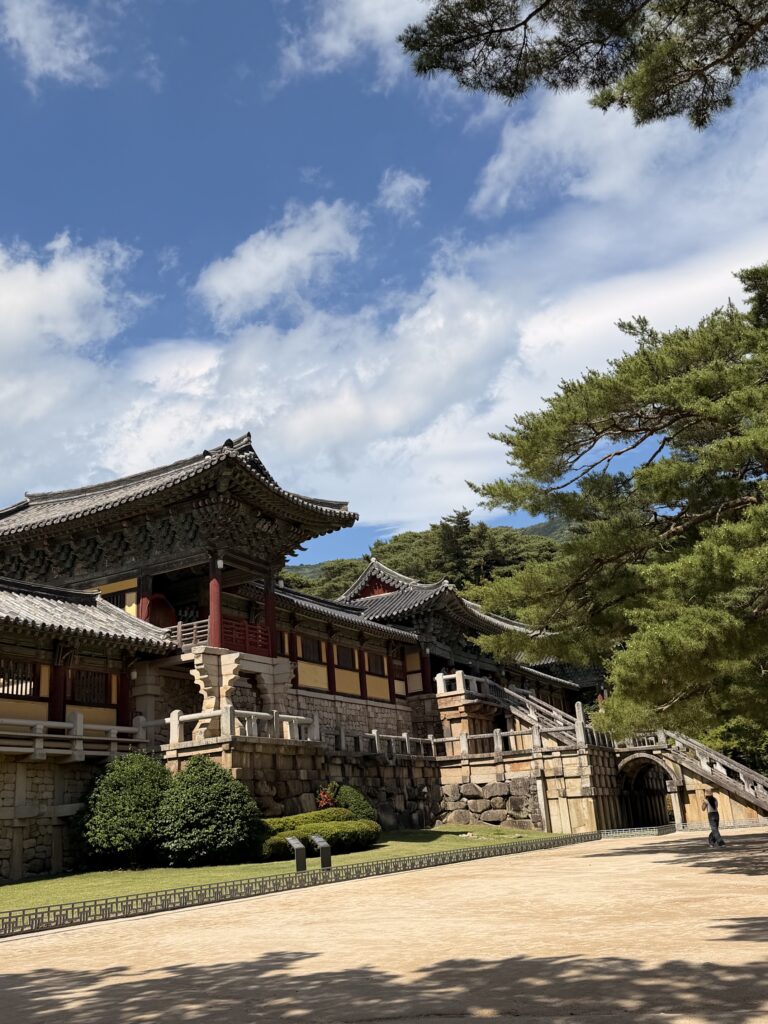
No trip to Gyeongju is complete without visiting Bulguksa Temple, one of South Korea’s most important Buddhist temples and a UNESCO World Heritage Site. Originally built in AD 528 during the Silla Kingdom and later expanded in the 8th century, the temple is considered a masterpiece of Korean Buddhist architecture. Surrounded by forested hills, its peaceful setting makes it as beautiful as it is historically significant.
Top Tip: Combine your visit with nearby Seokguram Grotto, located on the slopes of Mount Toham, to experience two of Gyeongju’s most famous UNESCO World Heritage Sites in a single day.
Visitor Information
- Location: Approximately 16 km southeast of central Gyeongju
- Opening Hours: Typically 9:00 am–6:00 pm (hours may vary seasonally)
- Admission: The temple grounds are free to enter, although some special exhibitions or areas may occasionally charge a fee.
- Getting There: Local buses from Gyeongju city centre reach Bulguksa in around 30–40 minutes, or you can take a taxi for a quicker journey.
Explore Seokguram Grotto
Perched high on the slopes of Mount Toham, Seokguram Grotto is one of South Korea’s most remarkable cultural treasures and a UNESCO World Heritage Site. Built in the 8th century during the Silla Kingdom, the grotto was designed as a Buddhist sanctuary and is renowned for its extraordinary stone craftsmanship and spiritual significance. Together with nearby Bulguksa Temple, it represents the pinnacle of Silla-era Buddhist art and architecture.
The highlight of the grotto is the magnificent granite statue of the seated Buddha, which stands over 3 metres tall inside a circular stone chamber. Surrounded by intricately carved bodhisattvas, disciples, and guardian figures, the statue is considered one of the finest examples of Buddhist sculpture in Asia. To help preserve this historic masterpiece, visitors view the Buddha from behind a glass screen, ensuring the delicate interior remains protected for future generations.
Beyond its historical importance, Seokguram Grotto offers breathtaking views over Gyeongju and the East Sea on clear days. The peaceful mountain setting makes it an ideal escape from the city, with fresh air, scenic walking trails, and beautiful forests surrounding the site. Visiting early in the morning provides the quietest atmosphere and the best chance to enjoy the panoramic views.
Visitor Information
- Location: Mount Toham, approximately 8 km from Bulguksa Temple
- Opening Hours: Typically 9:00 am–6:00 pm (hours may vary seasonally)
- Admission: An entrance fee applies.
- Getting There: Take a local bus or taxi from Bulguksa Temple, or drive via the scenic mountain road. Many visitors combine both attractions in a single half-day trip.
Top Tip: If you’re already visiting Bulguksa Temple, continue on to Seokguram Grotto to experience two of Gyeongju’s most iconic UNESCO World Heritage Sites in one journey. The mountain scenery is especially beautiful during spring cherry blossom season and autumn, when the surrounding forests are ablaze with colour.
Walk Through Daereungwon Tomb Complex
One of Gyeongju’s most iconic attractions, the Daereungwon Tomb Complex is home to a collection of enormous grass-covered royal burial mounds dating back to the ancient Silla Kingdom. Often referred to as the city’s “royal tomb park,” this peaceful site contains the tombs of Silla kings, queens, and nobles, offering visitors a fascinating glimpse into Korea’s royal past.
The complex is beautifully landscaped with wide walking paths, manicured gardens, and towering trees, making it an enjoyable place to explore at any time of year.
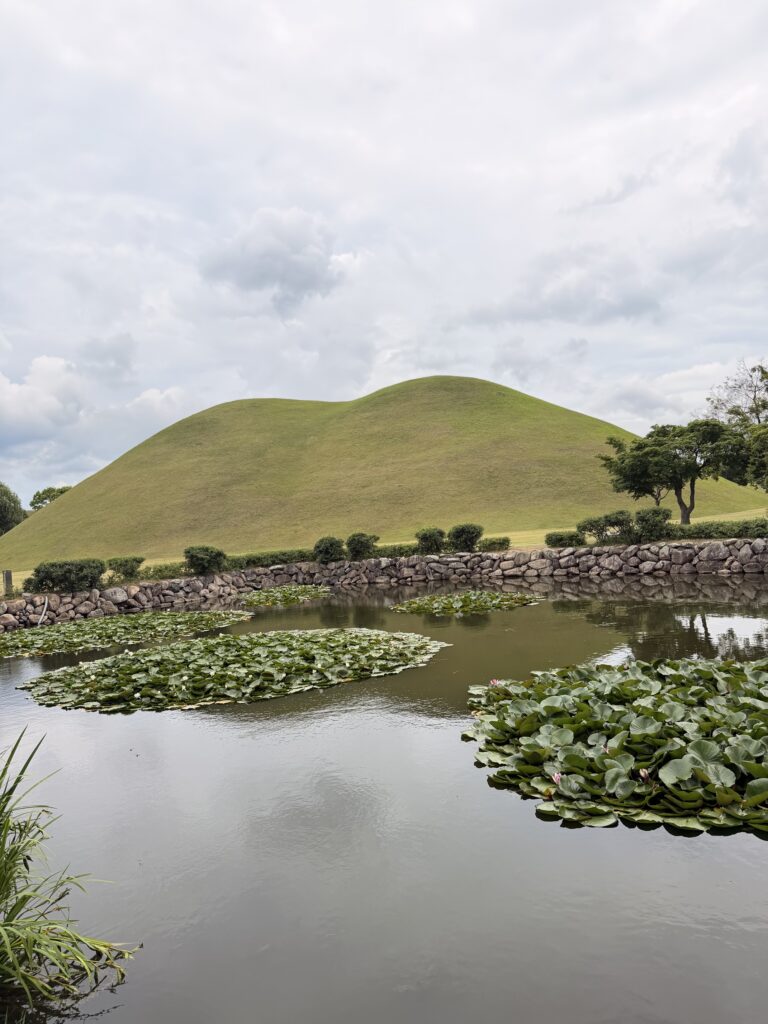
A highlight of any visit is Cheonmachong Tomb (Heavenly Horse Tomb), the only royal tomb in the complex open to the public. Inside, you can see a reconstructed burial chamber and a collection of artefacts discovered during archaeological excavations, including gold crowns, jewellery, pottery, and the famous painting of a winged horse that gave the tomb its name. These treasures provide valuable insight into the wealth, craftsmanship, and burial customs of the Silla Kingdom.
Visitor Information
- Location: Central Gyeongju, within walking distance of many major attractions
- Opening Hours: Typically 9:00 am–10:00 pm (last admission earlier in the evening)
- Admission: An entrance fee applies, including access to Cheonmachong Tomb.
- Getting There: Easily reached on foot from Hwangnidan-gil, Cheomseongdae Observatory, and Wolji Pond, making it a perfect stop on a walking itinerary.
Top Tip: Visit in the late afternoon or around sunset when the soft light creates stunning photographs of the royal tombs. The complex is also beautifully illuminated in the evening, offering a completely different atmosphere after dark.
Cross the Beautiful Woljeonggyo Bridge
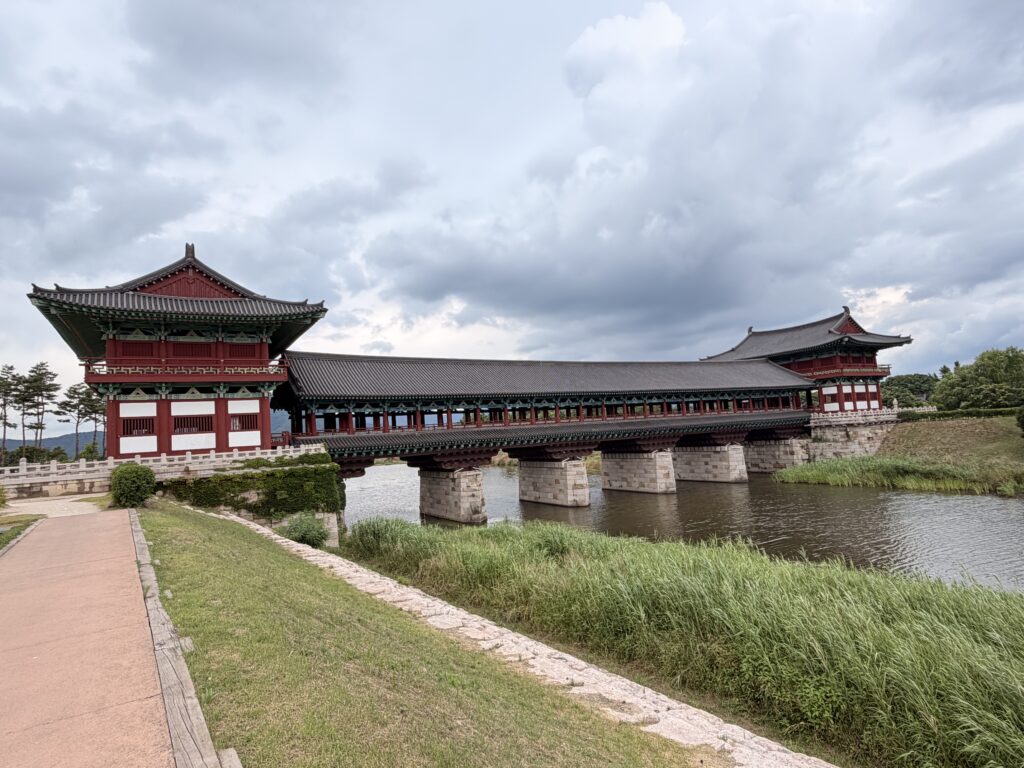
One of Gyeongju’s most photogenic landmarks, Woljeonggyo Bridge is a beautifully reconstructed wooden bridge that spans the Namcheon Stream. Originally built during the Silla Kingdom in the 8th century, the bridge connected the royal palace with important temples and played a key role in the ancient capital. After extensive archaeological research and restoration, it has been faithfully rebuilt using traditional Korean architecture, giving visitors a glimpse into Gyeongju’s rich past.
Walking across the bridge offers fantastic views of the surrounding mountains, river, and historic cityscape. The intricate wooden beams, colourful painted details, and elegant tiled roof make it one of the most impressive examples of traditional Korean craftsmanship. Inside the bridge, small exhibition spaces explain its history and the reconstruction process, adding extra insight to your visit.
Woljeonggyo Bridge is especially magical after sunset when it is illuminated with warm golden lights that reflect beautifully on the water below. It has become one of Gyeongju’s most popular photography spots, attracting both locals and visitors looking to capture the city’s timeless charm.
Visitor Information
- Location: South of the city centre, near Gyochon Traditional Village
- Opening Hours: Open 24 hours (the interior exhibition area has separate opening hours)
- Admission: Free
- Getting There: Around a 10-minute walk from Daereungwon Tomb Complex and easily combined with visits to Gyochon Traditional Village and Donggung Palace & Wolji Pond.
Top Tip: Visit in the evening to see the bridge beautifully illuminated, then continue to nearby Donggung Palace and Wolji Pond for one of Gyeongju’s most spectacular nighttime walks.
Visit Donggung Palace and Wolji Pond
One of the most breathtaking attractions in Gyeongju, Donggung Palace and Wolji Pond is a must-visit, especially in the evening. Originally built in the 7th century during the Silla Kingdom, the palace served as the residence of the crown prince and was used to host royal banquets and important state events. Today, the restored palace buildings and tranquil pond offer visitors a glimpse into the grandeur of Korea’s ancient royal court.
The highlight of the site is the beautifully landscaped Wolji Pond, where elegant pavilions, stone pathways, and carefully maintained gardens create a peaceful atmosphere. As you stroll around the water, you’ll enjoy stunning reflections of the traditional buildings, making it one of the most photographed locations in Gyeongju. Archaeological excavations at the site uncovered thousands of artefacts, many of which are now displayed in the nearby Gyeongju National Museum.
Although the palace is impressive during the day, it truly comes to life after sunset when the buildings are illuminated and their reflections shimmer across the pond. The evening lighting creates a magical setting that feels worlds away from the bustling cities of modern South Korea, making it one of the highlights of any visit to Gyeongju.
Visitor Information
- Location: Eastern Gyeongju, around a 15-minute walk from Daereungwon Tomb Complex
- Opening Hours: Typically 9:00 am–10:00 pm (last admission is usually one hour before closing)
- Admission: An entrance fee applies.
- Getting There: Easily reached on foot from Cheomseongdae Observatory, Gyeongju National Museum, and Woljeonggyo Bridge.
Top Tip: Plan your visit for late afternoon and stay until after dark to experience both the daytime scenery and the spectacular nighttime illuminations. For the best photos, walk the full circuit around the pond to enjoy different perspectives of the palace reflected in the water.
How to Get to Gyeongju
Gyeongju is well connected to South Korea’s major cities by high-speed rail, intercity buses, and car, making it an easy destination for a day trip or longer stay. Whether you’re travelling from Seoul, Busan, or nearby cities, you’ll find several convenient transport options.
From Seoul
The fastest way to reach Gyeongju from Seoul is by KTX high-speed train. Services depart from Seoul Station and Cheongnyangni Station, arriving at Singyeongju Station in around 2 to 2.5 hours. From Singyeongju Station, local buses and taxis take approximately 20–30 minutes to reach the historic city centre.
Alternatively, express buses run from Seoul Express Bus Terminal to Gyeongju Express Bus Terminal. The journey takes around 3.5 to 4.5 hours, depending on traffic, and is often a more budget-friendly option.
From Busan
Gyeongju is one of the easiest day trips from Busan. The KTX takes just 30 minutes to Singyeongju Station, while regular intercity buses travel directly to central Gyeongju in approximately 1 to 1.5 hours. Driving takes around an hour, making it a convenient option if you’re planning to explore multiple destinations in the region.
From Daegu
Travelling from Daegu is quick and straightforward. KTX trains reach Singyeongju Station in around 20 minutes, while buses take approximately one hour, making Gyeongju a popular day-trip destination.
Getting Around Gyeongju
Many of Gyeongju’s top attractions are located close together, making the city easy to explore on foot or by bicycle. Local buses connect major landmarks such as Bulguksa Temple, Seokguram Grotto, Bomun Tourist Complex, and the city centre. Taxis are affordable and widely available, while car hire offers greater flexibility if you plan to visit more remote sites.
Travel Tips
- Purchase KTX tickets in advance during weekends and public holidays, as trains can sell out.
- If you’re only visiting for a day, start early to maximise your sightseeing time.
- Consider renting a bicycle to explore the historic centre, where many of the main attractions are within easy cycling distance.
- Use a T-money or Cashbee transport card for convenient travel on local buses throughout Gyeongju.
Where to Stay in Gyeongju
Choosing the right area to stay in Gyeongju depends on how you plan to explore the city. Whether you want to be within walking distance of historic landmarks, enjoy a relaxing lakeside resort, or experience a traditional Korean hanok, Gyeongju offers accommodation to suit every budget and travel style.
Stay in Central Gyeongju – Best for First-Time Visitors
If it’s your first visit, staying in the city centre is the most convenient option. You’ll be within easy walking distance of attractions such as Daereungwon Tomb Complex, Cheomseongdae Observatory, Hwangnidan-gil, Woljeonggyo Bridge, and Donggung Palace and Wolji Pond. The area also has plenty of restaurants, cafés, convenience stores, and local bus connections, making it easy to explore without a car.
Best for: First-time visitors, sightseeing, cafés, and restaurants.
Stay Near Hwangnidan-gil – Best for Food and Cafés
Hwangnidan-gil has become one of Gyeongju’s trendiest neighbourhoods, filled with stylish cafés, boutique shops, dessert spots, and restaurants housed in beautifully restored traditional buildings. Staying nearby gives you easy access to the city’s vibrant food scene while still being close to many historic attractions.
Best for: Couples, food lovers, photographers, and weekend breaks.
Stay at Bomun Tourist Complex – Best for Families and Luxury
Located around 10 minutes from the city centre, Bomun Tourist Complex is Gyeongju’s main resort area. Set around a picturesque lake, it offers luxury hotels, family-friendly resorts, golf courses, spas, and scenic walking paths. It’s a peaceful choice for travellers looking to unwind after a day of sightseeing.
Best for: Families, luxury travellers, and those travelling by car.
Stay in a Traditional Hanok – Best for a Cultural Experience
For a unique stay, consider booking a traditional hanok guesthouse. Many hanoks have been carefully restored to combine historic architecture with modern comforts, allowing visitors to experience traditional Korean living. Waking up in a hanok courtyard surrounded by wooden buildings adds an extra layer of authenticity to your trip.
Best for: Culture lovers, couples, and travellers seeking a memorable experience.
Budget Accommodation
Gyeongju also has a wide range of affordable guesthouses, hostels, and boutique hotels, particularly around the city centre and bus terminal. These options provide excellent value and are ideal for backpackers, solo travellers, and anyone planning to spend most of their time exploring the city’s attractions.
Booking Tips
- Stay in Central Gyeongju if you’re relying on public transport and want to walk to the main sights.
- Book well in advance during cherry blossom season (late March to early April) and autumn (October to November), as accommodation fills up quickly.
- If you have a car, the Bomun Tourist Complex offers more spacious hotels with convenient parking.
- Consider spending at least two nights in Gyeongju to experience both the city’s historic attractions during the day and its beautifully illuminated landmarks after dark.
Final Thoughts
Gyeongju is a destination where South Korea’s rich history comes to life. From exploring UNESCO World Heritage Sites and centuries-old temples to wandering through royal tombs and enjoying peaceful evening walks around illuminated palaces, the city offers an unforgettable blend of culture, history, and natural beauty. Its relaxed atmosphere and compact layout make it easy to explore, whether you’re visiting for a day or staying for a long weekend.
Whether you’re marvelling at the architecture of Bulguksa Temple, watching the sunset at Donggung Palace and Wolji Pond, strolling along Hwangnidan-gil, or discovering hidden gems throughout the ancient capital, Gyeongju has something for every traveller. It’s the perfect destination for history enthusiasts, photographers, families, and anyone looking to experience a different side of South Korea beyond the fast-paced cities of Seoul and Busan.
If you’re planning a trip to South Korea, be sure to add Gyeongju to your itinerary. With its fascinating heritage, scenic landscapes, delicious local cuisine, and welcoming atmosphere, it’s a place that will leave a lasting impression long after your visit.