
Best Things to Do in Jeonju: The Ultimate Travel Guide for 2026
Jeonju is one of South Korea’s most charming cities, celebrated for its rich history, beautifully preserved traditional architecture, and world-famous food scene. Home to the iconic Jeonju Hanok Village, this cultural destination offers visitors the chance to wander centuries-old streets, explore historic temples, sample authentic Korean cuisine, and experience local traditions that have been passed down for generations.
Whether you’re planning a day trip from Seoul or a weekend getaway, there are plenty of unforgettable things to do in Jeonju. From tasting the city’s famous bibimbap and street food at bustling markets to renting a hanbok, visiting royal shrines, and discovering hidden cafés, Jeonju offers the perfect blend of history, culture, and modern Korean life.
In this ultimate 2026 travel guide, you’ll discover the best things to do in Jeonju, top attractions, local food recommendations, travel tips, and everything you need to plan an unforgettable visit to one of South Korea’s most rewarding destinations.
Why Visit Jeonju?
Jeonju is often considered the cultural heart of South Korea, offering a unique blend of history, tradition, and incredible food. While cities like Seoul and Busan showcase the country’s modern side, Jeonju provides a slower-paced experience where visitors can step back in time and discover centuries-old architecture, royal heritage, and authentic Korean culture.
The city’s biggest attraction is Jeonju Hanok Village, home to more than 700 traditional Korean hanok houses. Here, you can stroll through picturesque streets, rent a hanbok, visit historic landmarks, browse artisan shops, and enjoy panoramic views from nearby viewpoints. The village beautifully combines preserved history with modern cafés, boutiques, and cultural experiences.
Jeonju is also renowned as South Korea’s food capital and the birthplace of bibimbap, one of the country’s most famous dishes. From traditional restaurants serving authentic bibimbap to bustling markets filled with local street food, every meal is an experience in itself. Food lovers will find everything from handmade chocolate pies and Korean snacks to locally brewed makgeolli and traditional desserts.
Whether you’re interested in history, architecture, photography, or simply experiencing authentic Korean culture, Jeonju has something to offer every traveller. It’s compact enough to explore on foot yet packed with fascinating attractions, making it an ideal destination for a day trip from Seoul or a relaxing overnight stay. If you’re looking to experience a more traditional side of South Korea, Jeonju deserves a place on your itinerary.
Best Things to Do in Jeonju
From wandering through centuries-old hanok streets to sampling some of South Korea’s most famous dishes, Jeonju is packed with unforgettable experiences. Whether you’re visiting for a day or spending a weekend exploring, the city offers a perfect mix of history, culture, food, and scenic viewpoints. Many of Jeonju’s top attractions are within walking distance of one another, making it easy to explore at your own pace.
Below are the best things to do in Jeonju, including must-see historical landmarks, traditional cultural experiences, vibrant markets, beautiful parks, and the city’s renowned food scene. These attractions showcase why Jeonju is considered one of the most rewarding destinations to visit in South Korea.
Explore Jeonju Hanok Village
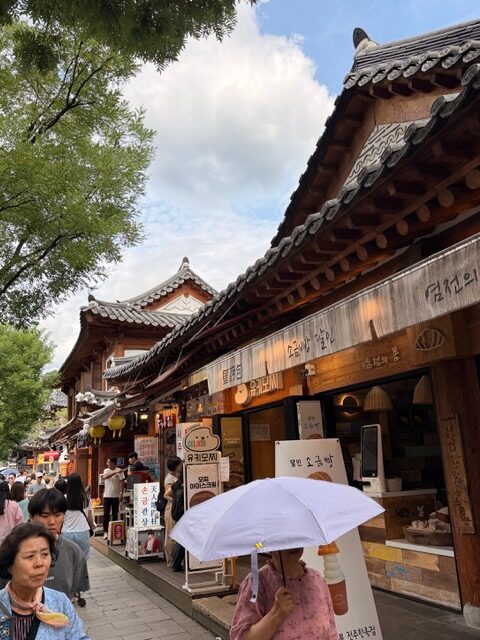
No visit to Jeonju is complete without exploring Jeonju Hanok Village, the city’s most famous attraction and one of the best-preserved traditional villages in South Korea. Home to more than 700 beautifully restored hanok (traditional Korean houses), this historic neighbourhood offers a glimpse into Korea’s rich cultural heritage while blending seamlessly with modern cafés, boutiques, galleries, and restaurants.
Spend a few hours wandering the narrow lanes, admiring the elegant tiled rooftops, and discovering hidden courtyards and artisan workshops.
Along the way, you’ll find craft shops selling handmade souvenirs, tea houses serving traditional Korean refreshments, and museums showcasing local history and culture. The village is also one of the best places in South Korea to rent a hanbok, allowing visitors to dress in traditional Korean clothing for memorable photos among the historic streets.
Food lovers will be spoiled for choice, with countless cafés, bakeries, and street food stalls offering local specialities. Be sure to try Jeonju’s famous bibimbap, freshly made choco pies, and a variety of Korean snacks while exploring.
The village is particularly beautiful in the early morning when the streets are quieter, or in the evening when the lanterns begin to glow, creating a magical atmosphere. Whether you’re interested in history, photography, shopping, or simply soaking up the local culture, Jeonju Hanok Village is an unmissable highlight and the perfect place to begin your visit to the city.
Climb to Omokdae Viewpoint
For one of the best panoramic views in Jeonju, make the short climb to Omokdae Viewpoint. Located on a small hill at the edge of Jeonju Hanok Village, this peaceful spot overlooks the sea of traditional tiled rooftops, making it one of the city’s most popular photography locations.
The viewpoint is named after a historic pavilion where King Taejo, the founder of the Joseon Dynasty, is said to have celebrated a military victory before ascending to the throne. Today, visitors can explore the pavilion, read about its historical significance, and enjoy sweeping views across Jeonju’s historic centre.
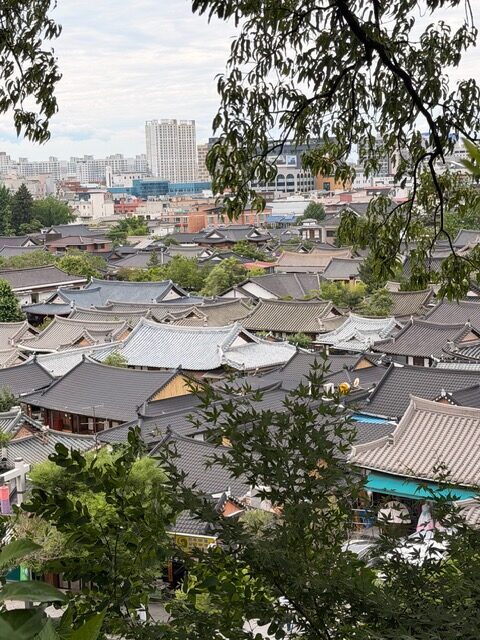
The walk to Omokdae is relatively easy, taking around 10–15 minutes via a series of stone steps and shaded pathways. Along the way, you’ll pass traditional homes and quiet corners that feel far removed from the busy streets below. It’s especially rewarding at sunrise or late afternoon, when the soft light creates stunning views over the hanok rooftops.
If you’re continuing your walk, Omokdae connects to nearby Jaman Mural Village, making it easy to combine both attractions in a single visit. Whether you’re interested in Jeonju’s history or simply looking for the city’s best viewpoint, Omokdae is well worth adding to your itinerary.
Discover Jeondong Catholic Cathedral
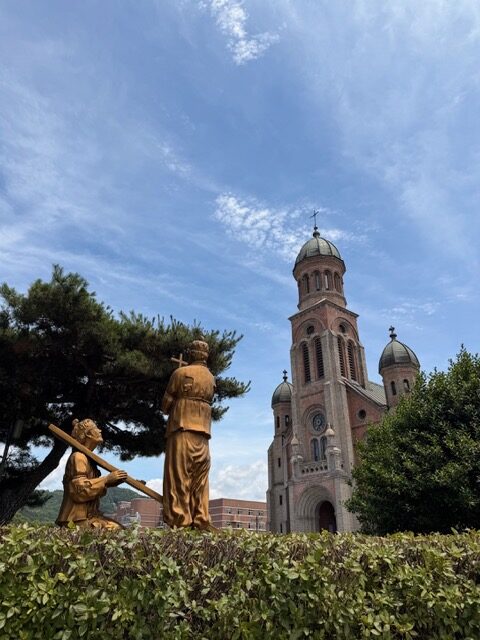
Standing proudly beside Jeonju Hanok Village, Jeondong Catholic Cathedral is one of South Korea’s most beautiful and historically significant churches. Completed in 1914, the cathedral was built on the site where early Korean Catholics were martyred during the Joseon Dynasty, making it an important place of worship and remembrance.
Visitors are welcome to step inside to admire the impressive craftsmanship and tranquil atmosphere. Whether you’re interested in architecture, photography, or Korean history, the cathedral is a fascinating stop that offers insight into the country’s religious heritage.
Thanks to its central location, Jeondong Catholic Cathedral is easy to visit while exploring Jeonju Hanok Village and nearby attractions such as Gyeonggijeon Shrine. Allow around 20–30 minutes to explore the grounds, take photographs, and appreciate one of Jeonju’s most iconic landmarks.
Sample Jeonju’s Famous Bibimbap
A trip to Jeonju wouldn’t be complete without tasting the city’s most famous dish: Jeonju bibimbap. Widely regarded as the birthplace of this iconic Korean meal, Jeonju has built a reputation as South Korea’s food capital, attracting visitors from across the country who come to experience its rich culinary traditions.
Unlike a standard bibimbap, the Jeonju version is made with premium local ingredients, including seasoned vegetables, marinated beef, egg yolk, mushrooms, bean sprouts, and fragrant sesame oil, all served over perfectly cooked rice. Many traditional restaurants also use beef broth to cook the rice, giving the dish an extra depth of flavour. Before eating, simply mix everything together with gochujang (Korean chilli paste) to create the perfect balance of savoury, spicy, and fresh flavours.
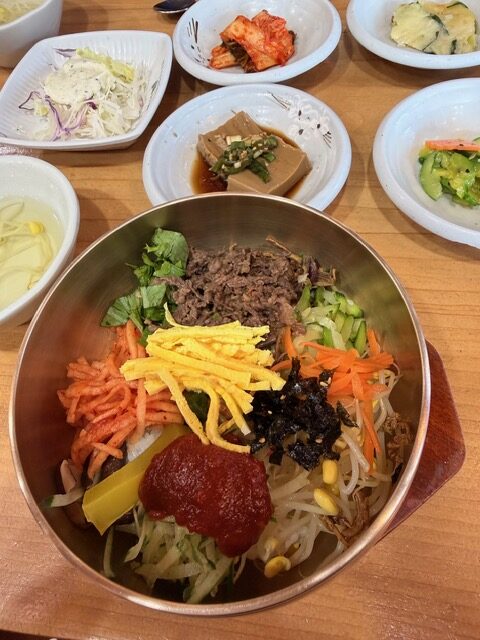
You’ll find excellent bibimbap restaurants throughout Jeonju, particularly around Hanok Village and the surrounding streets. Many family-run eateries have been serving the dish for generations, offering authentic recipes that have helped make Jeonju famous throughout Korea.
If you’re a food lover, consider pairing your meal with traditional Korean side dishes (banchan) or a glass of locally brewed makgeolli for the full Jeonju dining experience. Whether it’s your first time trying bibimbap or you’re already a fan of Korean cuisine, tasting the authentic version in its hometown is one of the best things to do in Jeonju.
How to Get to Jeonju
Jeonju is located in the southwest of South Korea and is well connected by high-speed trains, intercity buses, and major highways, making it an easy destination to visit from cities such as Seoul and Busan. Whether you’re planning a day trip or a longer stay, there are several convenient travel options.
From Seoul
The fastest way to reach Jeonju from Seoul is by KTX high-speed train from Seoul Station or Yongsan Station. The journey takes around 1 hour 30–50 minutes, arriving at Jeonju Station. From there, local buses or taxis can take you to Jeonju Hanok Village in approximately 15–20 minutes.
An alternative is the intercity express bus from Seoul Express Bus Terminal. Buses run frequently throughout the day and take approximately 2 hours 40 minutes, often costing less than the KTX.
From Busan
Travelling from Busan is straightforward by either KTX or intercity bus. The train journey takes around 2–2.5 hours, while direct buses usually take 3–3.5 hours, depending on traffic.
From Gwangju
Jeonju is just 1–1.5 hours from Gwangju by express bus, making it a popular day trip or stop on a wider South Korea itinerary.
Getting Around Jeonju
Many of Jeonju’s top attractions are centred around Jeonju Hanok Village, making the city easy to explore on foot. Local buses connect the train station and bus terminals with the historic centre, while taxis are affordable and widely available. If you’re only visiting for a day, walking between the main sights is the best way to experience the city’s traditional streets, cafés, markets, and historic landmarks.
Where to Stay in Jeonju
Choosing the right area to stay in Jeonju depends on the type of trip you’re planning, but for most visitors, staying close to the city’s historic centre offers the best experience. From traditional hanok guesthouses to modern hotels, Jeonju has accommodation to suit every budget and travel style.
Jeonju Hanok Village – Best for First-Time Visitors
If it’s your first visit to Jeonju, staying in Jeonju Hanok Village is the ideal choice. You’ll be within walking distance of the city’s top attractions, including Gyeonggijeon Shrine, Jeondong Catholic Cathedral, Omokdae Viewpoint, and Nambu Market. Many guesthouses are traditional hanok homes, allowing you to experience authentic Korean architecture while enjoying modern comforts. The village is especially atmospheric in the early morning and evening after the day-trippers have left.
City Centre – Best for Convenience
The area surrounding Jeonju Hanok Village offers a wide selection of hotels, boutique stays, and serviced apartments. Staying here provides easy access to restaurants, cafés, shopping streets, and public transport while keeping you close to the city’s main sights. It’s a great option for travellers who prefer modern accommodation without being far from the historic district.
Near Jeonju Station – Best for Short Stays
If you’re arriving by KTX or planning to continue your journey around South Korea, staying near Jeonju Station can be a convenient option. You’ll find several business hotels and budget-friendly accommodation, with local buses and taxis providing quick access to Hanok Village in around 15–20 minutes.
Budget Accommodation
Jeonju has plenty of affordable guesthouses, hostels, and family-run pensions, many of which include breakfast and offer a welcoming atmosphere. Budget travellers can enjoy excellent value while still staying within easy walking distance of the city’s main attractions.
No matter where you choose to stay, Jeonju is a compact and walkable city, making it easy to explore its historic streets, traditional markets, cultural landmarks, and renowned food scene.
Frequently Asked Questions About Jeonju
Is Jeonju worth visiting?
Yes! Jeonju is one of South Korea’s most rewarding destinations, especially for travellers interested in history, culture, and food. With its beautifully preserved Hanok Village, historic landmarks, vibrant markets, and reputation as Korea’s food capital, Jeonju offers a more traditional experience than larger cities like Seoul or Busan.
How many days should you spend in Jeonju?
One full day is enough to see the main attractions, including Jeonju Hanok Village, Gyeonggijeon Shrine, Omokdae Viewpoint, and Nambu Market. However, staying for two days gives you more time to enjoy the city’s cafés, museums, parks, and renowned food scene at a relaxed pace.
What is Jeonju famous for?
Jeonju is best known for Jeonju Hanok Village, its well-preserved traditional Korean architecture, and being the birthplace of Jeonju bibimbap. The city is also famous for its rich cultural heritage, artisan crafts, traditional hanok stays, and bustling street food markets.
Can you visit Jeonju as a day trip from Seoul?
Yes. Thanks to the KTX high-speed train, Jeonju can be reached from Seoul in around 1 hour 30–50 minutes, making it a popular day trip. That said, an overnight stay allows you to experience the city’s quieter atmosphere after the crowds have left.
What is the best time to visit Jeonju?
Spring (March to May) and autumn (September to November) are the best times to visit, with mild temperatures and beautiful scenery. Spring brings colourful cherry blossoms, while autumn offers vibrant red, orange, and golden foliage throughout the city. These seasons are ideal for exploring Jeonju on foot.
Is Jeonju expensive?
Jeonju is generally more affordable than Seoul. Accommodation, local transport, and dining are reasonably priced, and many of the city’s top attractions—such as wandering Hanok Village, visiting markets, and exploring historic streets—are free to enjoy.
What food should I try in Jeonju?
Jeonju is a paradise for food lovers. Don’t miss the city’s famous bibimbap, traditional Korean barbecue, handmade choco pies, makgeolli (Korean rice wine), kongnamul gukbap (bean sprout soup with rice), and the wide variety of street food available at Nambu Market and throughout Hanok Village.
Final Thoughts
Jeonju is a destination that perfectly captures the heart of traditional South Korea. From wandering the charming streets of Jeonju Hanok Village and visiting centuries-old landmarks to enjoying panoramic viewpoints and sampling the city’s world-famous bibimbap, there’s no shortage of memorable experiences waiting to be discovered.
Whether you’re planning a day trip from Seoul or a relaxing weekend getaway, Jeonju offers a slower pace, rich cultural heritage, and one of the country’s best food scenes. Its walkable historic centre, welcoming atmosphere, and mix of history and modern comforts make it a favourite among both first-time visitors and returning travellers.
If you’re looking to experience authentic Korean culture beyond the bustling streets of Seoul and Busan, Jeonju deserves a place on your South Korea itinerary. With its unique blend of history, tradition, and incredible cuisine, it’s a city that’s sure to leave a lasting impression.