
3 Days in Bangkok: The Perfect First-Time Itinerary
Bangkok is one of those cities that can feel completely overwhelming at first, but give yourself three days and you’ll have enough time to experience many of its highlights without feeling like you’re constantly rushing from one attraction to the next.
From magnificent temples and bustling markets to delicious street food, rooftop views and lively neighbourhoods, Bangkok offers an incredible mix of old and new. We found that the best way to experience the city was to balance the major sights with plenty of time to simply wander, eat and take in the atmosphere.
If you’re visiting Bangkok for the first time, this 3-day Bangkok itinerary covers the city’s must-see attractions while keeping the days manageable. Whether you’re arriving in Thailand for the first time or using Bangkok as a base for exploring more of the country, this itinerary will help you make the most of your three days in the city.
3 Days in Bangkok: At a Glance
If you’re visiting Bangkok for the first time, three days gives you a great introduction to the city. You can explore its famous temples and historic streets, experience the energy of its markets and shopping districts, and still leave time to enjoy Bangkok’s food, nightlife and local culture.
This itinerary is designed to keep each day focused on a particular area of the city, helping you make the most of your time without spending the entire day stuck in Bangkok’s traffic.
Day 1: Explore Bangkok’s Historic Temples
Spend your first day discovering Bangkok’s historic heart, including the Grand Palace, Wat Phra Kaew, Wat Pho and Wat Arun. Finish the day by exploring the atmospheric streets of Bangkok’s Old Town and enjoying some traditional Thai food.
Day 2: Markets, Shopping & Bangkok’s Modern Side
Day two is all about experiencing a different side of Bangkok. Browse lively markets, explore Chinatown and head into the city’s modern shopping districts. In the evening, take in the Bangkok skyline from one of the city’s many rooftop bars.
Day 3: Culture, Views & Local Experiences
On your final day, slow the pace down and experience more of Bangkok’s local side. Explore cultural attractions, enjoy a boat ride along the Chao Phraya River, relax in one of the city’s parks and finish your trip with dinner and a final taste of Bangkok’s vibrant nightlife.
Day 1: Explore Bangkok’s Historic Temples
Your first day in Bangkok is the perfect opportunity to explore the city’s historic heart. Many of Bangkok’s most famous temples and landmarks are located close together in the Old Town, making it easy to see several of the city’s highlights in one day.
Start early to avoid the hottest part of the day and some of the larger crowds, particularly at the Grand Palace. From there, you can walk between several of the main sights before crossing the Chao Phraya River to Wat Arun. Finish your day by wandering through the atmospheric streets of the Old Town and sampling some delicious Thai food.
Visit the Grand Palace
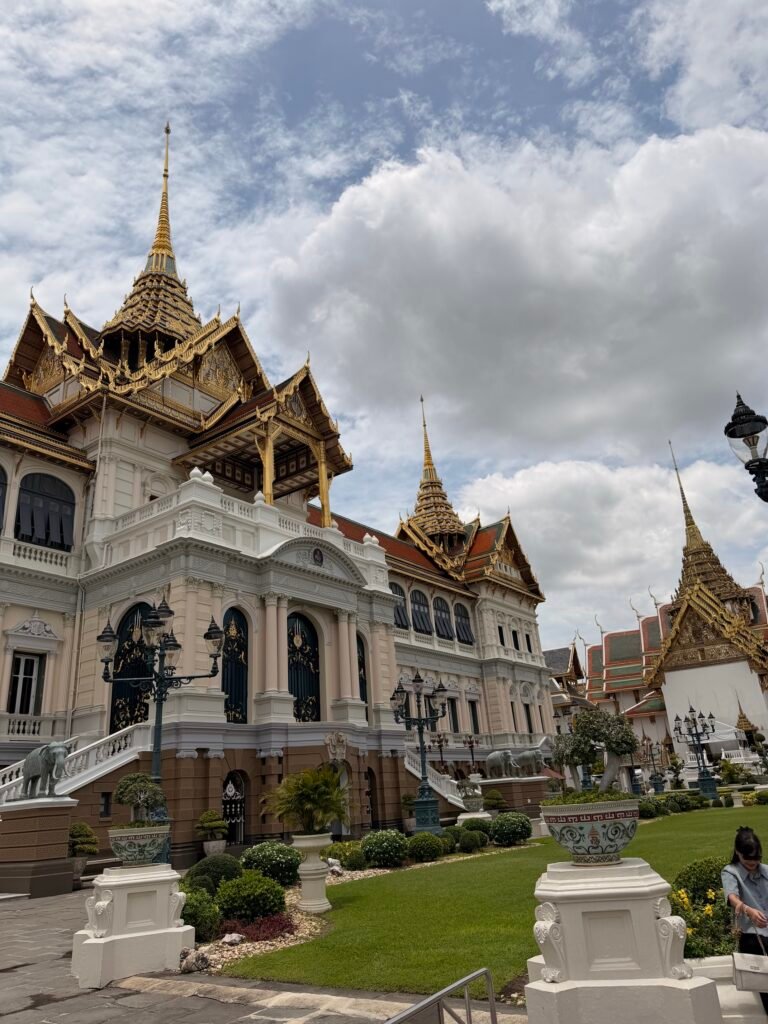
Begin your Bangkok adventure at the Grand Palace, one of the city’s most impressive and recognisable landmarks. This enormous complex was once the official residence of the Kings of Siam and Thailand and remains one of Bangkok’s most important attractions.
Take your time exploring the ornate buildings, golden details and beautifully decorated courtyards. The palace can get extremely busy, so arriving early is well worth it.
Remember that the Grand Palace is a sacred site, so make sure you dress appropriately with your shoulders and knees covered.
See Wat Phra Kaew
Located within the Grand Palace complex, Wat Phra Kaew, also known as the Temple of the Emerald Buddha, is one of Thailand’s most revered Buddhist temples.
The temple is particularly famous for the Emerald Buddha, a small but highly significant Buddha image carved from jadeite. The surrounding architecture is just as impressive, with intricate details, colourful murals and golden decorations.
Since Wat Phra Kaew is within the Grand Palace complex, it makes sense to visit both attractions together rather than treating them as separate stops.
Explore Wat Pho
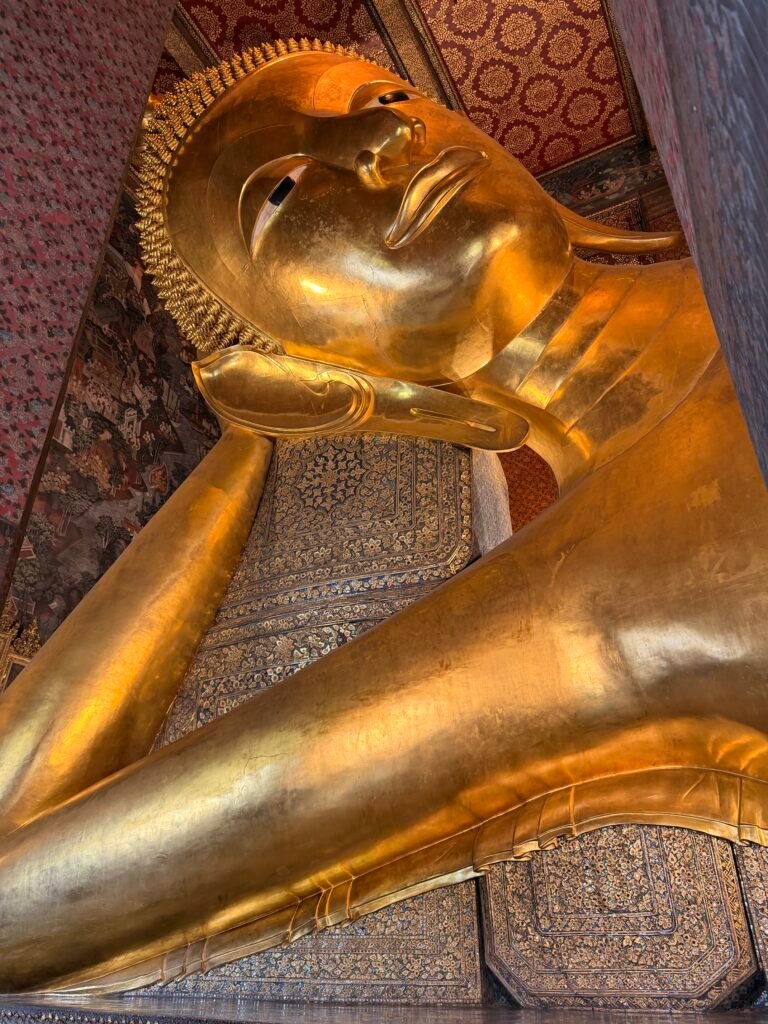
From the Grand Palace, walk to Wat Pho, one of Bangkok’s oldest and most famous temples. The temple is best known for its enormous Reclining Buddha, which stretches for around 46 metres and is covered in gold leaf.
Beyond the famous Buddha statue, Wat Pho is worth exploring for its peaceful courtyards, colourful chedis and intricate temple buildings. It is also regarded as the birthplace of traditional Thai massage, making it a great place to learn more about Thailand’s cultural heritage.
Cross the Chao Phraya River to Wat Arun
Next, make your way to the Chao Phraya River and take a short ferry ride across to Wat Arun, one of Bangkok’s most beautiful temples.
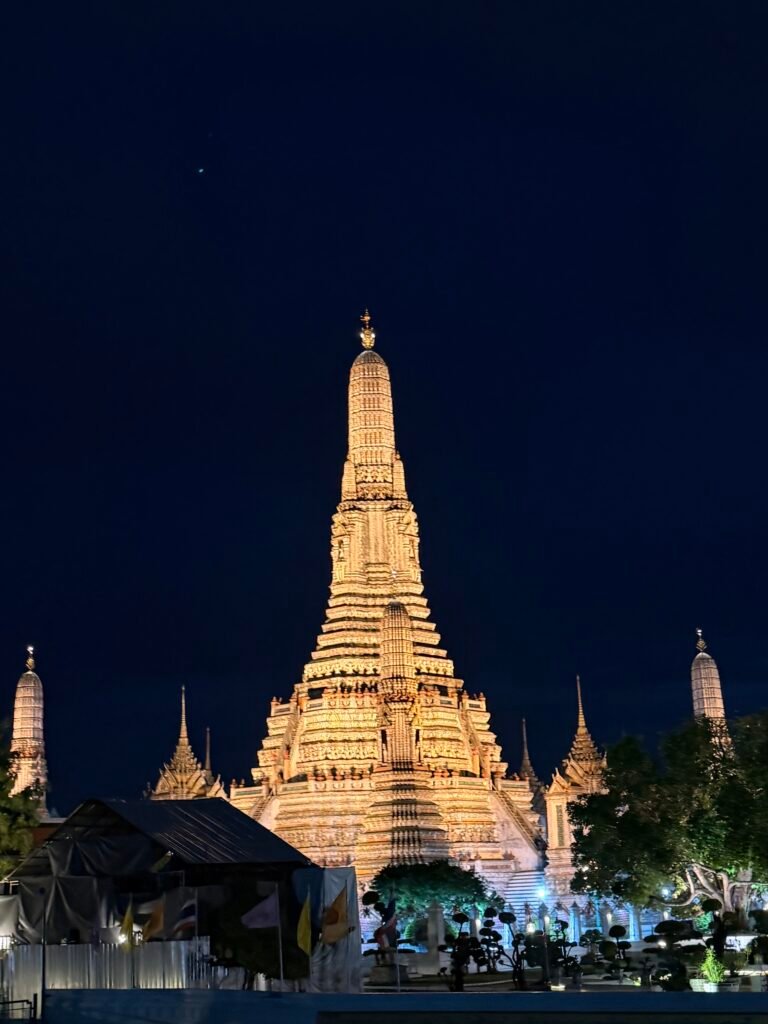
Often referred to as the Temple of Dawn, Wat Arun is instantly recognisable thanks to its tall central prang decorated with colourful porcelain and seashells. Climbing partway up the central structure also gives you great views over the river and surrounding city.
We particularly recommend visiting this part of Bangkok around late afternoon when the light begins to soften, although Wat Arun is impressive at any time of day. Alternatively we loved seeing Wat Arun at night.
Explore Bangkok’s Old Town
After visiting Wat Arun, head back towards Bangkok’s Old Town and spend some time exploring without a strict itinerary. This is a great opportunity to wander down quieter streets, discover small temples and see a more traditional side of the city.
The area around Rattanakosin is particularly interesting, with historic buildings, local shops and plenty of small food stalls. Don’t be afraid to take a few detours along the way — some of our favourite moments in Bangkok have come from simply wandering around and seeing what we came across.
Enjoy Dinner and Street Food
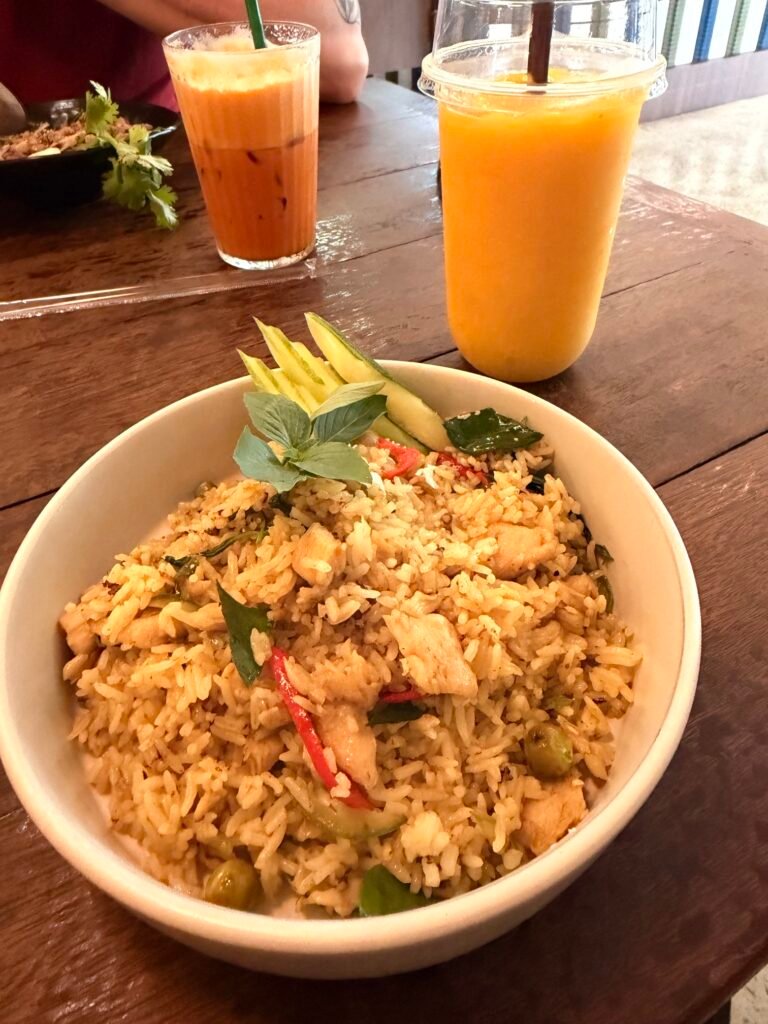
End your first day by trying some of Bangkok’s famous street food. The city is packed with everything from noodle dishes and grilled meats to mango sticky rice and fresh fruit.
For an especially lively evening, head towards Chinatown and Yaowarat Road, where the streets come alive with food vendors and restaurants after dark. It’s the perfect way to finish your first day in Bangkok and experience one of the things the city does best: amazing food at incredibly affordable prices.
Day 2: Markets, Shopping & Bangkok’s Modern Side
After spending your first day exploring Bangkok’s historic temples, day two gives you the chance to experience a completely different side of the city. Today is all about colourful markets, street food, shopping and Bangkok’s modern skyline.
This day works particularly well if you’re visiting Bangkok over a weekend, as you can start at the famous Chatuchak Weekend Market before making your way towards Chinatown and the city’s modern shopping districts. Finish the day with a rooftop drink and watch Bangkok light up after dark.
Start at Chatuchak Weekend Market
If your three days in Bangkok include a Saturday or Sunday, start your morning at Chatuchak Weekend Market. With thousands of stalls spread across a huge market complex, this is one of the best places in Bangkok to shop for clothing, souvenirs, artwork, homeware and local products.
The market can become incredibly hot and crowded later in the day, so arriving early is a good idea. Give yourself a couple of hours to wander through the different sections, but don’t worry about seeing everything — you could easily spend an entire day here.
If your trip doesn’t fall over a weekend, you can simply skip Chatuchak and spend more time exploring Bangkok’s other markets or shopping districts.
Explore Chinatown and Yaowarat Road
Next, head to Bangkok’s Chinatown, known locally as Yaowarat. This lively neighbourhood is one of the most atmospheric parts of the city, with colourful signs, narrow streets, temples, markets and countless food stalls.
Take some time to wander around before stopping for lunch. Yaowarat is particularly famous for its street food, so this is a great opportunity to try some of Bangkok’s local specialities.
Although Chinatown really comes alive after dark, visiting during the day gives you a chance to explore at a slightly slower pace before returning in the evening if you want to experience the famous night-time food scene.
Visit Wat Traimit
While you’re in Chinatown, make a stop at Wat Traimit, located close to Yaowarat Road.
The temple is famous for housing the world’s largest solid-gold Buddha statue, making it one of Bangkok’s most interesting temples. The statue weighs several tonnes and is an impressive sight even if you’ve already visited several temples during your trip.
Wat Traimit is also conveniently located near Bangkok’s Chinatown Gate, so it’s easy to combine with a walk around the neighbourhood.
Shop at MBK Center
After exploring Chinatown, make your way to MBK Center, one of Bangkok’s most popular shopping malls.
MBK is very different from the city’s more luxurious shopping centres and is known for its huge selection of clothing, electronics, souvenirs, accessories and other affordable goods. It’s a good place to browse if you’re looking for gifts to take home or simply want to escape Bangkok’s heat for a while.
Even if you’re not a big shopper, the sheer size and variety of MBK make it an interesting place to explore.
Explore Siam Square
From MBK, it’s just a short walk to Siam Square, one of Bangkok’s busiest modern neighbourhoods.
This area is surrounded by major shopping malls, restaurants, cafés and entertainment venues, giving you a glimpse of Bangkok’s contemporary side. You can browse the shops, grab a coffee or simply wander around and take in the energy of the city.
If shopping is your thing, you can also explore nearby malls such as Siam Paragon and CentralWorld.
See Bangkok from a Rooftop Bar
Finish your second day by seeing Bangkok from above. The city is home to an impressive collection of rooftop bars and restaurants, offering panoramic views across the skyline.
Watching the sun set over Bangkok before the city lights begin to sparkle is a fantastic way to end the day. Keep in mind that many rooftop bars have a dress code, so it’s worth checking the requirements before you visit.
You don’t necessarily need to order an expensive dinner either. If you’re travelling on a budget, look for a rooftop bar where you can simply enjoy a drink and take in the views.
Tip: If you want to visit a popular rooftop bar, book ahead where possible, particularly around sunset.
Day 3: Culture, Views & Local Experiences
For your final day in Bangkok, take things at a slightly slower pace and experience some of the city’s culture, green spaces and local neighbourhoods. After two busy days of temples, markets and shopping, this itinerary gives you a chance to explore at a more relaxed pace while still seeing some of Bangkok’s highlights.
Take a Boat Ride Along the Chao Phraya River
Start your day with a ride along the Chao Phraya River, one of the best ways to see Bangkok from a different perspective. The river has played an important role in the city’s history and remains a major part of everyday life.
You can use the public river boats to travel between different parts of the city, or simply take a short ride and enjoy the views. Along the way, you’ll pass temples, traditional wooden houses, modern buildings and busy riverside communities.
It’s also a great way to avoid some of Bangkok’s notorious traffic while getting around.
Explore the Jim Thompson House
Next, visit the Jim Thompson House, a traditional Thai-style home surrounded by tropical gardens in the heart of Bangkok.
The house belonged to Jim Thompson, an American businessman who played an important role in reviving Thailand’s silk industry. Today, the beautifully preserved property is a museum displaying his collection of Asian art and antiques.
It’s a peaceful contrast to the busy streets of Bangkok and offers an interesting insight into Thai architecture, art and history.
Wander Through Bangkok’s Local Markets
Spend part of your afternoon exploring one of Bangkok’s local markets. While the city’s major markets are popular with tourists, smaller neighbourhood markets can offer a more authentic glimpse into everyday life.
You’ll find stalls selling fresh fruit, vegetables, snacks, prepared meals, clothing and all kinds of everyday goods. Even if you don’t plan on buying anything, wandering through the stalls is a great way to experience the sights, sounds and smells of Bangkok.
And, of course, don’t miss the opportunity to try some more Thai street food along the way.
Relax in Lumpini Park
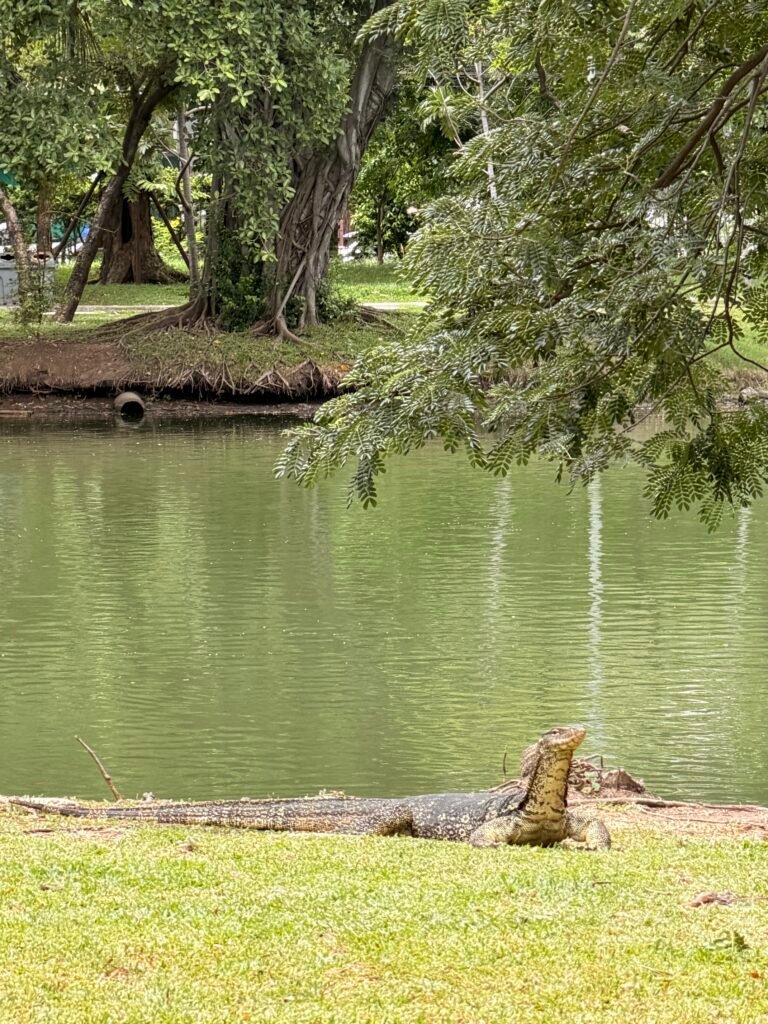
After several busy days of sightseeing, take some time to slow down at Lumpini Park.
Located in the centre of Bangkok, this large green space is a welcome escape from the city’s traffic and skyscrapers. You can stroll around the park, sit beside the lake or simply find a shady spot to relax.
If you’re visiting later in the afternoon, you’ll also see locals exercising, walking and enjoying the cooler temperatures. It’s a nice opportunity to experience a more relaxed side of Bangkok. Keep an eye our for the Monitor Lizards.
Enjoy Bangkok’s Nightlife
Finish your three days in Bangkok by experiencing some of the city’s nightlife. Bangkok has something for almost every type of traveller, whether you’re looking for rooftop views, lively night markets, live music or a quiet cocktail bar.
For a relaxed final evening, head back to Chinatown and Yaowarat Road for another round of street food, or explore one of Bangkok’s night markets.
If you want something a little livelier, areas such as Sukhumvit and Silom offer plenty of bars and entertainment options.
Wherever you choose to spend your final evening, take the opportunity to enjoy one last Thai meal and soak up the energy of the city before continuing your travels.
How to Get Around Bangkok
Getting around Bangkok can seem daunting at first, especially with the city’s heavy traffic and huge size. However, the public transport network makes it relatively easy to get between the main tourist areas, and using a combination of trains, boats and taxis is usually the most convenient way to explore.
Using the BTS Skytrain
The BTS Skytrain is one of the easiest ways to get around Bangkok, particularly if you’re travelling between the city’s modern shopping, business and nightlife districts.
The elevated trains are fast, air-conditioned and avoid the traffic below. The BTS is especially useful for getting to areas such as Siam, Sukhumvit and Silom.
If you’re staying near a BTS station, you’ll likely find yourself using it regularly during your three days in Bangkok.
Taking the MRT
The MRT underground system is another convenient option and connects several areas that aren’t directly served by the BTS.
It’s particularly useful for reaching places such as Chinatown and Bangkok’s Old Town, depending on your starting point. The MRT also connects with the BTS at several interchange stations, making it easy to combine the two networks.
Using the BTS and MRT together is often much quicker than taking a taxi during busy periods.
Using Boats and River Ferries
Bangkok’s waterways provide another useful way to get around, particularly if you’re exploring the temples and attractions along the Chao Phraya River.
River boats can take you between popular stops including Wat Arun, Wat Pho and the Grand Palace area, while also giving you a different perspective of the city.
For some journeys, taking a boat can be considerably more enjoyable than sitting in traffic, so it’s worth checking the river routes when planning your sightseeing.
Taking Taxis and Grab
Taxis are widely available throughout Bangkok, but traffic can be a major problem, particularly during peak hours. For longer journeys or places that aren’t close to public transport, however, they can still be useful.
Grab is another convenient option, allowing you to book a car through an app and see the price before travelling. We found this particularly useful when travelling with luggage or when public transport wasn’t a convenient option.
Where possible, try to avoid travelling by road during the busiest times, as even relatively short journeys can take much longer than expected.
When to Use Tuk-Tuks
Taking a tuk-tuk is almost a rite of passage when visiting Bangkok. These three-wheeled vehicles are fun for short journeys and offer a quintessential Bangkok experience.
However, tuk-tuks aren’t always the cheapest or most practical way to get around. Always agree on the price before getting into the tuk-tuk and don’t be afraid to negotiate.
For longer journeys, we’d generally recommend using the BTS, MRT, boat or Grab instead. Save the tuk-tuk for a short ride when you want to enjoy the experience rather than simply get from A to B.
Where to Stay in Bangkok for 3 Days
Choosing where to stay can make a big difference when visiting Bangkok, particularly when you only have three days. The city is huge, and traffic can be frustrating, so we recommend choosing accommodation close to a BTS Skytrain or MRT station wherever possible. This can save you a surprising amount of time getting between attractions.
For first-time visitors, Sukhumvit, Silom and Siam are particularly convenient bases, while Khao San Road and the Old Town are better suited to travellers who want to be closer to Bangkok’s historic sights or are travelling on a tighter budget.
Best Area for First-Time Visitors
Sukhumvit is one of the easiest areas to stay in Bangkok for first-time visitors. The area has a huge choice of hotels, restaurants, shopping and nightlife, while the BTS Skytrain and MRT make it relatively straightforward to explore other parts of the city. The stretch around Asok and Phrom Phong is particularly convenient.
If you’d rather be closer to the city’s historic attractions, Bangkok Old Town (Rattanakosin) puts you much closer to the Grand Palace, Wat Pho and Wat Arun. The downside is that it has less convenient BTS access, so you’ll rely more on boats, taxis and walking.
Where to Stay for Nightlife
If nightlife is an important part of your Bangkok trip, Silom, Sathorn and Sukhumvit are all good options. Silom is home to plenty of bars and restaurants and is also close to Lumphini Park, while Sukhumvit offers a huge choice of nightlife, restaurants and rooftop bars.
For a more energetic atmosphere, areas around Thong Lo and Ekkamai are particularly popular for bars, restaurants and late-night entertainment.
Where to Stay on a Budget
For budget travellers and backpackers, Khao San Road and the surrounding Banglamphu area are some of the most popular places to stay. You’ll find plenty of inexpensive accommodation, casual restaurants, bars and street food within walking distance.
The main downside is transport. Khao San Road isn’t directly served by the BTS or MRT, so you’ll need to rely more on taxis, buses, boats or walking to reach some of Bangkok’s other neighbourhoods.
We stayed at New Siam II, which was the perfect base for exploring Bangkok. The hotel had everything we needed for a comfortable stay, including a swimming pool, on-site restaurant and large, comfortable beds. Its convenient location also made it easy to explore the city’s main attractions, while giving us somewhere relaxing to return to after a busy day of sightseeing.
Where to Stay for Easy Transport
If convenient transport is your priority, look for a hotel within a short walk of a BTS or MRT station. This is arguably one of the most important things to consider when choosing where to stay in Bangkok, as the city’s road traffic can make relatively short journeys surprisingly time-consuming.
Siam is another excellent option for transport, as it is a major BTS interchange and is surrounded by shopping, restaurants and hotels. Sukhumvit around Asok is also particularly convenient because you have access to both the BTS and MRT.
For a three-day trip, we’d prioritise location over having a larger or cheaper hotel further away from public transport. Being able to walk to a station can make exploring Bangkok much easier and give you more time to enjoy the city.
Tips for Visiting Bangkok
Bangkok is a relatively easy city to explore once you get used to the heat, traffic and busy streets. A little planning can make a big difference, especially if you’re only spending three days in the city. Here are some of the tips we found most useful when visiting Bangkok.
Start Early to Beat the Heat and Crowds
Bangkok can get extremely hot, particularly during the middle of the day, so starting your sightseeing early is one of the best things you can do.
Getting to popular attractions such as the Grand Palace and Wat Pho early also means you can explore before the biggest crowds arrive. You’ll also have more energy for the rest of the day rather than trying to fit everything into the hottest hours.
Dress Appropriately When Visiting Temples
Remember that Bangkok’s temples are religious sites, so dress respectfully when visiting them. Shoulders and knees should generally be covered, particularly at important temples such as the Grand Palace and Wat Phra Kaew.
It’s a good idea to carry a lightweight scarf or cover-up in your day bag if you’re wearing clothes that don’t provide enough coverage. Comfortable, breathable clothing is also essential in Bangkok’s heat.
Carry Cash for Markets and Street Food
Although cards are widely accepted in Bangkok, you’ll still come across plenty of small food stalls, markets and local businesses that prefer cash.
Keep some Thai baht with you when exploring markets or trying street food, but avoid carrying more cash than you need. Having smaller notes and coins can also make paying for inexpensive purchases much easier.
Use Public Transport to Avoid Bangkok Traffic
Bangkok traffic can be frustrating, particularly during rush hour. Whenever possible, use the BTS Skytrain, MRT or river boats instead of travelling by road.
For attractions that aren’t easily accessible by public transport, Grab can be a convenient alternative. Planning your route before setting off can save you a considerable amount of time during a three-day visit.
Agree on Tuk-Tuk Prices Before Your Journey
Taking a tuk-tuk is one of the quintessential Bangkok experiences, but make sure you agree on the price before setting off.
Prices aren’t always metered, so establish the fare clearly before getting into the tuk-tuk. If the price seems too high, don’t be afraid to negotiate or simply walk away and find another driver.
For longer journeys, we generally recommend public transport or Grab, but for a short ride, hopping in a tuk-tuk can be a fun part of the Bangkok experience.
Frequently Asked Questions About Visiting Bangkok for 3 Days
Is 3 days enough for Bangkok?
Yes, three days is enough to experience many of Bangkok’s highlights, particularly if it’s your first visit. With three days, you can explore the city’s famous temples, experience its markets and shopping districts, try plenty of Thai food and enjoy some of Bangkok’s nightlife. You won’t see everything, but three days gives you a great introduction to the city.
What should I not miss in Bangkok in 3 days?
For a first visit, we’d recommend prioritising the Grand Palace, Wat Phra Kaew, Wat Pho, Wat Arun, Chinatown and the Chao Phraya River. If you have time, visiting a market, enjoying some Thai street food and seeing Bangkok from a rooftop bar are also great additions to your itinerary.
What is the best area to stay in Bangkok for 3 days?
For first-time visitors, Sukhumvit is a convenient choice thanks to its wide range of hotels, restaurants and excellent public transport connections. If you’re more interested in Bangkok’s historic attractions, staying in the Old Town puts you closer to the Grand Palace, Wat Pho and Wat Arun. For budget travellers, Khao San Road and the surrounding Banglamphu area offer plenty of affordable accommodation.
How much money do you need for 3 days in Bangkok?
How much you need depends heavily on your travel style. Bangkok can be a relatively affordable destination, particularly if you eat at local restaurants and street food stalls and use public transport. Your biggest expenses are likely to be accommodation, attractions and activities, so it’s worth setting a daily budget before your trip.
What is the best way to get around Bangkok?
The BTS Skytrain and MRT are generally the easiest ways to avoid Bangkok’s heavy traffic. River boats are particularly useful around the Chao Phraya River and historic areas, while Grab and taxis are convenient when public transport isn’t practical. Tuk-tuks are best enjoyed as a short, fun experience rather than your main form of transport.
What is the best time to visit Bangkok?
The cooler and generally drier months from November to February are often considered the most comfortable time to visit Bangkok. However, Bangkok is a year-round destination, and travelling outside the peak season can mean fewer crowds and potentially lower accommodation prices.
Is Bangkok expensive to visit?
Bangkok can be surprisingly affordable, especially compared with many major cities around the world. You can keep costs down by staying in budget accommodation, eating local food and using public transport, while there are also plenty of luxury hotels, restaurants and experiences if you have a higher budget.
How many days do you need in Bangkok?
We recommend spending at least three days in Bangkok for a first visit. This gives you enough time to see the major temples, explore different neighbourhoods, try the local food and experience some of the city’s nightlife without having to rush constantly. If you have more time, four or five days would allow you to explore at a much more relaxed pace and take a day trip outside the city.