
Kyoto Travel Guide: Best Things to Do, See and Eat in 2026
Kyoto has been my absolute favourite place in Japan so far. From the famous Golden Temple and iconic red torii gates of Fushimi Inari Taisha to exploring traditional winding streets, there is so much to love about this beautiful city. Kyoto perfectly blends Japan’s rich history, culture and traditions with incredible food, peaceful temples and unforgettable scenery, making it a must-visit destination on any Japan itinerary. In this Kyoto travel guide, I’ll share my favourite temples, top food recommendations and best travel tips to help you plan the ultimate trip to Kyoto.
Kyoto at a Glance
Kyoto is one of Japan’s most captivating cities and, so far, my absolute favourite destination in the country. Once the imperial capital of Japan, Kyoto is filled with centuries of history, traditional culture and some of the country’s most beautiful landmarks.
From the shimmering Kinkaku-ji (Golden Pavilion) and thousands of bright red torii gates at Fushimi Inari Taisha to the peaceful temples, colourful shrines and traditional winding streets of Gion, Kyoto feels like stepping into another side of Japan.
Whether you want to explore ancient temples, sample delicious Japanese food, wander through historic neighbourhoods or experience Japan’s traditional culture, Kyoto has something for everyone. With so much to see and do, it is easy to understand why Kyoto is one of the most popular destinations in Japan and a highlight of any Japan itinerary.
How to Get to Kyoto
Kyoto is one of the easiest cities in Japan to reach, with excellent transport links from major destinations across the country. Whether you are travelling from Tokyo, Osaka or arriving internationally, there are several convenient ways to get to Kyoto.
From Tokyo to Kyoto by Shinkansen
The fastest and most popular way to travel from Tokyo to Kyoto is by Tokaido Shinkansen. The journey takes around 2 hours and 15 minutes to 2 hours and 40 minutes, depending on the service you choose.
The Shinkansen is a great option if you are following a Japan itinerary that includes both Tokyo and Kyoto. Trains run regularly throughout the day, making it easy to travel between the two cities.
From Osaka to Kyoto
Kyoto is located close to Osaka, making it easy to visit either city during the same trip. The journey usually takes between 15 and 30 minutes, depending on which train service you use.
You can travel between Osaka and Kyoto by:
- JR train from Osaka Station to Kyoto Station
- Hankyu Railway from Osaka-Umeda to Kyoto-Kawaramachi
- Keihan Railway from areas such as Yodoyabashi to central Kyoto
Because of the short travel time, Kyoto can also be visited as a day trip from Osaka, although I recommend staying for at least a few nights if you want to experience the city properly.
From Kansai International Airport to Kyoto
If you are flying into Kansai International Airport (KIX), Kyoto is easily accessible by train. The JR Haruka Limited Express offers a direct connection between the airport and Kyoto Station, taking approximately 75 minutes.
You can also travel by airport limousine bus, which is a convenient option if you have lots of luggage or your accommodation is located away from Kyoto Station.
From Other Destinations in Japan
Kyoto is also well connected to many other popular destinations across Japan, including:
- Nara – around 35–45 minutes by train
- Hiroshima – around 1 hour 40 minutes by Shinkansen
- Kanazawa – around 2 hours by train
- Nagoya – around 35–40 minutes by Shinkansen
Thanks to Japan’s efficient rail network, Kyoto is easy to include in almost any Japan itinerary.
How Many Days Do You Need in Kyoto?
I recommend spending at least three days in Kyoto to experience the city’s most famous temples, shrines, traditional neighbourhoods and food without feeling too rushed. However, if you have more time, four to five days in Kyoto allows you to explore at a slower pace and discover some of the city’s quieter areas.
1 Day in Kyoto
One day in Kyoto gives you enough time to see a few of the city’s highlights, but you will need to plan your itinerary carefully. You could visit Fushimi Inari Taisha, explore Kiyomizu-dera and wander through the traditional streets of Higashiyama.
2 Days in Kyoto
Two days allows you to experience many of Kyoto’s most famous attractions. You could spend one day exploring the temples and traditional streets of eastern Kyoto before visiting Fushimi Inari Taisha. On your second day, head to Arashiyama and explore the famous bamboo grove, temples and surrounding area.
3 Days in Kyoto
Three days is the perfect amount of time for a first visit to Kyoto. This gives you enough time to visit the city’s most famous temples and shrines, explore traditional neighbourhoods, try some of Kyoto’s best food and experience the city without rushing from one attraction to the next.
4–5 Days in Kyoto
With four or five days, you can explore Kyoto at a much slower pace and add additional attractions or day trips to your itinerary. Popular options include visiting Nara, Uji or some of Kyoto’s quieter temples and less-visited neighbourhoods.
For our trip, we spent 10 days in Kyoto, which gave us enough time to explore the main highlights while still having time to enjoy the atmosphere, food and traditional streets that make this city so special.
Best Time to Visit Kyoto
Kyoto is a beautiful destination to visit throughout the year, with each season offering something different. However, the best time to visit Kyoto is generally during spring or autumn, when the weather is pleasant and the city’s scenery is at its most beautiful.
Spring in Kyoto
Spring is one of the most popular times to visit Kyoto, thanks to the famous cherry blossoms. The city’s temples, parks and traditional streets look especially beautiful when surrounded by delicate pink blossoms.
However, spring is also one of the busiest and most expensive times to visit, so it is worth booking your accommodation and transport in advance.
Summer in Kyoto
Summer brings warm temperatures and higher humidity, but it can be a good time to visit if you want to experience Kyoto with slightly fewer crowds than during the peak cherry blossom season.
The warmer weather is ideal for exploring Kyoto’s outdoor attractions, although you should be prepared for hot and humid conditions.
Autumn in Kyoto
Autumn is another fantastic time to visit Kyoto. The colourful autumn foliage creates a stunning backdrop around the city’s temples, shrines and gardens.
The weather is generally comfortable for sightseeing, making autumn one of the best seasons for exploring Kyoto on foot.
Winter in Kyoto
Winter is the quietest time to visit Kyoto and can be a great option if you want to experience the city with fewer crowds. Temperatures can be cold, but the city’s temples and traditional streets take on a peaceful atmosphere.
You may even be lucky enough to see Kyoto covered in snow, creating beautiful scenes around landmarks such as Kinkaku-ji.
We visited Kyoto in July which was a scorcher – think hoy, sweaty and humid! However, visiting Kyoto during the summer did allow us to experience the famous Gion Matsuri, one of Japan’s most important and spectacular festivals. It was a truly magical experience and a highlight of our time in Kyoto, with colourful celebrations, traditional customs and an incredible atmosphere throughout the city.
Best Things to Do in Kyoto
Kyoto is packed with incredible things to see and do, from visiting centuries-old temples and colourful shrines to exploring traditional neighbourhoods and sampling some of the best food in Japan.
During our time in Kyoto, we explored some of the city’s most famous landmarks and discovered why it has become one of my favourite places in Japan so far. Whether you are visiting for the first time or returning to explore more of the city, there is always something new to discover.
From the iconic Golden Pavilion and the famous red torii gates of Fushimi Inari Taisha to wandering through the historic streets of Gion, here are some of the best things to do in Kyoto.
Visit Kinkaku-ji (The Golden Pavilion)
One of the most iconic places to visit in Kyoto is Kinkaku-ji, also known as the Golden Pavilion. This stunning Zen Buddhist temple is famous for its striking gold-leaf-covered exterior, which beautifully reflects in the peaceful pond surrounding it.
This was hands down one of my favourite temples I have visited in Japan so far. It felt so unique and completely different from all the other temples I had visited during our trip. The striking golden exterior, beautiful surroundings and peaceful atmosphere made Kinkaku-ji a real highlight of our time in Kyoto.
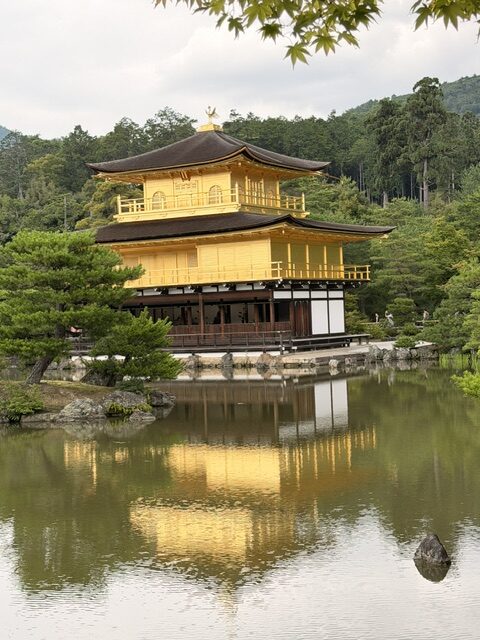
The temple is set within beautiful traditional Japanese gardens, making it a lovely place to take a leisurely walk while enjoying the scenery. The golden pavilion is especially impressive on a sunny day, when the sunlight highlights its bright exterior and creates a beautiful reflection on the water.
Kinkaku-ji is one of Kyoto’s most famous attractions, so it can get very busy, particularly during peak travel seasons. I recommend arriving earlier in the day if you want to enjoy the temple with fewer crowds and take better photographs.
Top tip: Allow around 1–2 hours to visit Kinkaku-ji and explore the surrounding gardens.
Explore Fushimi Inari Taisha and Its Iconic Red Torii Gates
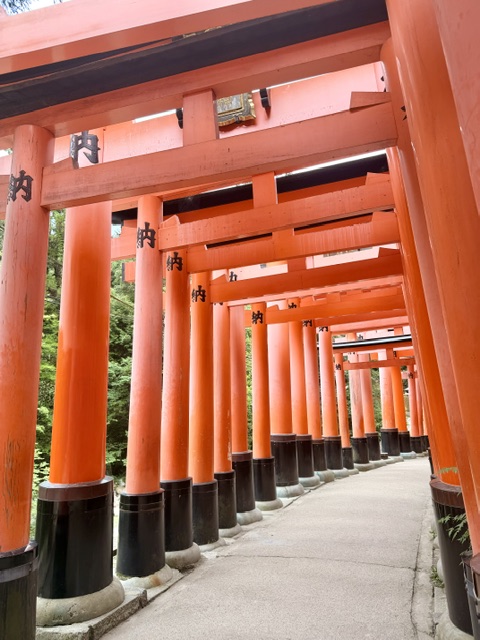
No trip to Kyoto is complete without visiting Fushimi Inari Taisha, one of the most famous and recognisable shrines in Japan. Located at the base of Mount Inari, this important Shinto shrine is best known for its thousands of bright orange-red torii gates, which wind their way through the forested mountainside.
Walking through the endless rows of torii gates is a truly unforgettable experience. The path leads up Mount Inari, with smaller shrines, statues and beautiful forest scenery along the way.
The full hike to the summit takes around 2–3 hours, but you do not need to complete the entire route to experience Fushimi Inari. Even the first section of the torii gates is incredibly impressive. It was super hot when we visited so we only went about half way up and as you can see from my photos it was still quiet enough to get good pictures with no one in the background.
Top Tip for Visiting Fushimi Inari
Everyone alway recommends visiting early in the morning to avoid the biggest crowds. If you continue further up the mountain, the crowds gradually become thinner and the atmosphere becomes much more peaceful. We visited mid morning and while it was crowded near the entrance once you continue on it does become quiet enough for good pictures. So no, I do not recommend the usual 6am start! Unless of course you are a morning person.
Discover Kiyomizu-dera Temple
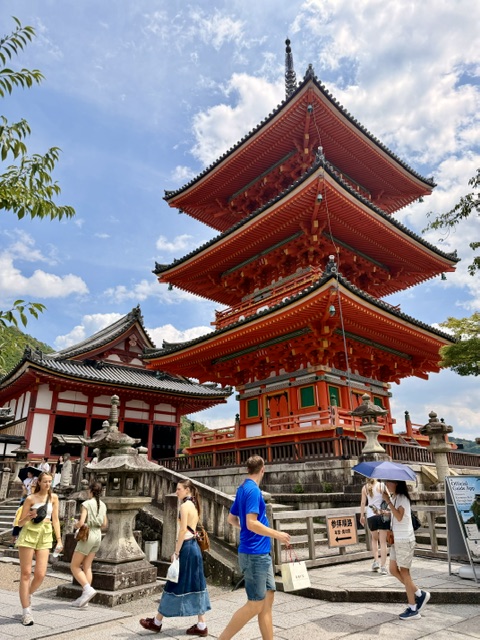
Kiyomizu-dera is one of Kyoto’s most famous and beautiful temples and should definitely be included on any first-time visit to the city. Perched on the hillside of eastern Kyoto, the temple offers stunning views across the city and is particularly beautiful during the cherry blossom and autumn seasons.
One of the most recognisable parts of the temple is the large wooden stage, which was built without nails and extends out from the hillside. The temple complex is also surrounded by beautiful traditional architecture, peaceful gardens and historic streets.
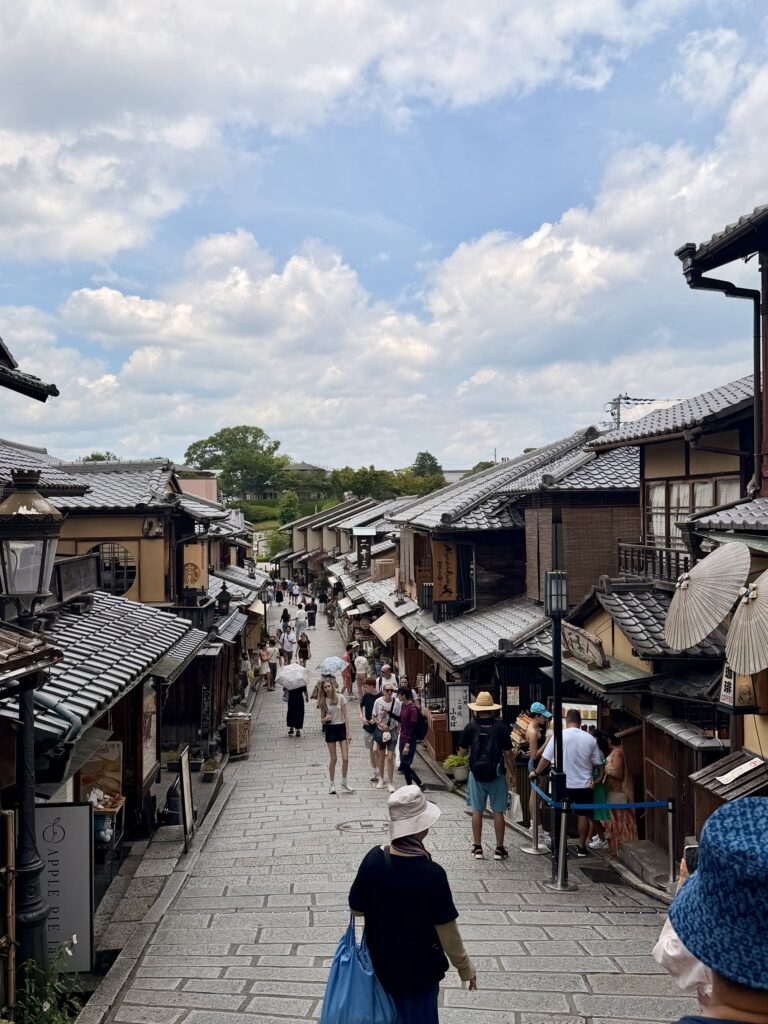
One of my favourite parts of visiting Kiyomizu-dera was exploring the traditional streets leading up to the temple. Ninenzaka and Sannenzaka are filled with charming shops, cafés and traditional buildings, making the walk to the temple just as enjoyable as the attraction itself.
Top tip: Kiyomizu-dera is incredibly popular, so arrive early in the morning or later in the afternoon if you want to experience the temple with fewer crowds.
Visit Arashiyama Bamboo Grove
One of the most famous places to visit in Kyoto is the Arashiyama Bamboo Grove. Walking through the towering bamboo stalks is a unique experience and one of the most recognisable sights in the city.
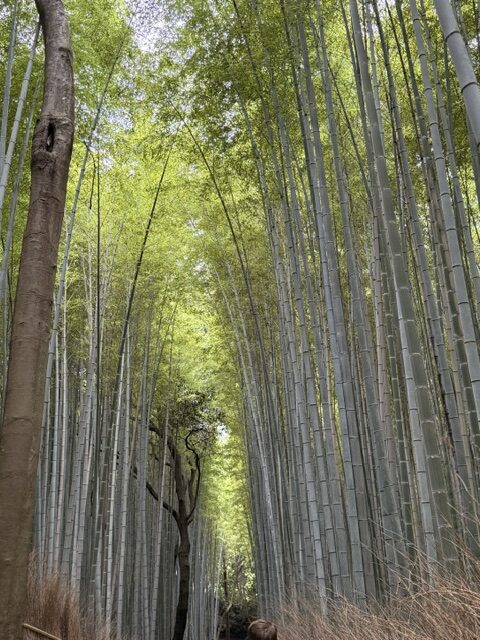
The bamboo grove creates a peaceful and atmospheric setting, with tall green bamboo stretching high above the pathway. It is a beautiful place to explore and makes for some incredible photographs.
While visiting Arashiyama, I recommend allowing plenty of time to explore the wider area rather than visiting the bamboo grove alone. You can also visit Tenryu-ji Temple, wander along the Katsura River and explore the charming streets and shops nearby.
Top tip: Arashiyama Bamboo Grove gets extremely busy during the day however it was around mid morning when we arrived and still found it to be quiet enough without being too intense.
Wander Through Kyoto’s Traditional Streets
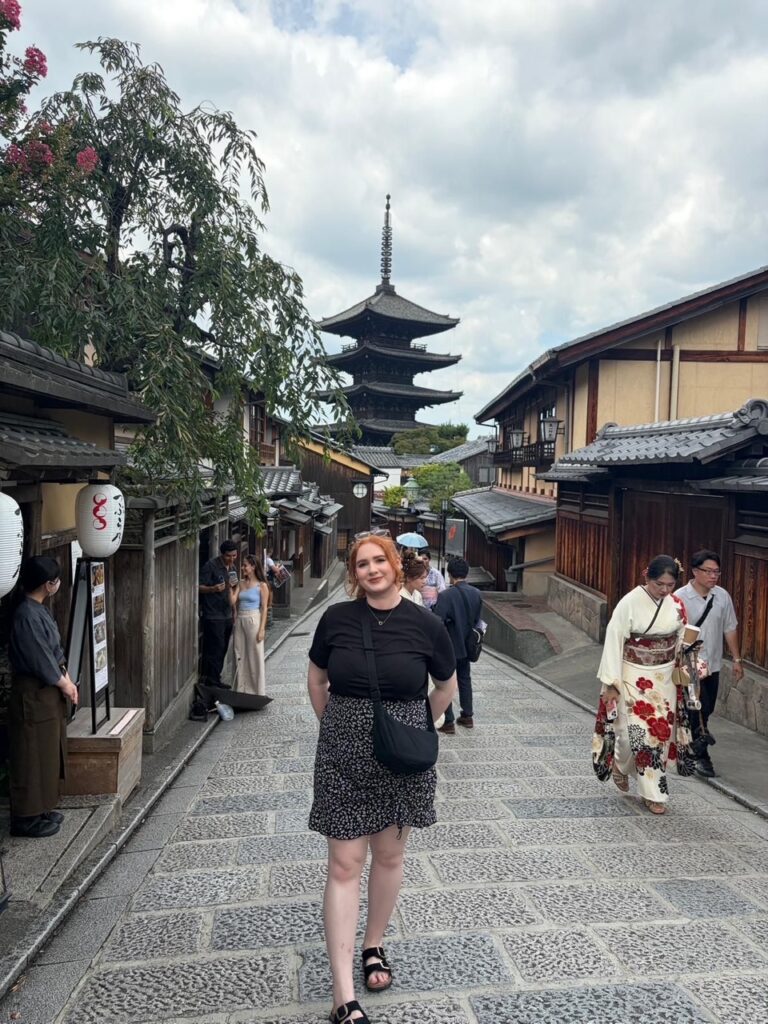
One of my favourite things to do in Kyoto was simply wander through the city’s traditional streets. Away from the busy main roads, you will find charming narrow lanes lined with beautifully preserved wooden buildings, traditional tea houses, small shops and local restaurants.
The historic neighbourhoods of Gion, Higashiyama and Pontocho are some of the best places to experience Kyoto’s traditional atmosphere. Walking through these areas feels like stepping back in time, with traditional architecture and winding streets around almost every corner.
The streets around Ninenzaka and Sannenzaka are particularly beautiful and are perfect for exploring at a relaxed pace. You can browse traditional shops, stop for Japanese snacks and enjoy the atmosphere of old Kyoto.
I recommend allowing yourself time to explore without a strict itinerary. Some of my favourite moments in Kyoto came from simply wandering through the traditional streets and seeing what we discovered along the way.
What to Eat in Kyoto
Kyoto is a fantastic destination for food lovers, with a unique food scene that combines traditional Japanese cuisine, fresh seasonal ingredients and local specialities. From delicious street food and traditional Kyoto dishes to matcha treats and incredible restaurants, there is plenty to try during your visit.
While exploring Kyoto, make sure to try some of these local favourites:
Yudofu (Tofu Hot Pot)
Kyoto is famous for its high-quality tofu, and yudofu is one of the city’s most traditional dishes. This simple tofu hot pot is often served with vegetables and dipping sauces and is especially popular around the city’s temple districts.
Kyoto-Style Kaiseki
For a special dining experience, try kaiseki, a traditional multi-course Japanese meal. Each dish is carefully prepared using seasonal ingredients and beautifully presented.
Matcha
Kyoto is one of Japan’s most famous matcha-producing regions, so trying matcha while visiting is a must. You will find everything from traditional matcha tea to matcha ice cream, cakes and other sweet treats.
Nishiki Market
Known as “Kyoto’s Kitchen,” Nishiki Market is one of the best places to sample a wide variety of local food. The covered market is filled with stalls selling everything from grilled seafood and Japanese pickles to sweets and snacks.
Traditional Japanese Sweets
Kyoto is also famous for its traditional Japanese sweets, known as wagashi. These beautifully crafted treats are often made using ingredients such as red bean paste, rice flour and matcha.
Whether you are looking for a quick snack while sightseeing or a traditional Japanese dining experience, Kyoto has an incredible variety of food to discover.
Where to Stay in Kyoto
Choosing where to stay in Kyoto depends on what you want to see and do during your trip. The city is spread across a large area, so staying in the right neighbourhood can make exploring Kyoto much easier.
For first-time visitors, Downtown Kyoto, Gion and Higashiyama are some of the most popular areas. These neighbourhoods offer easy access to many of Kyoto’s famous temples, traditional streets, restaurants and attractions.
Downtown Kyoto
Downtown Kyoto is a convenient area to stay, with plenty of restaurants, shops and excellent transport links. It is a great option if you want to be close to the action while still having easy access to the rest of the city.
Gion and Higashiyama
For a more traditional Kyoto experience, consider staying in Gion or Higashiyama. These areas are known for their historic streets, traditional wooden buildings, temples and beautiful atmosphere.
Kyoto Station
Staying near Kyoto Station is a great option if you are planning to take day trips or travel around Japan. The area has excellent transport links and a wide range of accommodation options. This is personally where we stayed as we are traveling around Japan so being close to transfer links made sense for us.
Arashiyama
If you prefer a quieter and more scenic area, Arashiyama is a beautiful place to stay. You will be close to the famous bamboo grove, temples and the Katsura River, although it is further from central Kyoto.
For a first visit, I would personally recommend staying somewhere central, as this makes it easier to explore Kyoto’s main attractions and enjoy the city’s restaurants and traditional neighbourhoods in the evening.
Frequently Asked Questions About Visiting Kyoto
How many days do you need in Kyoto?
I recommend spending at least three days in Kyoto to see the city’s main attractions without feeling too rushed. If you have more time, four or five days allows you to explore at a slower pace and take day trips to nearby destinations such as Nara or Uji.
What is the best time to visit Kyoto?
The best time to visit Kyoto is generally during spring and autumn, when the weather is pleasant and the scenery is beautiful. Spring is famous for cherry blossoms, while autumn brings colourful foliage. Summer can be hot and humid, but it also offers the chance to experience festivals such as the famous Gion Matsuri.
What is the most famous temple in Kyoto?
Kinkaku-ji, also known as the Golden Pavilion, is one of Kyoto’s most famous temples. Its beautiful golden exterior and peaceful pond make it one of the city’s most iconic sights.
Is Kyoto expensive to visit?
Kyoto can be visited on a range of budgets. While accommodation and some traditional dining experiences can be expensive, there are also plenty of affordable restaurants, free temples and budget-friendly activities available.
What food is Kyoto famous for?
Kyoto is known for dishes such as yudofu (tofu hot pot), kaiseki cuisine, matcha and traditional Japanese sweets. Nishiki Market is also a great place to sample a variety of local foods and snacks.
Is Kyoto easy to get around?
Yes, Kyoto is relatively easy to explore using a combination of trains, buses and walking. Many of the main attractions are spread across different areas of the city, so planning your route in advance can help you make the most of your time.
Is Kyoto worth visiting?
Absolutely! Kyoto is one of my favourite places I have visited in Japan so far. With its incredible temples, traditional streets, delicious food and rich history, it is a destination that deserves a place on any Japan itinerary.