
Nikko National Park: The Best Things To Do
Just a couple of hours north of Tokyo, Nikko National Park is one of Japan’s most spectacular destinations, combining UNESCO World Heritage sites, dramatic waterfalls, peaceful lakes, mountain hiking trails, and traditional hot spring towns. Whether you’re planning a day trip from Tokyo or spending a few days exploring the region, there are plenty of unforgettable experiences waiting for you.
In this guide, we’ll cover the best things to do in Nikko National Park, from visiting the ornate Toshogu Shrine and admiring the breathtaking Kegon Falls to cruising across Lake Chuzenji, hiking through beautiful mountain scenery, and relaxing in a traditional Japanese onsen. After exploring Nikko ourselves, we’ve included our favourite attractions along with practical travel tips to help you plan the perfect visit.
Nikko National Park at a Glance
Located around 125 kilometres (78 miles) north of Tokyo, Nikko National Park is one of Japan’s most beautiful and diverse national parks. Covering parts of Tochigi, Gunma, Fukushima, and Niigata prefectures, it is renowned for its UNESCO World Heritage temples and shrines, spectacular waterfalls, volcanic mountains, scenic lakes, and relaxing hot spring towns.
The park is a popular destination for both day trips and longer stays, offering something for every type of traveller. History lovers can admire the intricate architecture of Toshogu Shrine, outdoor enthusiasts can hike through alpine landscapes and visit waterfalls like Kegon Falls and Ryuzu Falls, while those seeking relaxation can unwind in one of the region’s traditional onsens.
Location: Tochigi Prefecture (extending into Gunma, Fukushima, and Niigata)
Nearest City: Nikko
Famous For: Toshogu Shrine, Kegon Falls, Lake Chuzenji, Shinkyo Bridge, hiking, autumn colours, and natural hot springs
Best Time to Visit: Autumn (October to November) for vibrant foliage, spring (April to May) for cherry blossoms and fresh greenery, and summer for hiking and cooler mountain temperatures.
Recommended Visit: 1–2 days, although 3 days allows you to explore the national park’s hiking trails, waterfalls, and onsen towns at a more relaxed pace.
Best Things to Do in Nikko National Park
From centuries-old shrines and temples to cascading waterfalls, peaceful lakes, and scenic mountain trails, Nikko National Park offers some of Japan’s most unforgettable experiences. Whether you’re visiting on a day trip from Tokyo or spending several days exploring the area, there’s no shortage of incredible sights to discover. Below are the best things to do in Nikko National Park, including its most famous landmarks, hidden gems, and outdoor adventures that make this UNESCO-listed destination well worth adding to your Japan itinerary.
Visit Toshogu Shrine
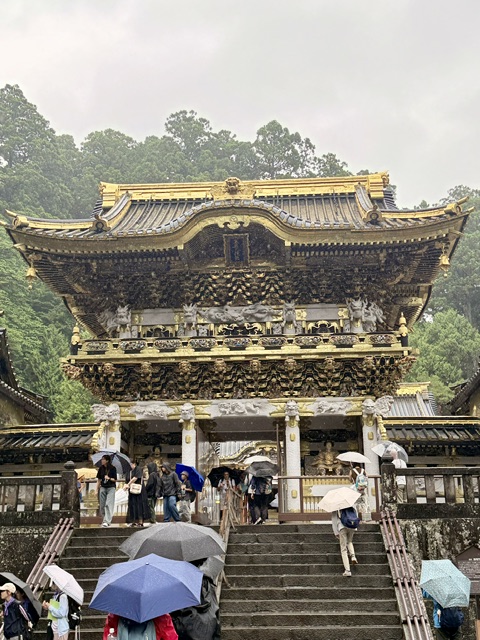
No visit to Nikko National Park is complete without exploring Toshogu Shrine, the region’s most famous attraction and a UNESCO World Heritage Site. Built in the 17th century as the final resting place of Tokugawa Ieyasu, the founder of the Tokugawa Shogunate, the shrine stands out for its lavish gold detailing, intricate wood carvings, and colourful architecture.
As you wander through the forested complex, don’t miss the iconic Three Wise Monkeys carving, the famous Sleeping Cat, and the beautifully decorated Yomeimon Gate. Allow at least two to three hours to fully explore the grounds, especially if you’re also visiting the neighbouring Rinno-ji Temple and Futarasan Shrine.
Admire Kegon Falls
One of Japan’s three most famous waterfalls, Kegon Falls plunges nearly 100 metres from Lake Chuzenji into the valley below. It’s one of Nikko National Park’s most spectacular natural attractions and is particularly breathtaking during autumn when vibrant red, orange, and yellow leaves surround the falls.
You can admire the waterfall from a free observation platform or pay a small fee to take the elevator down to the lower viewing deck for a closer look. If you visit in winter, the frozen waterfall creates an equally impressive sight.
Explore Lake Chuzenji
Nestled at the foot of Mount Nantai, Lake Chuzenji offers a peaceful escape surrounded by mountains and forests. Formed by volcanic activity over 20,000 years ago, the lake is the perfect place to slow down after visiting Nikko’s temples.
Take a scenic boat cruise, hire a kayak, enjoy a lakeside walk, or stop at one of the cafés overlooking the water. During autumn, the colourful foliage reflected on the lake creates one of the most photographed landscapes in Japan.
Cross the Famous Shinkyo Bridge
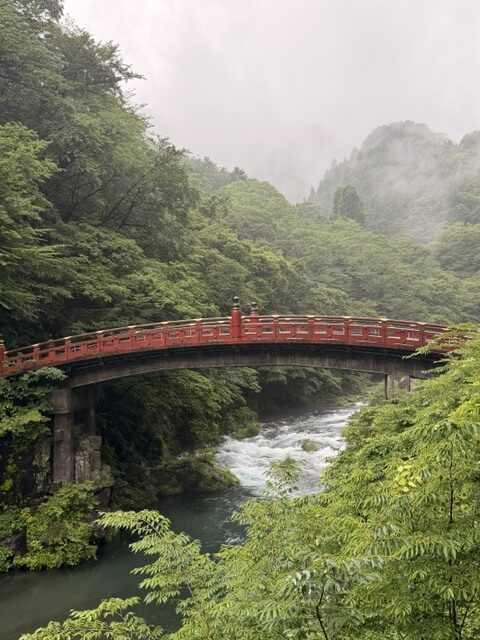
Often considered one of Japan’s most beautiful bridges, the striking vermilion Shinkyo Bridge marks the traditional entrance to Nikko’s sacred temple and shrine area. Crossing the bridge offers fantastic views of the Daiya River and surrounding forest.
Although many visitors simply photograph the bridge from the roadside, you can also pay a small entrance fee to walk across it and appreciate its history and craftsmanship up close.
Relax in a Traditional Onsen
After a day of sightseeing and hiking, there’s no better way to unwind than soaking in one of Nikko National Park’s natural hot springs. The nearby Oku-Nikko area is home to several traditional onsen hotels and public bathhouses, where you can relax while surrounded by beautiful mountain scenery.
Many ryokans offer both indoor and outdoor baths, making it an ideal way to experience one of Japan’s most treasured traditions.
Hike Through Nikko National Park
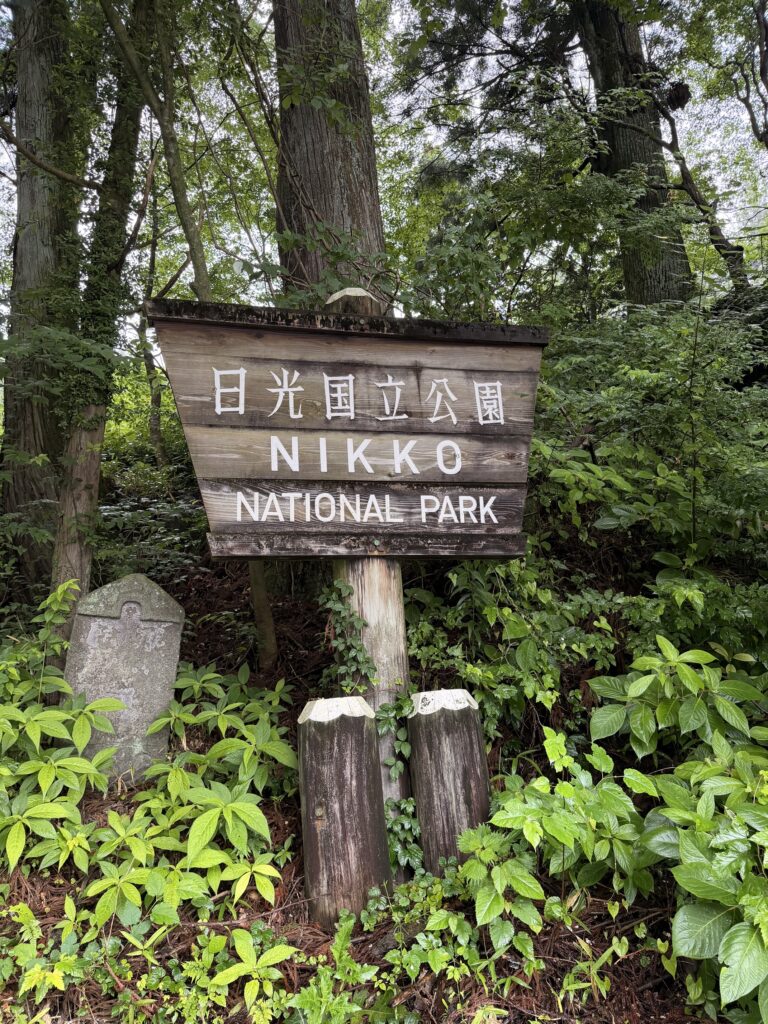
With volcanic mountains, waterfalls, forests, and scenic marshlands, Nikko National Park is a paradise for hikers. Trails range from short nature walks to challenging full-day mountain hikes.
Popular routes include the Senjogahara Marshland Trail, which is suitable for most fitness levels, and the climb to the summit of Mount Nantai for those looking for a more demanding adventure. Along the way you’ll encounter waterfalls, wildlife, and panoramic views across the national park.
Visit Ryuzu Falls
Less crowded than Kegon Falls but equally beautiful, Ryuzu Falls is famous for its unique split waterfall, which resembles a dragon’s head—giving the falls their name. The surrounding forest is especially colourful during autumn, attracting photographers from across Japan.
A small teahouse overlooking the falls is the perfect place to stop for a drink while enjoying the scenery.
Drive the Irohazaka Winding Road
The journey between central Nikko and Lake Chuzenji is an attraction in itself. The Irohazaka Winding Road features 48 sharp hairpin bends as it climbs into the mountains, with spectacular viewpoints along the way.
Whether you’re driving or travelling by bus, the road offers some of the region’s best autumn foliage and impressive mountain vistas.
Explore Kanmangafuchi Abyss
For a quieter experience away from the crowds, head to Kanmangafuchi Abyss. This peaceful riverside walking trail follows a dramatic lava gorge and is lined with dozens of moss-covered Jizo statues, each said to protect travellers and children.
The tranquil atmosphere makes it one of Nikko’s hidden gems and a perfect spot for photography.
Discover Rinno-ji Temple
Founded in the 8th century, Rinno-ji Temple is Nikko’s oldest Buddhist temple and an important part of the city’s UNESCO World Heritage Site. Inside the main hall you’ll find three impressive gold-lacquered Buddha statues representing Nikko’s sacred mountains.
Be sure to visit the beautiful Shoyo-en Garden, particularly during autumn when it becomes one of the area’s most colourful spots.
Visit Futarasan Shrine
Located beside Toshogu Shrine, Futarasan Shrine is dedicated to the deities of Nikko’s three sacred mountains. Surrounded by towering cedar trees, the shrine has a peaceful atmosphere and often receives fewer visitors than its famous neighbour.
It’s worth taking time to explore the shrine grounds, which include several smaller shrines, sacred bridges, and forest paths.
Step Back in Time at Edo Wonderland Nikko Edomura
If you’re travelling with family or looking for something different, Edo Wonderland Nikko Edomura offers an interactive look at life during Japan’s Edo period. The historical theme park features recreated streets, samurai performances, ninja shows, traditional crafts, and opportunities to dress in period costumes.
It’s a fun way to experience Japanese history beyond the temples and natural scenery, making it a great addition to a two or three-day Nikko itinerary.
Frequently Asked Questions About Nikko National Park
Is Nikko National Park worth visiting?
Absolutely! Nikko National Park is one of Japan’s most beautiful destinations, combining stunning natural landscapes with UNESCO World Heritage shrines and temples. From the famous Toshogu Shrine and Kegon Falls to Lake Chuzenji, scenic hiking trails and traditional hot springs, it’s an excellent destination for nature lovers, photographers and history enthusiasts alike.
Can you visit Nikko National Park as a day trip from Tokyo?
Yes. Nikko National Park is one of the most popular day trips from Tokyo, with direct trains taking around 2 hours. While you can visit the main attractions in a day, staying overnight allows you to explore the park at a more relaxed pace and enjoy its peaceful atmosphere after the day-trip crowds have left.
What is Nikko National Park famous for?
Nikko National Park is best known for its UNESCO-listed Toshogu Shrine, the spectacular Kegon Falls, Lake Chuzenji, the scenic Irohazaka Winding Road, beautiful hiking trails and traditional mountain hot springs. It’s also one of Japan’s best destinations for autumn foliage.
When is the best time to visit Nikko National Park?
The best time to visit is October to early November, when the park’s forests are transformed by vibrant autumn colours. However, spring offers pleasant weather and cherry blossoms, summer is ideal for hiking, and winter brings beautiful snowy scenery and relaxing onsen experiences.
How many days do you need in Nikko National Park?
A 2-day trip is ideal for most visitors, giving you enough time to explore both Nikko’s historic shrines and the park’s natural attractions. If you’re short on time, a day trip from Tokyo is still a great option.
Do you need a car to visit Nikko National Park?
No. Most visitors explore Nikko National Park using the excellent train and bus network. Regular buses connect Nikko Station with major attractions such as Toshogu Shrine, Lake Chuzenji, Kegon Falls and Yumoto Onsen. Hiring a car can be useful if you want to visit more remote hiking trails or travel at your own pace.
Is Nikko National Park good for hiking?
Yes! Nikko National Park offers hiking trails for all abilities. Easy walks include the Senjogahara Marshland Trail, while more experienced hikers can tackle Mount Nantai for incredible panoramic views over the park.
Is there an entrance fee for Nikko National Park?
No, entry to Nikko National Park is free. However, some attractions within the park, including Toshogu Shrine, the lower viewing platform at Kegon Falls, and certain museums or gardens, charge separate admission fees.
Can you visit Nikko National Park year-round?
Yes. Nikko National Park is open throughout the year, and every season offers something different. Spring brings blossoms, summer is perfect for hiking, autumn showcases spectacular foliage, and winter transforms the park into a snowy wonderland with excellent hot spring experiences.