
The 12 Most Instagrammable Spots in Marrakesh, Morocco
Marrakesh is a city made for the camera — a kaleidoscope of terracotta walls, lush gardens, ornate riads and sun‑drenched rooftops that feel like they were designed with Instagram in mind. Whether you’re wandering through the maze of souks or sipping mint tea above the medina, the Red City delivers photogenic moments at every turn. Here are the most unmissable spots to capture Marrakesh at its most magical.
The Most Instagrammable Spots in Marrakesh
Marrakesh is one of the most photogenic cities in Morocco, with colourful souks, intricate architecture, beautiful courtyards and traditional riads around every corner. Whether you’re looking for the perfect Instagram shot or simply want to capture memories of your trip, there are plenty of incredible photo spots to discover.
From the vibrant streets of the Medina to the city’s stunning palaces and peaceful gardens, the best photos often come from taking your time to explore. Here are the most Instagrammable spots in Marrakesh that we recommend adding to your itinerary, along with a few tips to help you make the most of each location.
In a hurry? Looking for somewhere to stay in Marrakesh?
💰Budget Friendly: Riad Zaid
💰💰Mid Range: Riad Ghali Hotel & Spa
💰💰💰Treat Yourself: Monriad Marrakesh
1. Jardin Majorelle
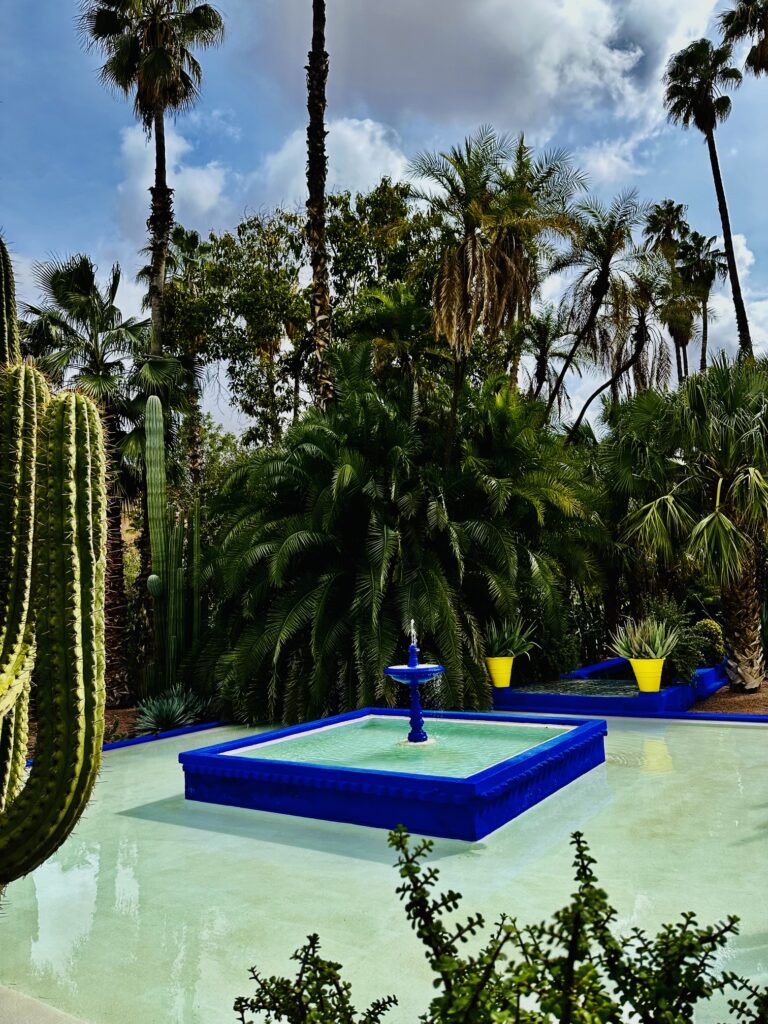
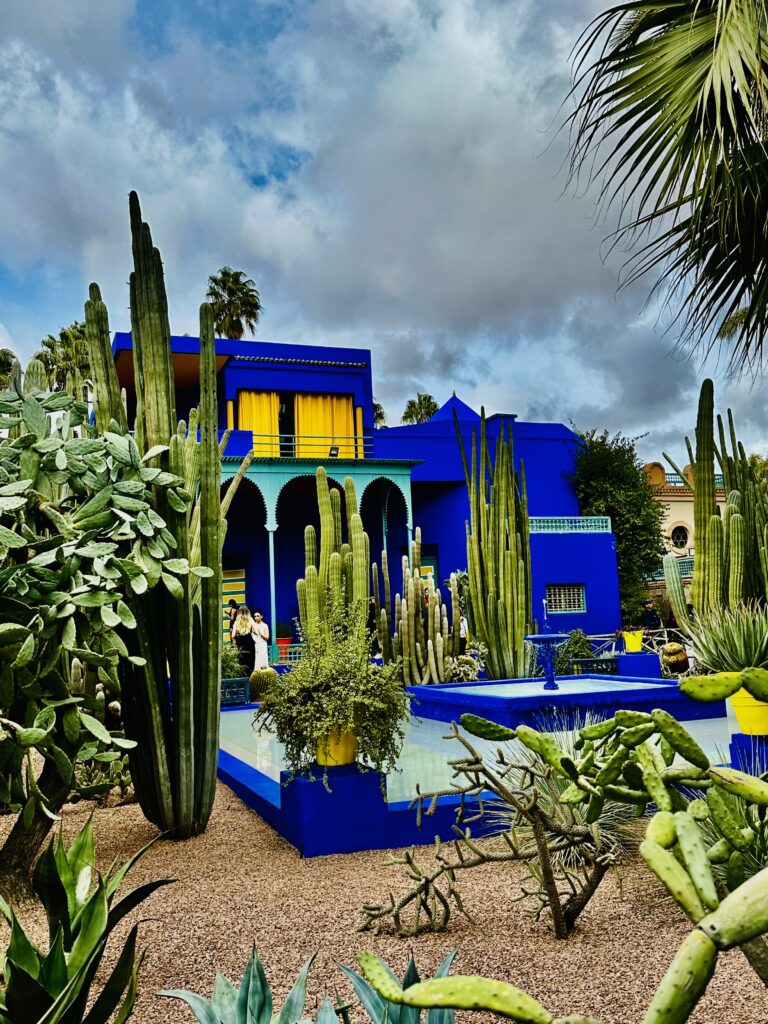
Jardin Majorelle is one of the most famous and photogenic places in Marrakesh. This beautiful botanical garden is known for its striking cobalt-blue buildings, vibrant yellow details and lush greenery. The contrast between the vivid architecture and the tropical plants makes it a fantastic spot for colourful holiday photos.
As you wander through the garden, you’ll find plenty of different backdrops, from towering cacti and bamboo to peaceful pathways and bright blue walls. It’s easy to see why Jardin Majorelle is one of the most photographed attractions in the city.
Our tip: Visit as early as possible to enjoy the gardens before they become too crowded. Make sure you check the latest ticket information and photography rules before your visit.
2. Ben Youssef Madrasa
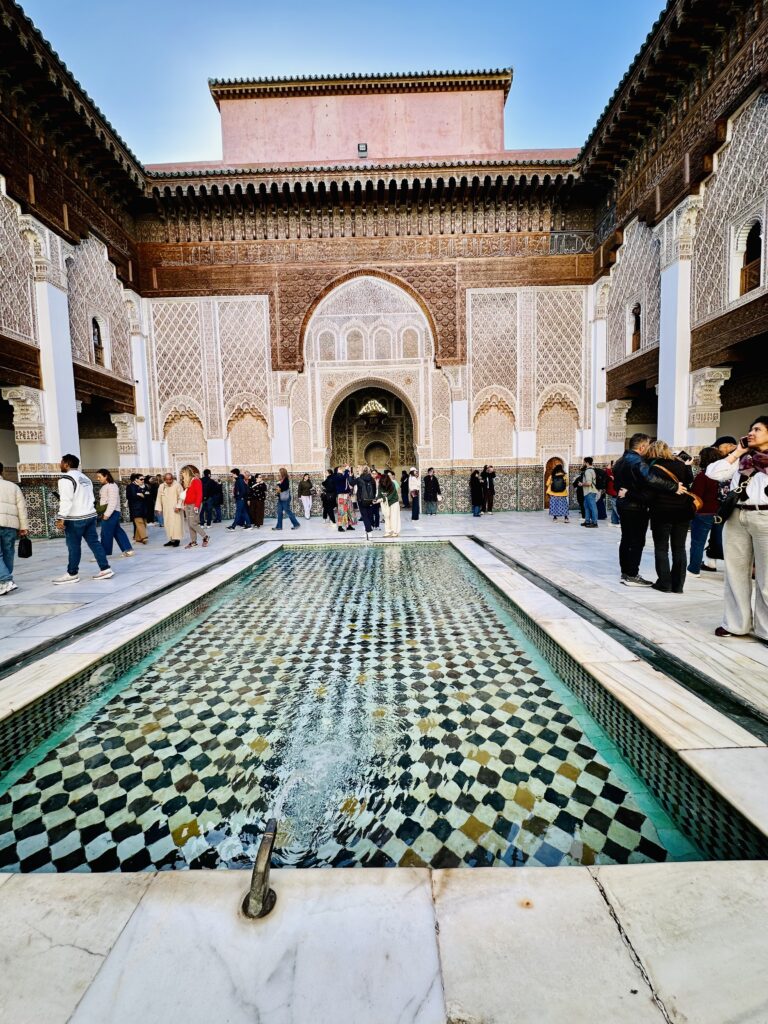
Ben Youssef Madrasa is one of the most beautiful historic buildings in Marrakesh and a must-visit for anyone who loves architecture and photography. This former Islamic college is famous for its intricate Moroccan craftsmanship, with detailed zellige tiles, carved stucco and beautifully decorated cedarwood.
The central courtyard is the standout photo spot. Its peaceful atmosphere and ornate details create a stunning backdrop, while the upper levels offer different perspectives of the courtyard and surrounding architecture. Look closely at the walls and doorways too, as the intricate patterns are just as impressive in close-up photographs.
Our tip: Arrive early in the day if you want to capture the courtyard with fewer people in your photos. Take your time exploring the upper floor as well, where you can appreciate the craftsmanship from a different angle.
3. The Colourful Souks of the Medina
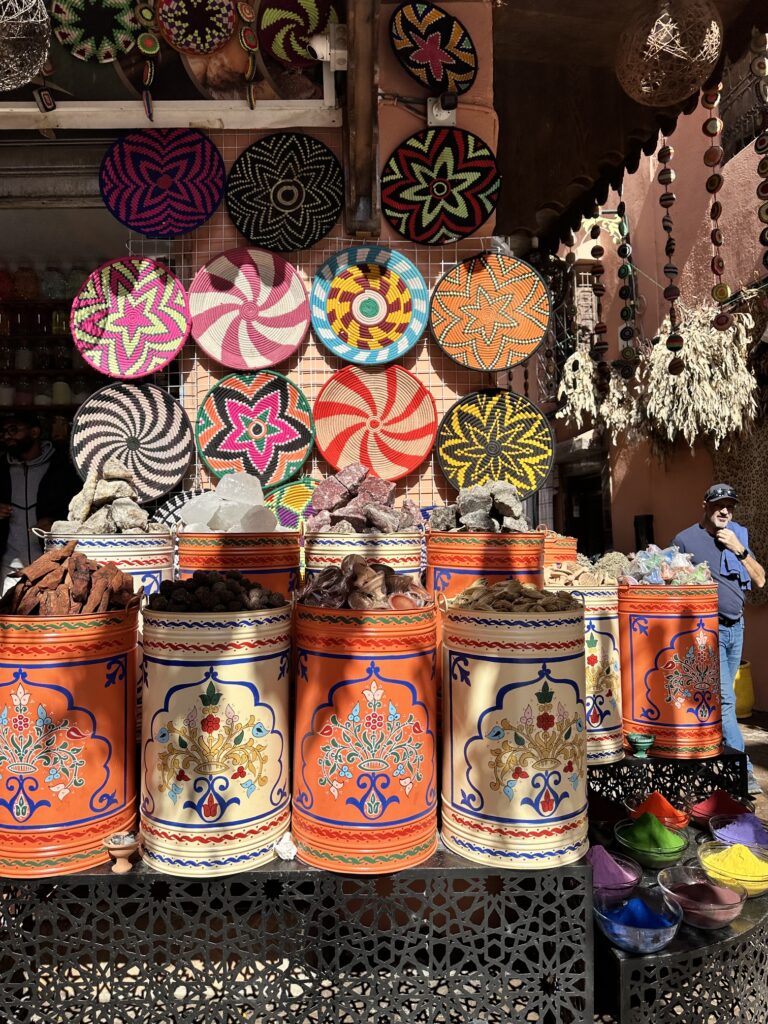
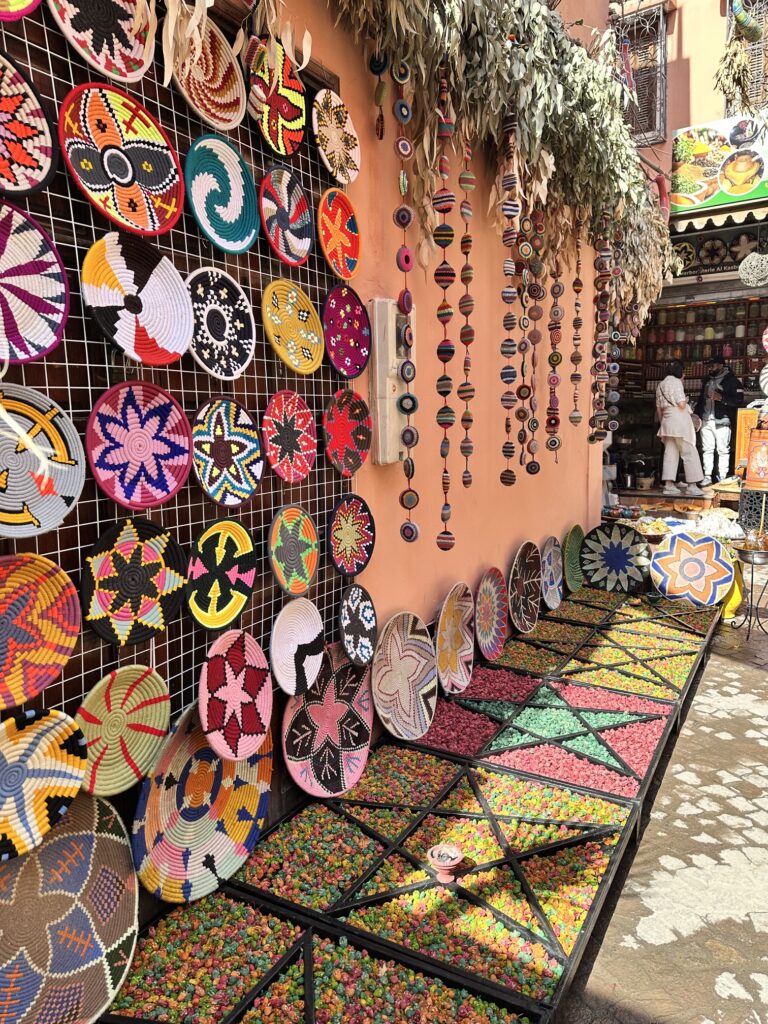
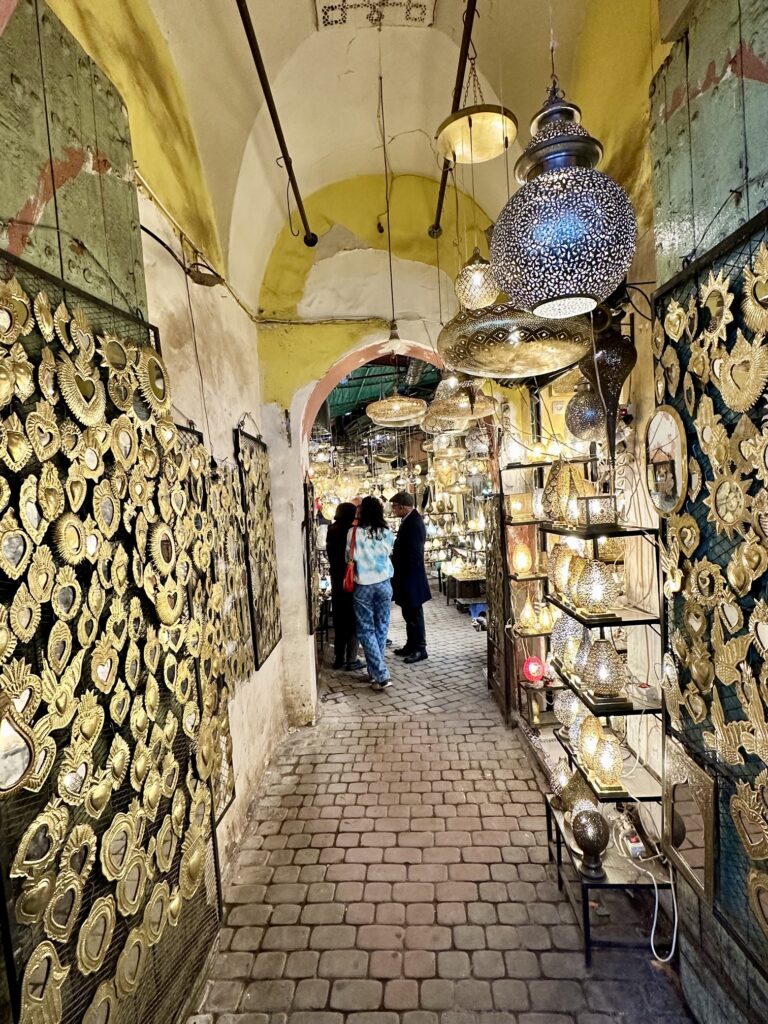
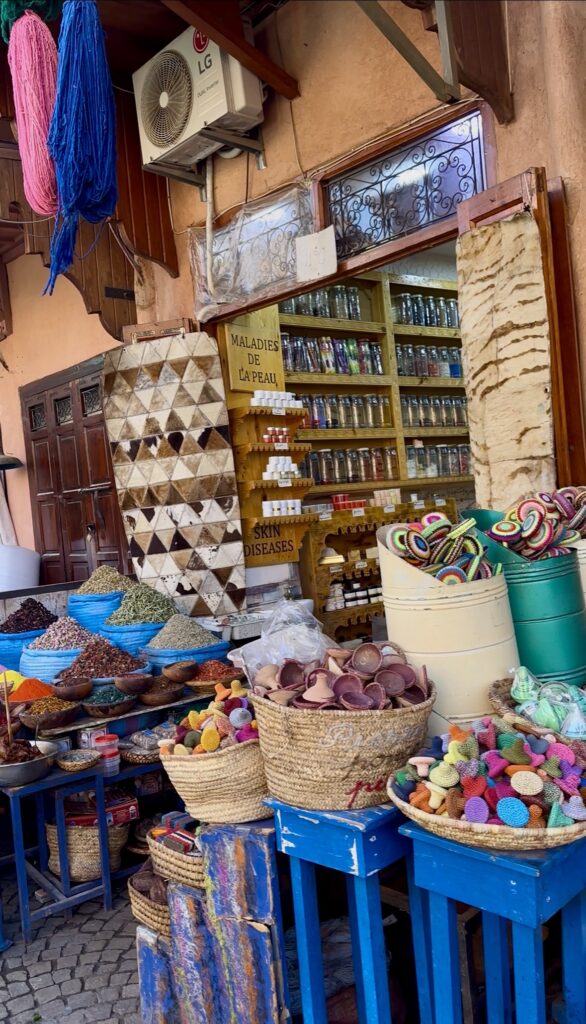
You can’t visit Marrakesh without exploring the colourful souks of the Medina. For us, wandering through the narrow alleyways and browsing the stalls was one of the most memorable parts of experiencing the city. The souks are full of colour, with everything from leather bags and handmade ceramics to patterned textiles, colourful lamps, spices and traditional Moroccan souvenirs.
The stalls make fantastic photo opportunities, especially where bright displays of goods fill the doorways and narrow streets. You’ll also find beautiful architectural details, traditional wooden doors and little corners that are easy to miss if you’re rushing through.
Our tip: Allow plenty of time to wander without a fixed route. The best photo spots often appear when you least expect them. Be respectful when taking pictures of shopkeepers or their goods, and always ask permission before photographing people or a specific stall.
4. Jemaa el-Fnaa Square
Jemaa el-Fnaa is one of the most iconic places in Marrakesh and a great spot for capturing the city’s lively atmosphere. During the day, you’ll find juice stalls, market vendors and people weaving through the square. As evening approaches, the area becomes even busier as food stalls open and the square fills with activity.
For photography, we’d recommend visiting both during the day and after dark. The changing atmosphere gives you two very different perspectives of the same place. In the evening, the food stalls, rising steam and glowing lights create a particularly memorable scene.
Our tip: Head to one of the rooftop cafés overlooking Jemaa el-Fnaa for a fantastic view across the square. It’s a great place to take photos from above while enjoying a drink and watching Marrakesh come to life.
5. Bahia Palace
Bahia Palace is another must-visit for anyone searching for the most Instagrammable spots in Marrakesh. Built in the 19th century, the palace is known for its elegant courtyards, colourful mosaics, carved wooden ceilings and intricate decorative details. Every area has something different to photograph, making it easy to spend time exploring with your camera.
Look out for the beautifully tiled floors, ornate archways and peaceful courtyards surrounded by traditional Moroccan architecture. The combination of geometric patterns, warm colours and natural light makes this one of the city’s most photogenic historic attractions.
Our tip: Take your time rather than focusing only on the main courtyard. Some of the smaller rooms and passageways have equally impressive details. Try visiting earlier in the day to avoid the busiest crowds and give yourself more opportunities for photos.
6. Le Jardin Secret
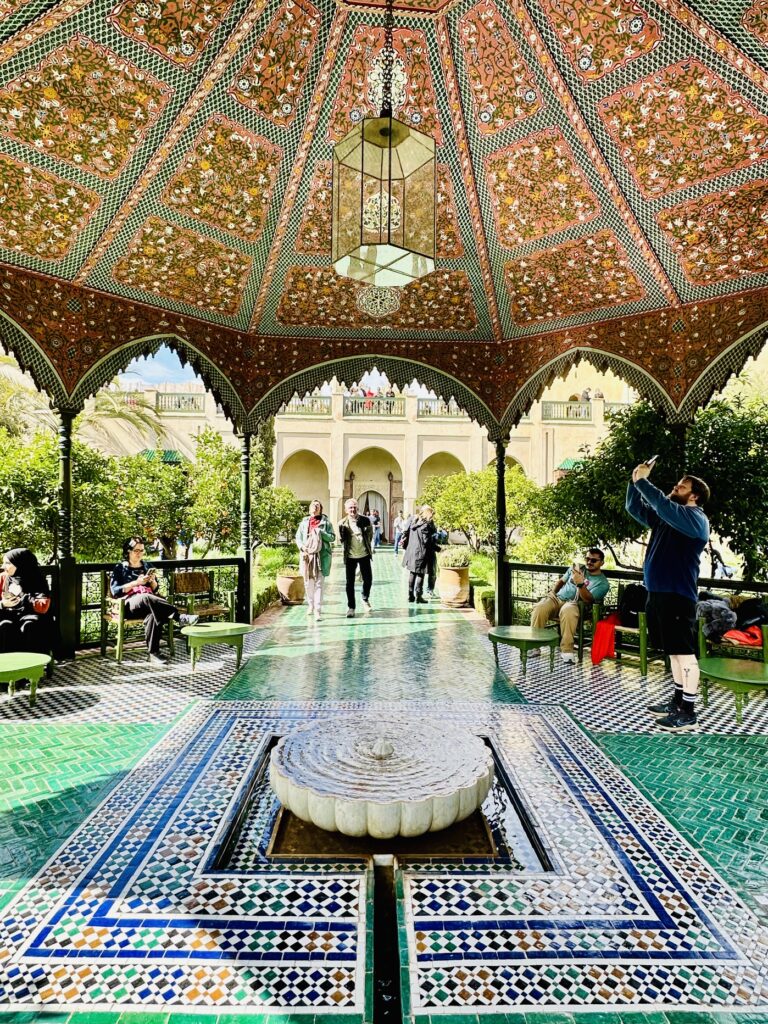
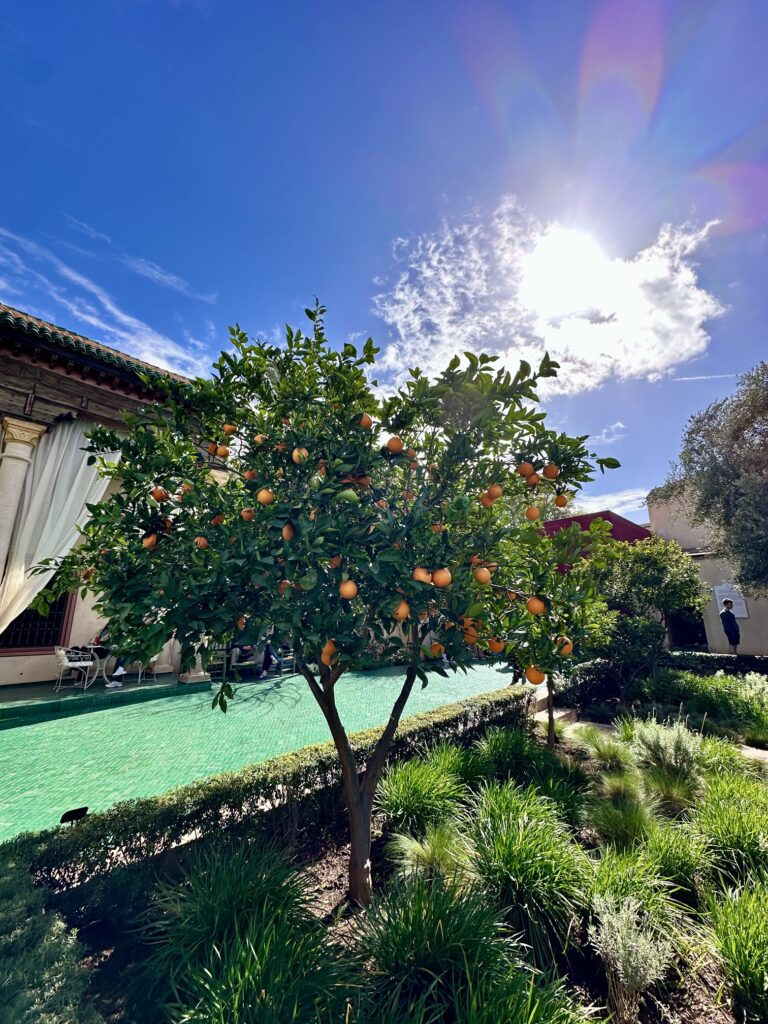
If you’re looking for somewhere a little quieter to take photos, Le Jardin Secret is well worth adding to your Marrakesh itinerary. Hidden within the Medina, this historic garden offers a peaceful escape from the busy streets outside. Inside, you’ll find lush greenery, traditional Islamic garden design, colourful tiles and beautiful water features.
The garden’s symmetrical pathways and carefully arranged plants make it especially photogenic. You can capture everything from wide shots of the gardens to close-ups of the decorative architecture and intricate details. It’s also a lovely place to slow down and take a break from exploring the souks.
Our tip: Look for different viewpoints around the garden, including elevated views if access is available during your visit. These offer a lovely perspective over the greenery and surrounding Medina rooftops. Check the current opening times and entrance fees before you go.
7. The Streets and Alleys of the Medina
Some of the most Instagrammable spots in Marrakesh aren’t famous attractions at all. They’re the streets and alleyways you’ll discover while exploring the Medina. From colourful doorways and traditional Moroccan architecture to intricate tiles and little shops tucked between historic buildings, there’s something photogenic around almost every corner.
We loved wandering through the Medina and taking our time to see what we could find. It’s easy to get caught up in the busy souks, but look beyond the stalls and you’ll notice plenty of beautiful details that make Marrakesh so unique. The contrast between the terracotta walls, colourful doors and decorative archways creates a lovely backdrop for travel photos.
Our tip: Put your map away occasionally and explore at your own pace. Some of the best photo opportunities are found down quieter side streets. Be mindful of residents going about their daily lives and avoid photographing people without their permission.
8. Koutoubia Mosque and Its Gardens
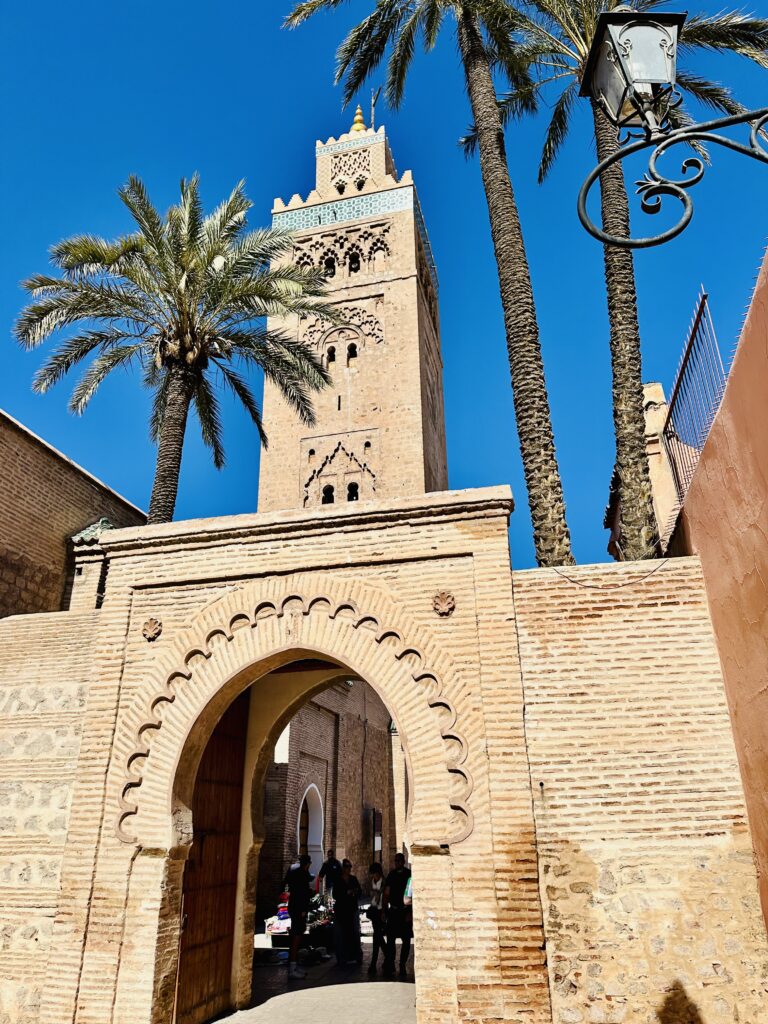
Koutoubia Mosque is one of the most recognisable landmarks in Marrakesh. Its impressive minaret rises above the surrounding city, making it a beautiful subject for photos, particularly when viewed from the nearby gardens. Even if you’re not visiting for the architecture alone, it’s worth stopping here while exploring the Medina.
The surrounding gardens offer open spaces, palm trees and pathways that frame the mosque beautifully. They’re a lovely place to take a break from the busy streets and capture the building from different angles. The warm tones of the minaret also look particularly striking in the softer light of early morning or late afternoon.
Our tip: Walk around the gardens to find a clear view of the minaret rather than taking all your photos from the same spot. Remember that Koutoubia Mosque is an active religious site, and non-Muslims cannot enter the prayer hall, so plan to photograph it from the surrounding public areas.
9. Traditional Moroccan Riads
Traditional Moroccan riads are among the most beautiful places to stay in Marrakesh, and many are incredibly photogenic. These traditional homes are built around an internal courtyard, often featuring intricate tilework, carved details, greenery and a peaceful central fountain. Some also have rooftop terraces with views across the Medina.
We stayed at Riad Zaid and found it to be the perfect base for exploring Marrakesh. We particularly enjoyed the traditional Moroccan breakfast served every morning. Staying in a riad also gave us a chance to experience the character and hospitality that make this style of accommodation so special.
When booking your stay, look for riads with beautiful courtyards, traditional decor or rooftop spaces if photography is important to you. However, remember that a riad is also someone’s accommodation business, so be respectful of other guests and check before taking photos in shared areas.
Our tip: If you’re choosing a riad partly for its photo opportunities, look at recent guest photos rather than relying only on professional listing images. This will give you a better idea of what the courtyard, rooms and rooftop really look like.
10. Rooftop Terraces Overlooking the Medina
One of the best ways to appreciate Marrakesh is from above. The Medina is full of rooftop cafés and restaurants where you can enjoy views across the city’s terracotta rooftops, spot traditional minarets and watch the streets come to life below. These terraces are fantastic places to capture the city’s atmosphere without being in the middle of the busy streets.
Many rooftops also have colourful seating, traditional Moroccan lanterns and decorative tiles that make lovely photo backdrops. Visit during the late afternoon for softer lighting, or stay into the evening to capture the rooftops as the city lights begin to glow.
Our tip: Jemaa el-Fnaa is a particularly good area to look for rooftop terraces, as you’ll get views over the famous square. Most cafés and restaurants expect you to buy something if you’re using their terrace, so enjoy a mint tea, fresh juice or meal while taking in the view.
11. El Badi Palace
If you love historic architecture, El Badi Palace is another of the most Instagrammable spots in Marrakesh. Although much of the palace now lies in ruins, its enormous courtyards, towering walls and impressive scale make it a fascinating place to photograph. The remains offer a different look at Morocco’s history compared with the intricate decorations found at Bahia Palace and Ben Youssef Madrasa.
As you explore, look out for the sunken gardens, long reflecting pools and panoramic views from the higher sections of the complex. The earthy tones of the ruins contrast beautifully with the blue Moroccan sky, while the wide open spaces allow you to experiment with different compositions.
Our tip: Allow time to explore beyond the main courtyard. Climbing to the accessible higher viewpoints gives you a different perspective over the palace and surrounding city. Earlier in the day or later in the afternoon can be more comfortable for exploring, particularly during the hotter months.
12. The Agafay Desert
For something completely different from Marrakesh’s colourful streets and historic buildings, consider taking a trip to the Agafay Desert. Located around 30–45 minutes from the city by car, this rocky desert landscape offers rolling hills, dramatic scenery and wide-open views that feel a world away from the Medina.
Agafay is especially photogenic around sunset, when the changing light creates warm tones across the hills. Many desert camps also have swimming pools, stylish lounge areas and traditional Moroccan decor, giving you plenty of opportunities for photos. You can visit for a pool day or book a desert experience that includes a meal or other activities.
It’s worth knowing that Agafay is a rocky desert rather than a sandy desert with towering dunes like the Sahara. However, its rugged landscape still makes a beautiful backdrop for travel photos and offers a memorable change of scenery.
Our tip: If you want to capture the landscape at its best, look for an experience that allows you to stay until sunset. Check what’s included in the price before booking, as transport, meals, pool access and activities can vary between camps.
Tips for Taking Photos in Marrakesh
Marrakesh is full of incredible photo opportunities, but a little planning can make a big difference when it comes to capturing the best shots. From avoiding the busiest crowds to knowing what to wear, these are our top tips for photographing the city and making the most of its colourful streets and beautiful architecture.
Visit Popular Photo Spots Early in the Morning
If there’s one tip we’d recommend, it’s to visit Marrakesh’s most popular attractions early in the morning. Places such as Ben Youssef Madrasa, Jardin Majorelle and Bahia Palace can get very busy, making it harder to capture photos without other visitors in the background.
Arriving early also means you’ll often get softer natural light, which is ideal for photography. It’s particularly useful if you want to capture architectural details, colourful gardens or quieter streets in the Medina.
For rooftop photos, late afternoon can also be a great option, especially if you want to capture the warm light over the terracotta rooftops. Just remember to check opening times before planning your day around a particular attraction.
Make the Most of Marrakesh’s Colourful Architecture
One of the things that makes Marrakesh so photogenic is its incredible architecture. From the blue walls and greenery of Jardin Majorelle to the intricate tiles at Ben Youssef Madrasa, the city offers plenty of opportunities to capture colour, patterns and textures.
Don’t focus only on wide shots of famous landmarks. Look for smaller details such as decorative doorways, carved wooden ceilings, mosaic tiles and traditional lanterns. These can make beautiful photos and help capture the character of the city.
It’s also worth experimenting with different angles. Frame a doorway around a courtyard, use an archway to create depth or capture the contrast between a terracotta wall and a bright blue sky. You don’t need expensive photography equipment to get great results. Taking your time and looking at your surroundings from different perspectives can make all the difference.
What to Wear for Photos in Marrakesh
If you’re planning outfits for your trip, Marrakesh’s warm colours and traditional architecture make neutral tones, earthy shades and brighter colours all work well in photos. White, cream, terracotta and blue can look particularly striking against the city’s walls and tiled courtyards.
Comfort is just as important as appearance, especially if you’re spending the day walking around the Medina. Choose comfortable shoes for the uneven streets and consider lightweight clothing if you’re visiting during the hotter months.
Marrakesh is a predominantly Muslim city, so it’s worth being mindful of local customs when choosing what to wear. Clothing that covers your shoulders and knees is a considerate choice, particularly when visiting religious sites. You can still put together outfits that look great in photos while dressing respectfully for the places you’re exploring.
Be Respectful When Photographing Local People
The people and everyday life of Marrakesh are a big part of what makes the city so interesting to photograph. However, it’s important to remember that not everyone wants to appear in someone else’s holiday photos.
Always ask permission before taking close-up photos of local people, shopkeepers or performers. This is particularly important in busy areas such as Jemaa el-Fnaa and the souks. Some performers may expect payment for photographs, so clarify this before taking a picture.
Be equally considerate when photographing shops and market stalls. The colourful displays might make a great backdrop, but it’s best to ask before taking detailed photos of someone’s products or business. A little courtesy goes a long way and helps ensure you’re experiencing the city respectfully.
Check Photography Rules Before Visiting
Before visiting Marrakesh’s most photogenic attractions, check whether there are any restrictions on photography. Rules can vary between gardens, palaces, museums and religious sites. Some places may restrict certain types of photography or charge additional fees for professional equipment.
Jardin Majorelle is particularly worth checking in advance, as photography rules may differ from what you expect. It’s also sensible to look at the latest visitor guidance for historic attractions such as Bahia Palace and Ben Youssef Madrasa.
If you’re planning to use a tripod, film videos or take photos for commercial purposes, check the rules before arriving rather than assuming everything is permitted. A quick check beforehand can save time and help you plan your photography around each location.
Frequently Asked Questions About the Most Instagrammable Spots in Marrakesh
What Is the Most Instagrammable Place in Marrakesh?
Jardin Majorelle is one of the most Instagrammable places in Marrakesh, thanks to its striking cobalt-blue buildings, lush greenery and colourful gardens. However, Ben Youssef Madrasa is another favourite for its intricate Moroccan architecture, while the Medina’s colourful souks are perfect for capturing the city’s lively atmosphere.
Where Are the Best Places to Take Photos in Marrakesh?
Some of the best photo spots in Marrakesh include Jardin Majorelle, Ben Youssef Madrasa, Bahia Palace, Le Jardin Secret and Jemaa el-Fnaa. You can also find beautiful photo opportunities in the narrow streets of the Medina, traditional Moroccan riads and rooftop cafés overlooking the city.
What Is the Best Time of Day to Take Photos in Marrakesh?
Early morning is ideal for visiting popular attractions before they become crowded. The softer light is also great for photographing architecture and gardens. Late afternoon is another excellent time, particularly for rooftop views and capturing the warm colours of Marrakesh at sunset.
Is Jardin Majorelle Worth Visiting for Photos?
Yes, Jardin Majorelle is well worth considering if you’re looking for beautiful photo opportunities in Marrakesh. Its famous blue buildings, exotic plants and colourful details create a striking backdrop. However, it’s a popular attraction, so book ahead where possible and check the latest photography rules before visiting.
Can You Take Photos Inside Marrakesh’s Palaces and Gardens?
Photography is permitted in many of Marrakesh’s historic attractions and gardens, but restrictions can vary by location. Always check the current visitor rules before taking photos, particularly if you’re planning to use a tripod or professional equipment. Be respectful of any signs or instructions from staff.
Are There Free Instagrammable Spots in Marrakesh?
Yes! You can take plenty of beautiful photos in Marrakesh without paying an entrance fee. The streets and alleyways of the Medina, the colourful souks, the exterior of Koutoubia Mosque and views from public areas around the city all offer great photo opportunities. You can also enjoy views over Jemaa el-Fnaa from a rooftop café, although you’ll usually need to purchase a drink or meal.
What Should I Wear for Photos in Marrakesh?
Neutral colours, earthy tones and brighter shades can all work beautifully against Marrakesh’s colourful architecture. Lightweight clothing is ideal in warm weather, while comfortable shoes are essential for exploring the Medina. It’s also considerate to dress modestly, particularly when visiting religious or historic sites.
Is It Okay to Photograph Local People in Marrakesh?
It’s best to ask permission before photographing local people, shopkeepers or street performers. Some performers may expect payment for photographs, so check before taking pictures. Being respectful of people’s privacy will help you enjoy your visit while capturing the character of Marrakesh.
How Many Days Do You Need to Visit the Best Photo Spots in Marrakesh?
We recommend spending around three to four days in Marrakesh if you want to explore the main attractions, photograph the Medina and enjoy the city’s gardens and palaces without rushing. If you’d also like to visit the Agafay Desert or take a day trip to the Atlas Mountains, consider adding an extra day or two.
Is Marrakesh Worth Visiting for Photography?
Absolutely! Marrakesh is a fantastic destination for photography, with a mix of colourful markets, intricate architecture, peaceful gardens, historic palaces and rooftop views. Whether you’re taking photos for Instagram or simply want to remember your trip, the city offers plenty of variety and beautiful places to explore.