
3 Days in Florence, Italy: The Perfect First-Timer Itinerary
Planning your first trip to Florence? You’re in for something special. Known as the birthplace of the Renaissance, Florence blends world-famous art, stunning architecture, and unforgettable food into one compact, walkable city—making it the perfect destination for a short getaway.
In this 3 days in Florence itinerary, you’ll discover exactly how to make the most of your time—from iconic landmarks like the Florence Cathedral and the Uffizi Gallery, to hidden gems, local dining spots, and scenic viewpoints that many first-time visitors miss. Whether you’re visiting for culture, history, or Italian cuisine, this guide is designed to help you experience the very best of Florence without feeling rushed.
You’ll also find practical travel tips, including where to stay, how to get around, and the best times to visit—so you can plan your trip with confidence and avoid common tourist mistakes.
Ready to explore Florence in 3 days? Let’s dive into your perfect first-time itinerary.
Is 3 Days in Florence Enough?
Yes, 3 days in Florence is the perfect amount of time for most first-time visitors. It gives you enough time to explore the city’s famous landmarks, visit some of its world-renowned art galleries, enjoy authentic Italian food and discover a few quieter corners away from the busiest tourist streets.
Florence is relatively compact, and many of its main attractions are within walking distance of one another. This makes it easy to fit plenty into a three-day Florence itinerary without spending too much time travelling between sights.
With three days, you can visit the iconic Florence Cathedral, see Michelangelo’s David at the Accademia Gallery and admire the incredible collection of Renaissance art at the Uffizi Gallery. You’ll also have time to cross the Arno River, explore the charming Oltrarno neighbourhood and watch the sunset from Piazzale Michelangelo.
Of course, how much you can see will depend on your interests. If you’re particularly interested in art and history, you could easily spend longer exploring Florence’s museums, churches and palaces. It’s also worth allowing time to wander through the city’s beautiful streets, browse local markets and stop for a leisurely coffee or gelato.
If you have more than three days, Florence makes an excellent base for day trips to nearby destinations such as Pisa, Siena and the Tuscan countryside. However, if this is your first visit and you want to focus on the city itself, three days is an excellent starting point.
Our advice: Plan your main attractions in advance, book popular sights ahead of time and leave some room in your itinerary for spontaneous discoveries. Florence is a city best enjoyed at a relaxed pace, and some of its most memorable moments can happen when you’re simply wandering without a plan.
In a hurry? Looking for somewhere to stay in Florence?
💰Budget Friendly: Melody House
💰💰Mid Range: Palazzo Della Nave
💰💰💰Treat Yourself: Hotel Bellavista
Day 1: Explore Florence’s Historic Centre
We recommend spending your first day in Florence exploring the historic centre. This is where you’ll find many of the city’s most famous landmarks, and the best part is that you can easily walk between most of them. From the impressive Duomo to the iconic Ponte Vecchio, there’s plenty to see without spending half your day travelling around.
It’s a busy day, especially if you want to visit some of Florence’s most popular attractions. We’d suggest starting early and booking any major sights in advance so you can make the most of your time.
1. Visit the Florence Cathedral (Duomo)
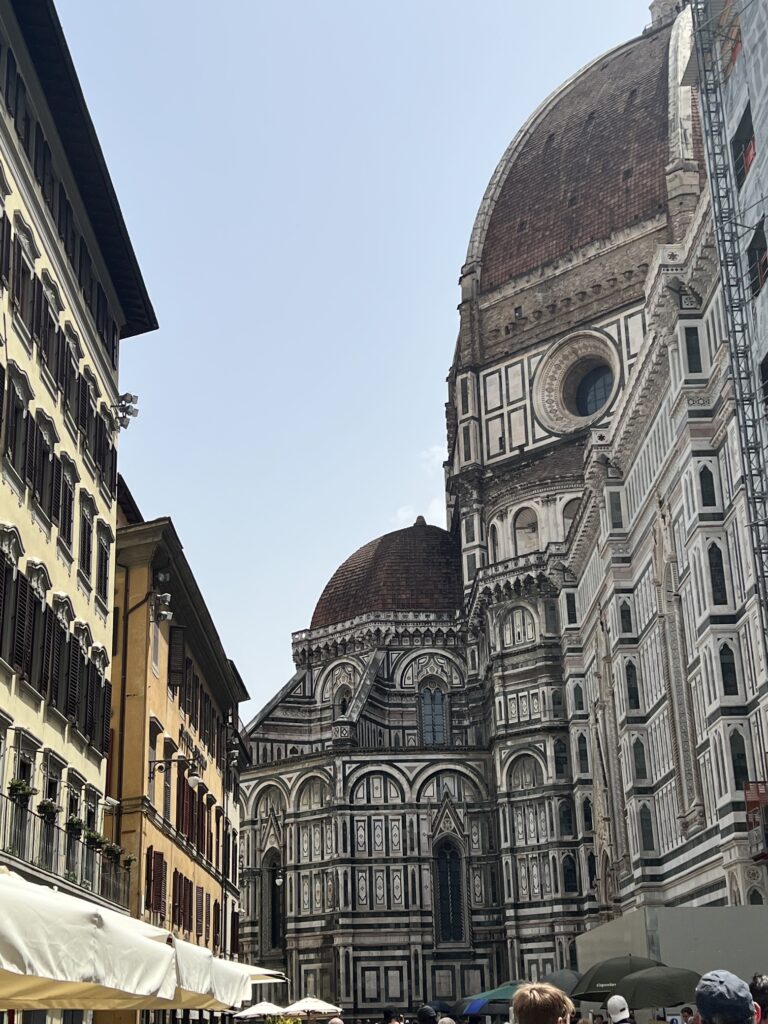
The Florence Cathedral, or Duomo as it’s more commonly known, is one of those landmarks that’s even more impressive when you see it in person. Its enormous terracotta dome and colourful marble façade make it stand out from almost everything around it.
We’d recommend heading to Piazza del Duomo first and spending some time taking in the cathedral from different angles. There’s so much detail in the exterior that it’s worth slowing down rather than simply snapping a quick photo and moving on.
The surrounding square is also home to the Baptistery of St John and Giotto’s Bell Tower, so there’s plenty to admire here. It’s one of the busiest parts of Florence, though, and the crowds can build quickly as the day goes on.
Entry to the cathedral itself is generally free, but you’ll need a ticket for some of the other monuments. If you want to climb the dome, it’s particularly important to book ahead.
2. Climb Brunelleschi’s Dome or Giotto’s Bell Tower
If you fancy seeing Florence from above, climbing Brunelleschi’s Dome or Giotto’s Bell Tower is well worth considering. Both offer fantastic views, but they give you slightly different perspectives of the city.
Brunelleschi’s Dome is the obvious choice if you’re interested in the cathedral’s architecture. The climb involves 463 steps, and you’ll get a closer look at the structure and artwork inside the dome along the way. It’s a bit of a workout, but the views from the top are a fantastic reward.
Giotto’s Bell Tower is another great option, with 414 steps leading to a panoramic viewpoint. One of the best things about choosing the bell tower is that you can actually see the cathedral’s famous dome in the skyline.
If you’re struggling to choose between the two, we’d base your decision on what you’d most like to see. Just keep in mind that neither climb has a lift, so comfortable shoes are a must.
Whichever option you prefer, book your tickets in advance. These are popular attractions, and leaving it until the day could mean missing out on your preferred time slot.
3. Wander Around Piazza della Signoria
Next, make your way to Piazza della Signoria. This is one of those places where you can simply wander around and stumble across something interesting at almost every turn.
The square is surrounded by beautiful historic buildings and filled with sculptures, giving it the feel of an outdoor museum. It’s also home to a replica of Michelangelo’s David, which stands outside Palazzo Vecchio, as well as the impressive Fountain of Neptune.
One of our favourite things about exploring Florence is that you don’t always need to buy a ticket to see something special. The Loggia dei Lanzi, an open-air sculpture gallery on the edge of the square, is a perfect example. You can admire its sculptures completely free of charge.
Take your time here rather than rushing straight through. There are plenty of details to look at, and it’s a lovely spot to soak up the atmosphere of the city before continuing to the next attraction.
4. Visit Palazzo Vecchio
While you’re in Piazza della Signoria, it’s worth considering a visit to Palazzo Vecchio. You can’t really miss it, thanks to its imposing stone exterior and tall tower.
The building has played an important role in Florence’s history and was closely associated with the powerful Medici family. Inside, you’ll find grand halls, elaborate decorations and impressive works of art.
The Hall of the Five Hundred is one of the main highlights, with its enormous painted walls and ornate interior. Even if you’re not usually someone who spends hours exploring historic buildings, it’s an interesting way to learn more about Florence beyond its famous churches and art galleries.
Allow around one to two hours if you decide to go inside. Alternatively, you can admire the exterior and save your time for the Uffizi Gallery, particularly if you’re trying to fit everything into three days.
5. Explore the Uffizi Gallery
If there’s one place to prioritise on your first day for Renaissance art, it’s the Uffizi Gallery. This world-famous museum is home to an incredible collection of paintings, including works by Botticelli, Leonardo da Vinci and Michelangelo.
Even if you’re not an art expert, you’ll probably recognise some of the names and masterpieces on display. Botticelli’s The Birth of Venus is one of the most famous works in the collection and a highlight for many visitors.
The gallery is much bigger than you might expect, so don’t underestimate how long you’ll need. We’d set aside at least two to three hours to explore the main rooms without feeling like you’re racing from one painting to the next.
It’s also worth booking tickets ahead of time. The Uffizi is one of Florence’s most popular attractions, and queues can be long, especially during the busier months.
If art isn’t really your thing, you don’t have to spend half the day here. But if you want to understand what makes Florence such an important destination for art and history lovers, the Uffizi is well worth including in your itinerary.
6. Watch the Sunset From Ponte Vecchio
After a busy day of sightseeing, head towards the Arno River and finish your afternoon at Ponte Vecchio.
This famous medieval bridge is one of Florence’s most recognisable landmarks. It’s lined with little shops, many selling jewellery, and has a completely different feel from the grand squares and museums you’ve spent the day exploring.
The bridge itself is lovely to walk across, but if you want to take photographs, we’d recommend finding a spot along the riverbank instead. You’ll get a much better view of the bridge as a whole, especially when the evening light starts to reflect off the water.
It’s a popular spot, so expect to share it with plenty of other visitors. Even so, there’s something special about seeing the bridge against the changing colours of the sky at the end of the day.
Once you’ve finished exploring, find somewhere nearby for dinner. Florence has plenty of traditional Tuscan dishes to try, from hearty ribollita soup to fresh pasta with ragù. If you’re feeling hungry, you could even try the famous Florentine steak.
After a full day exploring Florence’s historic centre, it’s a lovely way to wind down before another day of sightseeing.
Day 2: Discover Florence’s Art, Gardens and Viewpoints
After spending your first day exploring Florence’s historic centre, day two is all about discovering more of the city’s incredible art, quieter neighbourhoods and beautiful green spaces.
There’s still plenty to fit in, but this day gives you a chance to experience a slightly different side of Florence. You’ll see one of the world’s most famous sculptures, wander through historic streets and gardens, and finish with one of the best views over the city.
We’d recommend starting early again, particularly if you want to visit the Accademia Gallery and Pitti Palace. These attractions can easily take up a few hours each, so it’s worth planning your timings in advance.
1. Visit the Accademia Gallery to See Michelangelo’s David
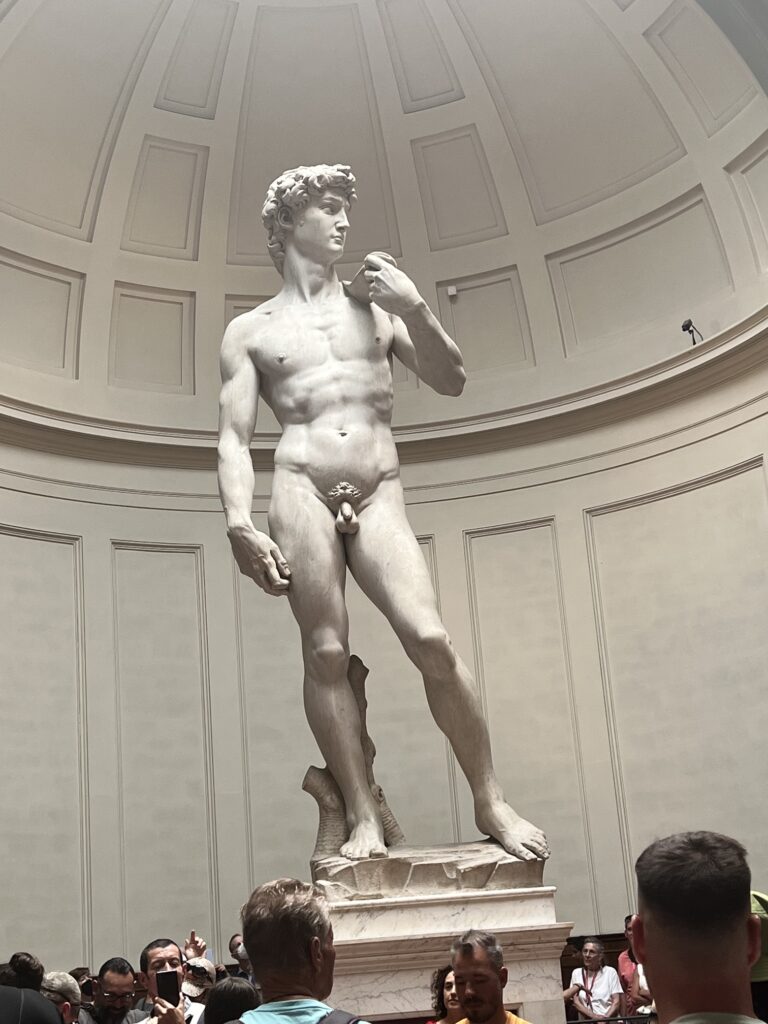
One of the highlights of visiting Florence is seeing Michelangelo’s David in person. Even if you’ve seen photographs of this famous sculpture countless times, it’s quite something to stand in front of it yourself.
The statue stands inside the Accademia Gallery, which is one of Florence’s most popular museums. Carved from a single block of marble, David is an incredible piece of Renaissance art, and its size and level of detail are even more impressive when you’re standing right beside it.
Although David is the main reason most people visit, there are other sculptures and artworks to explore throughout the gallery. You don’t necessarily need to spend hours here, but allow around one to two hours if you want time to look around without rushing.
We’d strongly recommend booking your tickets in advance. David is one of Florence’s biggest attractions, and tickets can sell out, particularly during the summer and other busy periods.
If you’re trying to decide which art gallery to prioritise during your three days in Florence, we’d consider how much time you want to dedicate to art. The Accademia is a good choice if seeing David is high on your list, while the Uffizi offers a much larger collection of Renaissance paintings.
2. Explore the Basilica of Santa Croce
Next, make your way to the Basilica of Santa Croce, one of Florence’s most important churches.
It’s a little further away from the busiest streets around the Duomo, but it’s well worth adding to your itinerary if you enjoy history and architecture. The church has a striking façade, and the large square outside is a lovely place to stop and take in the surroundings.
Inside, you’ll find beautiful frescoes, chapels and the tombs of several famous Italians. Santa Croce is particularly known as the burial place of Michelangelo, Galileo Galilei and Niccolò Machiavelli, making it an interesting visit even if you’re not particularly religious.
Allow around an hour to explore the basilica and its main highlights. If you’re interested in art and history, you could easily spend longer appreciating the details.
There is an entrance fee, and opening arrangements can vary, so check the latest visitor information before arriving. It’s also worth dressing respectfully, as Santa Croce remains a place of worship.
After visiting, take a little time to wander around Piazza Santa Croce. It’s a pleasant change of pace from some of the busier tourist areas, and there are cafés and restaurants nearby if you fancy stopping for a coffee or an early lunch.
3. Cross the Arno River Into Oltrarno
Once you’ve finished exploring Santa Croce, it’s time to head towards the other side of the Arno River and discover Oltrarno.
The name literally means ‘beyond the Arno’, and this part of Florence has a slightly different atmosphere from the main historic centre. You’ll still find beautiful architecture and plenty of history, but there are also traditional workshops, independent shops and quieter streets to explore.
Crossing the river is an experience in itself, particularly if you take one of the historic bridges. Ponte Vecchio is the most famous, but it’s often crowded, so don’t be afraid to use another nearby crossing if you’d prefer a quieter walk.
Once you’re in Oltrarno, the best thing to do is wander without too much of a plan. Explore the narrow streets, browse the artisan workshops and look out for little cafés where you can stop for a drink.
This area is also home to Piazza Santo Spirito, a lively square that’s particularly appealing if you want to experience a more local side of Florence. It’s a great place to stop for lunch or enjoy a relaxed coffee before continuing your day.
We’d definitely recommend allowing some time for Oltrarno rather than treating it as somewhere to simply walk through on the way to your next attraction. It’s a lovely part of the city to slow down and enjoy the atmosphere.
4. Visit Pitti Palace and the Boboli Gardens
While you’re exploring Oltrarno, consider visiting Pitti Palace and the Boboli Gardens. Located close to one another, they’re an excellent combination if you want to mix history and art with a little time outdoors.
Pitti Palace was once home to the powerful Medici family and is now a large museum complex containing several collections of art and historic interiors. The palace itself is impressive, and it’s a good option if you’re interested in learning more about Florence’s wealthy ruling families.
However, the real draw for many visitors is the Boboli Gardens behind the palace.
These expansive Renaissance gardens feel a world away from the busy streets in the centre. You’ll find landscaped lawns, sculptures, fountains, tree-lined paths and viewpoints overlooking parts of Florence.
It’s worth remembering that the gardens are much larger than they might first appear. Wear comfortable shoes and give yourself enough time to explore, particularly if you want to see some of the more distant corners.
You can easily spend one to two hours wandering through the gardens alone, while visiting the palace museums as well will require a longer stop. With only three days in Florence, we’d decide how much time to dedicate here based on your interest in art and history.
There is an entrance fee, and ticket options can vary depending on which areas you want to visit. Check the current arrangements before you go, and remember that opening hours and access can change throughout the year.
If the weather is good, this is a lovely way to spend part of the afternoon before heading to your final stop of the day.
5. Watch the Sunset From Piazzale Michelangelo
Finish your second day in Florence at Piazzale Michelangelo, one of the city’s best-known viewpoints.
Overlooking the historic centre, the square offers sweeping views across Florence’s rooftops, with the Duomo, Palazzo Vecchio and the Arno River all visible in the skyline. It’s particularly beautiful in the late afternoon when the light starts to soften.
You can reach the viewpoint on foot, although the walk uphill can be a little tiring after a full day of sightseeing. Alternatively, you can take a bus or taxi if you’d rather save your energy.
If you decide to walk, allow some extra time and take it at your own pace. The route is worth the effort, and you can stop along the way to enjoy the changing views.
Piazzale Michelangelo is especially popular around sunset, so don’t expect to have the viewpoint to yourself. People gather here to take photographs, enjoy a drink and watch the city change colour as the sun goes down.
Our advice is to arrive a little before sunset so you have time to find a good spot. Bring some water, and if you fancy making an evening of it, pick up a drink or a few snacks beforehand.
It’s the perfect place to pause and appreciate just how beautiful Florence is. After two days of exploring its museums, churches and historic streets, seeing the city spread out beneath you is a wonderful way to end the day.
Day 3: Discover More of Florence at Your Own Pace
By the third day of your Florence itinerary, you’ll have seen many of the city’s most famous landmarks. Today is a chance to slow things down a little, explore some of the places you might have missed and enjoy Florence beyond its main tourist attractions.
There’s still plenty to see, from beautiful churches and traditional markets to historic chapels and little streets filled with independent shops. We’d also leave some room in your plans for food. After all, enjoying Italian cuisine is a big part of visiting Florence!
The great thing about this final day is that you can easily adjust it to suit your interests. If you’ve already spent plenty of time in museums, you might prefer to wander around the city, stop at cafés and enjoy the atmosphere.
1. Visit the Basilica of Santa Maria Novella
Start your final day at the Basilica of Santa Maria Novella, a beautiful church just a short walk from Florence’s main train station.
Its striking marble façade is one of the first things you’ll notice, with geometric patterns in white and green marble that make it stand out from the surrounding buildings. It’s particularly impressive when you take a moment to appreciate the details from the square outside.
Inside, the basilica is just as interesting. You’ll find frescoes, chapels and important works of Renaissance art, including Masaccio’s Holy Trinity. Even if you’re not usually someone who visits lots of churches while travelling, this is worth considering for its architecture and artistic significance.
One of the best things about including Santa Maria Novella in your itinerary is its convenient location. You won’t need to travel far out of your way, making it an easy addition to your final morning in Florence.
Allow around 45 minutes to an hour for your visit, although you may want longer if you enjoy exploring historic interiors. There is an entrance fee for the visitor areas, so check the latest opening times and ticket information before you go.
2. Browse the San Lorenzo Market
After visiting the basilica, head towards San Lorenzo Market, one of Florence’s best-known market areas.
The market is split into different sections, so it’s worth knowing what you’re looking for. The indoor Mercato Centrale is the place to go for food, with stalls selling fresh produce, local ingredients and Italian specialities. Upstairs, you’ll also find a food hall with various places to eat, making it a convenient stop if you’re feeling hungry.
Outside, the surrounding streets are lined with stalls selling leather goods, clothing, souvenirs and other items. It’s a lively area to explore, although some of the products are clearly aimed at tourists.
Even if you don’t plan on buying anything, browsing the stalls is a fun way to spend some time and see another side of Florence. If you’re looking for souvenirs to take home, you’ll find plenty of choice here.
We’d recommend visiting earlier in the day when the market is getting going. Keep an eye on your belongings in busy areas, and don’t feel pressured to buy anything simply because a stallholder approaches you.
If you’re interested in Florence’s food scene, make sure you leave time to explore Mercato Centrale properly. It’s a good place to discover local ingredients and pick up a snack before continuing your day.
3. Explore Florence’s Food Scene
You can’t spend three days in Florence without making time to enjoy the food. From fresh pasta and traditional Tuscan dishes to gelato and pastries, there’s plenty to try between sightseeing stops.
If you’ve been eating on the go during the first two days, use today as an excuse to slow down and enjoy a proper Italian lunch. Florence is known for dishes such as ribollita, a hearty bread and vegetable soup, and pappardelle al ragù, a wide pasta served with a rich meat sauce.
For something more substantial, you could try bistecca alla Fiorentina, Florence’s famous T-bone steak. It’s traditionally served rare and is often very large, so it’s worth checking the portion size before ordering if you’re dining as a couple.
Of course, you don’t need to sit down for a full restaurant meal to enjoy Florence’s food scene. Stop at a bakery for a pastry, grab a panino from a local sandwich shop or treat yourself to a gelato while wandering through the historic streets.
One thing we’d recommend is looking beyond the restaurants immediately surrounding the biggest attractions. A short walk away from the busiest squares can lead you to smaller eateries and more relaxed places to eat.
Food is such an important part of Italian culture, so don’t try to squeeze every meal into a rushed sightseeing schedule. Sometimes, sitting down with a coffee and watching the world go by is just as enjoyable as visiting another landmark.
4. Discover the Medici Chapels
If you’re interested in Florence’s history, the Medici Chapels are another worthwhile stop to consider.
Located near the Basilica of San Lorenzo, these chapels form part of the complex associated with the powerful Medici family, who played a major role in Florence’s political and cultural history.
The main attraction is the Chapel of the Princes, an elaborate space decorated with coloured marble and precious stones. It’s quite different from the simpler interiors you’ll find in some other historic churches around the city.
You’ll also find Michelangelo’s New Sacristy, which contains several of his famous sculptures. The combination of sculpture, architecture and Medici history makes this a fascinating visit, particularly if you’ve already seen Michelangelo’s David at the Accademia Gallery.
The chapels don’t usually require as much time as the Uffizi Gallery, so they’re a good option if you want to fit in another cultural attraction without dedicating half your day to it. Allow around an hour to explore, depending on your pace.
As with Florence’s other popular sights, it’s worth checking opening times and ticket availability in advance. If you’re particularly interested in the Medici family, you could also combine this visit with Palazzo Vecchio or Pitti Palace if you haven’t already explored them.
5. Wander Through Florence’s Streets and Hidden Corners
One of our favourite ways to experience a city is simply to put the map away for a while and see where the streets take you. Florence is particularly well suited to this, thanks to its compact centre, historic buildings and little lanes that often lead to unexpected discoveries.
By your third day, you’ll probably have walked through some of the main streets several times. Use this opportunity to explore the areas you haven’t had time for yet, whether that’s browsing independent shops, discovering a quiet square or stopping to admire an interesting building.
You could wander back towards the Arno River, explore more of Oltrarno or revisit a favourite part of the historic centre. There are plenty of small details you might have missed while rushing between major attractions, from decorative doorways to hidden courtyards and little churches.
This is also a good opportunity to take photographs without feeling as though you need to tick off another famous landmark. Some of Florence’s most charming streets are away from the main tourist routes, and wandering around is completely free.
If you’re travelling on a budget, this is an especially good way to spend part of your final day. You can enjoy the city’s atmosphere without paying for another museum ticket or organised activity.
Don’t worry too much about following a strict route. Leave yourself time to stop for a coffee, browse a shop or sit in a square when something catches your eye. After two busy days of sightseeing, a slower afternoon can be a welcome change.
6. Enjoy an Aperitivo in the City Centre
Finish your three days in Florence with an Italian aperitivo. It’s a lovely way to wind down after a busy few days and enjoy the city before heading off to your next destination.
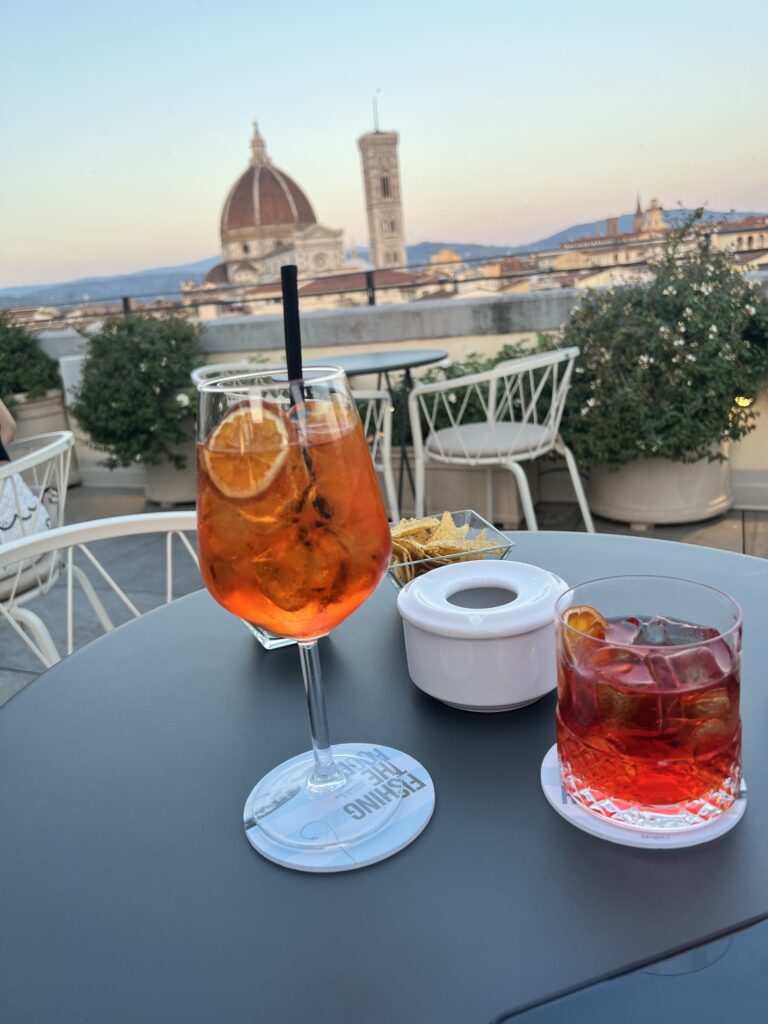
Aperitivo is a popular Italian tradition that usually takes place in the early evening. You order a drink, often a spritz or a glass of wine, and enjoy it alongside small snacks. Some bars include nibbles with your drink, while others offer more substantial food for an additional cost.
Florence has plenty of places to enjoy an aperitivo, from lively bars around the historic centre to smaller spots across the river in Oltrarno. If you want to sit outside, look for somewhere overlooking a pretty square or tucked away along one of the quieter streets.
Florence is also where I’ve had the best Aperol Spritz of my life! And trust me, I consider myself quite the connoisseur. There’s something about sipping a perfectly made spritz in the Italian sunshine that just hits differently. So, if you’re an Aperol Spritz fan like me, make sure you find a nice spot to sit down and enjoy one during your visit. It’s practically a travel essential!
Prices can vary quite a bit depending on the location, so it’s worth checking the menu before sitting down. Bars directly beside the biggest attractions can be more expensive than those just a few streets away.
If you’re travelling on a budget, you don’t need to spend a fortune to enjoy the experience. Choose somewhere relaxed, order your favourite drink and take your time soaking up the atmosphere.
It’s a simple but memorable way to end your Florence itinerary. After three days of exploring famous landmarks, admiring Renaissance art and wandering through historic streets, you can sit back, enjoy an Aperol Spritz and savour one final taste of Italian life.
Where to Stay in Florence
The Best Time to Visit Florence
Florence is a beautiful city to visit throughout the year, but the time you choose can make a real difference to your experience. With so much of the city best explored on foot, you’ll want to consider the weather, crowds and accommodation prices when planning your trip.
In our opinion, spring and early autumn are the best times to visit Florence, particularly if you’re planning a three-day itinerary and want to spend plenty of time exploring outdoors. April to May and September to October generally offer a good balance of pleasant temperatures and sightseeing conditions.
Visiting Florence in Spring (March to May)
Spring is a lovely time to visit Florence. Temperatures gradually warm up, the days get longer and the city’s gardens begin to bloom. It’s a great season for wandering through the historic centre, exploring Oltrarno and enjoying a drink outside one of the many cafés.
April and May are particularly appealing, although Easter and the spring holidays can bring larger crowds. Florence is popular year-round, so don’t assume you’ll have the main attractions to yourself. Booking museum tickets and accommodation in advance is a good idea.
Visiting Florence in Summer (June to August)
Summer brings long days, outdoor dining and plenty of sunshine, but it also comes with some challenges. July and August can be extremely hot, with daytime temperatures often reaching around 30°C or higher. Walking between attractions in the midday heat can quickly become tiring.
This is also a busy period for tourism, so expect crowds at popular landmarks such as the Duomo, Uffizi Gallery and Ponte Vecchio. If summer is your only option, start sightseeing early, take a break during the hottest part of the day and save your riverside strolls and aperitivo for the evening.
August can also see some family-run businesses close for annual holidays, although the main tourist attractions generally continue operating.
Visiting Florence in Autumn (September to November)
Autumn is another excellent time to visit Florence, especially in September and October. Temperatures begin to cool after the summer heat, making it more comfortable to explore the city on foot.
September often retains a summery feel, while October can bring cooler days and beautiful autumn light. You’ll still find plenty of opportunities to enjoy outdoor cafés, wander along the Arno River and watch the sunset from Piazzale Michelangelo.
Rain becomes more likely as autumn progresses, particularly in October and November, so it’s worth packing a light waterproof jacket or umbrella. November is generally quieter, which can make it a good option if you’d prefer fewer crowds and potentially lower accommodation prices.
Visiting Florence in Winter (December to February)
Winter is worth considering if you’re travelling on a budget or prefer exploring cities outside the busiest tourist season. Temperatures are cooler, days are shorter and rain is possible, but Florence’s museums, churches and historic buildings offer plenty to see whatever the weather.
December can be particularly atmospheric thanks to the festive decorations and Christmas markets. January and February are generally quieter, making it easier to enjoy popular museums without the peak-season crowds.
You’ll need to wrap up warm, and it’s worth checking opening hours before visiting individual attractions, as some schedules may change throughout the winter.
So, When Should You Visit Florence?
For a first visit, we’d aim for May, September or early October. These months offer a good balance of sightseeing weather and the chance to enjoy Florence’s outdoor spaces without the intense heat of midsummer.
If you’re travelling on a tighter budget, consider November through February, avoiding the Christmas and New Year period if lower prices are your priority. And if summer is when you can travel, don’t let the heat put you off entirely. With a little planning, you can still have a fantastic three days in Florence.
Whenever you decide to visit, book the major attractions ahead of time and leave some flexibility in your itinerary. That way, you’ll have time to enjoy the city’s famous sights as well as the little cafés, charming streets and Italian aperitivo stops that make Florence so memorable.
How to Book Tickets for Florence’s Main Attractions
Florence is packed with world-famous landmarks, art galleries and historic buildings, but some of its most popular attractions get booked up well in advance. If you’re only spending three days in Florence, the last thing you want is to miss out on somewhere you’ve been looking forward to visiting.
We recommend planning ahead and booking tickets for the main attractions before your trip. This is particularly important for the Uffizi Gallery, the Accademia Gallery and Brunelleschi’s Dome, as timed entry slots can sell out during busy periods.
Here are a few things to keep in mind when booking your tickets.
Book the Most Popular Attractions in Advance
The Uffizi Gallery and Accademia Gallery should be high on your booking list if you want to see Florence’s famous Renaissance art. Brunelleschi’s Dome is another attraction where advance reservations are essential, as access is controlled through timed bookings.
Try to book these attractions as soon as your travel dates are confirmed, especially if you’re visiting in spring or summer. You can check availability and ticket options through the official websites to avoid paying unnecessary booking fees.
Use Official Websites Where Possible
For the best chance of finding the correct ticket type and price, start with the official attraction websites. These allow you to check entry times, visitor requirements and what’s included in each ticket.
Some attractions offer combined tickets covering multiple monuments, which can be useful if you plan to visit several sites around Piazza del Duomo. Just make sure you understand which areas are included and whether you need to reserve a separate time slot.
If official tickets are unavailable, reputable third-party booking platforms may offer guided tours or alternative entry options. Always check what’s included before paying.
Plan Your Bookings Around Your Itinerary
Once you’ve booked your main attractions, organise the rest of your Florence itinerary around those time slots. For example, you could visit the Duomo area in the morning before heading to Piazza della Signoria and the Uffizi Gallery.
Try not to book attractions too close together. You’ll want time to walk between them, grab something to eat and enjoy the city without constantly watching the clock.
It’s also worth checking opening days before finalising your plans. Some museums and attractions close on particular days of the week, and opening hours can change throughout the year.
Remember That Not Everything Requires a Ticket
One of the best things about Florence is how much you can see without paying an entrance fee. You can wander through Piazza della Signoria, admire Ponte Vecchio, explore the historic streets and enjoy the views from Piazzale Michelangelo for free.
The cathedral itself generally offers free entry, although the surrounding monuments and dome climb require separate tickets. Visiting churches, museums and other religious sites may also involve entrance fees or specific visitor rules.
Mixing paid attractions with free activities is a great way to keep your three-day Florence itinerary manageable, particularly if you’re travelling on a budget.
Tips for Spending 3 Days in Florence
Three days gives you a great introduction to Florence, but there’s plenty to see, so a little planning goes a long way. We’ve put together a few practical tips to help you make the most of your visit without feeling like you’re rushing from one attraction to the next.
1. Book Major Attractions Ahead of Time
We can’t stress this enough. Florence’s most famous attractions are popular for a reason, and leaving ticket bookings until the last minute can mean missing out on your preferred time slot.
Prioritise the Uffizi Gallery, Accademia Gallery and Brunelleschi’s Dome if they’re on your list. Once those are booked, you can plan the rest of your days around them.
2. Explore the City on Foot
Florence’s historic centre is relatively compact, and walking is one of the easiest ways to get around. Many of the main attractions are close together, so you can spend more time sightseeing and less time figuring out transport.
Wear comfortable shoes, though. You’ll cover plenty of ground over three days, and the cobbled streets can be tiring after a full day out.
3. Start Your Days Early
Getting out early is particularly helpful if you want to photograph Florence’s most famous landmarks without the biggest crowds. Piazza del Duomo and Ponte Vecchio can become very busy as the day progresses.
An early start also gives you more flexibility if you want to visit several attractions in one day. You can get the main sights done before taking a slower afternoon break.
4. Leave Time for Food and Aperitivo
Don’t make the mistake of planning every minute of your trip around sightseeing. Florence has an incredible food scene, and you’ll want time to stop for a proper meal, enjoy a gelato or sit down for a coffee.
I’d also make time for an aperitivo. Florence is where I’ve had my best-ever Aperol Spritz, and as something of a connoisseur, I can confirm it’s worth finding a good spot to enjoy one!
5. Look Beyond the Main Tourist Streets
Florence’s famous landmarks are incredible, but some of the nicest moments can come from simply wandering around without a strict plan.
Explore Oltrarno, browse the local markets and take a detour down quieter streets when something catches your eye. You’ll get to experience a different side of the city and may even find a new favourite café along the way.
6. Prepare for the Weather
Florence can get very hot in summer, particularly when you’re walking between attractions in the middle of the day. Carry water, wear sunscreen and plan indoor activities for the hottest hours if necessary.
Spring and autumn can be more comfortable for sightseeing, but rain is still possible. A lightweight waterproof jacket or compact umbrella is worth packing if you’re visiting outside summer.
7. Keep an Eye on Your Belongings
Like many popular European tourist destinations, Florence can attract pickpockets, particularly around busy attractions, markets and public transport.
Keep your valuables secure, avoid leaving your phone on café tables and be mindful of your bag in crowded areas. There’s no need to be overly worried, but taking sensible precautions will help you enjoy your trip with peace of mind.
8. Don’t Try to See Absolutely Everything
Three days is enough to experience many of Florence’s highlights, but you won’t be able to see every museum, church and historic building in that time.
Choose the attractions that interest you most, then leave some space in your itinerary for wandering, eating and enjoying the atmosphere. Florence is a city that’s just as rewarding when you slow down and take it all in as it is when you’re ticking off the major sights.
Our biggest tip? Plan your must-see attractions in advance, but don’t overfill your days. A little flexibility will help you enjoy Florence at a more relaxed pace and make your three days feel like a holiday rather than a checklist.
Frequently Asked Questions About Spending 3 Days in Florence
Is 3 Days in Florence Enough?
Yes! Three days in Florence is ideal for most first-time visitors. You’ll have enough time to explore the historic centre, visit famous attractions such as the Duomo and Uffizi Gallery, see Michelangelo’s David and enjoy the city’s food scene. You’ll also have time to wander through charming streets, browse local markets and enjoy an Italian aperitivo without rushing between every attraction.
What Is the Best Way to Spend 3 Days in Florence?
We recommend spending your first day exploring Florence’s historic centre, including the Duomo, Piazza della Signoria, the Uffizi Gallery and Ponte Vecchio. On day two, visit the Accademia Gallery, explore the Oltrarno neighbourhood and Boboli Gardens, then watch the sunset from Piazzale Michelangelo. Use your final day to discover Santa Maria Novella, browse San Lorenzo Market and enjoy Florence at a more relaxed pace.
What Is the Best Month to Visit Florence?
May, September and early October are excellent months to visit Florence. The weather is generally pleasant for walking, and you can enjoy the city’s outdoor attractions without the intense summer heat. July and August can be very hot and crowded, while November to February is worth considering if you prefer a quieter visit and potentially lower accommodation prices.
Is Florence Expensive to Visit?
Florence can be expensive, particularly if you visit several museums, stay in the historic centre and eat at restaurants around the main tourist attractions. However, it’s possible to explore the city on a budget. Many of its most beautiful sights, including Ponte Vecchio, Piazza della Signoria and Piazzale Michelangelo, are free to visit. You can also save money by booking accommodation in advance, eating at local bakeries and sandwich shops, and choosing which paid attractions matter most to you.
Can You Explore Florence on Foot?
Absolutely! Walking is one of the best ways to explore Florence. The historic centre is compact, and many of the main attractions are within easy walking distance of one another. You can walk between the Duomo, Piazza della Signoria, the Uffizi Gallery and Ponte Vecchio without needing public transport. Comfortable shoes are essential, as you’ll cover plenty of ground over three days.
Do You Need to Book Florence Attractions in Advance?
Yes, we strongly recommend booking the most popular attractions in advance. The Uffizi Gallery, Accademia Gallery and Brunelleschi’s Dome can be particularly busy, and timed entry slots may sell out. Booking ahead helps you secure your preferred times and plan your itinerary more easily. Start with the official ticket websites whenever possible.
How Much Money Do You Need for 3 Days in Florence?
Your budget will depend on your accommodation, dining choices and the attractions you want to visit. Florence offers options for different budgets, but museum tickets, central accommodation and restaurant meals can add up quickly. As a rough guide, budget travellers might spend around €60–€100 per person per day, excluding accommodation and transport to Florence, while mid-range travellers could spend €120–€200 or more per day. These are estimates rather than fixed prices, so check current accommodation rates and attraction fees before travelling.
Is Florence Walkable for First-Time Visitors?
Yes! Florence is a fantastic city for first-time visitors because its main attractions are concentrated around the historic centre. You can explore many of the highlights independently without joining a tour or hiring a car. Some routes, particularly the walk up to Piazzale Michelangelo, involve hills and steps, but most central sightseeing is straightforward.
What Should You Not Miss in Florence?
If it’s your first visit, don’t miss the Florence Cathedral, Michelangelo’s David at the Accademia Gallery, the Uffizi Gallery, Piazza della Signoria and Ponte Vecchio. We’d also recommend visiting Piazzale Michelangelo for panoramic views and exploring Oltrarno for a different side of the city. And, of course, leave time to enjoy some traditional Tuscan food and an Aperol Spritz!
Is Florence Worth Visiting?
Definitely! Florence is one of the best cities in Italy for art, architecture, history and food. Its beautiful historic centre, world-famous Renaissance masterpieces and relaxed café culture make it a wonderful destination for a long weekend. Three days gives you a great introduction to the city, whether you’re visiting Italy for the first time or adding Florence to a longer trip around Tuscany.