
Best Things to do in Seville + Where to Stay
Seville is bursting with things to do and see, from the iconic Seville Cathedral and Giralda tower to wandering the sunlit Plaza de España and the winding lanes of the Santa Cruz quarter. Whether you’re planning a short European city break or a longer Andalusian escape, Seville delivers flamenco nights, tapas trails, historic palaces, and charming neighborhoods that won’t disappoint.
Best Things to do in Seville
Seville is packed with incredible things to see and do, from exploring grand Moorish palaces and historic cathedrals to wandering through colourful neighbourhoods and enjoying traditional Spanish tapas. As one of the most beautiful cities in Andalusia, it offers a fantastic mix of history, culture, architecture and local experiences.
Whether you’re visiting for a weekend or spending a few days exploring southern Spain, there is plenty to keep you busy. In this guide, we’re sharing the best things to do in Seville, including the must-see attractions, hidden corners and free activities worth adding to your itinerary.
Seville Cathedral and the Giralda
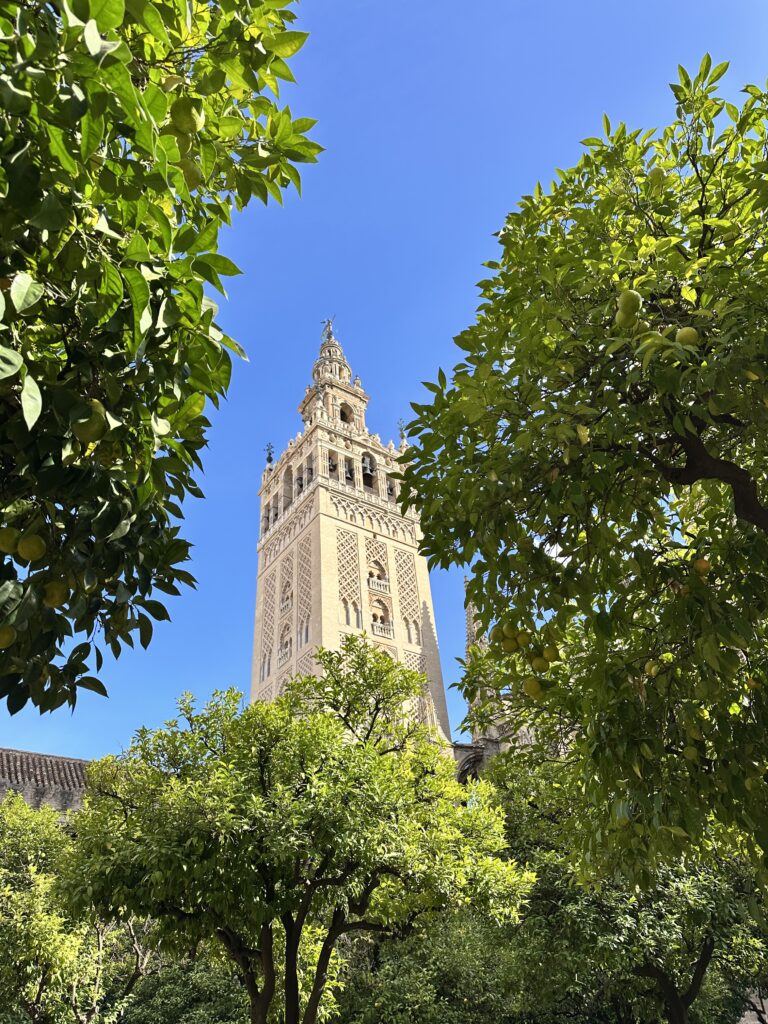
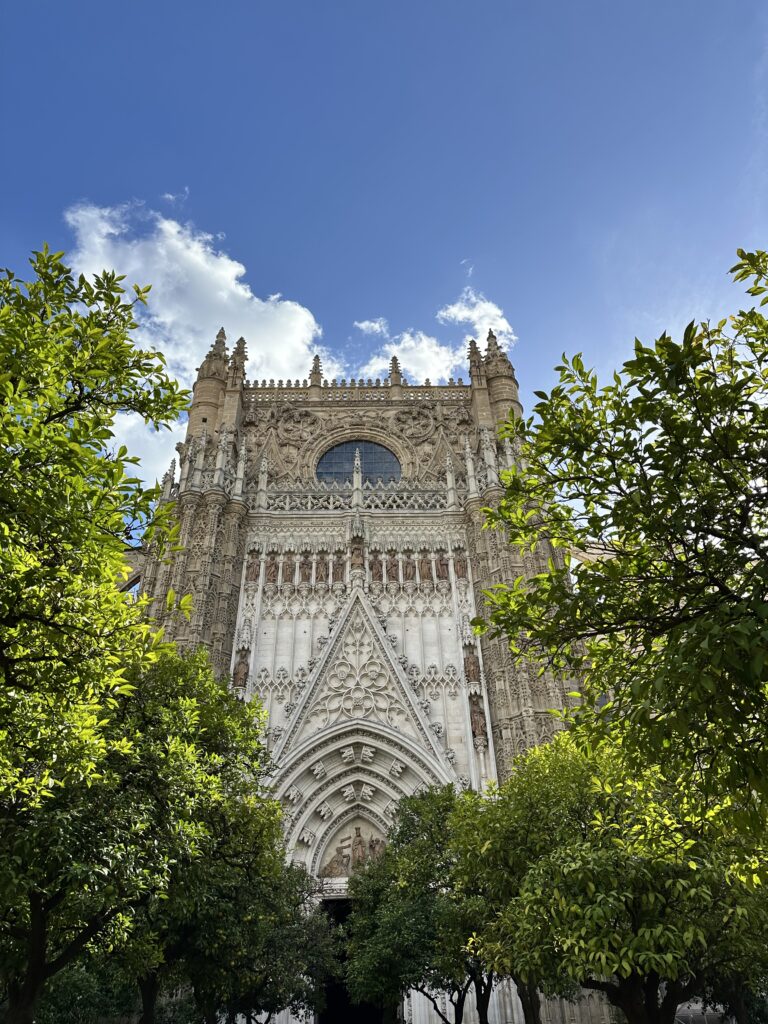
Seville’s crown jewel is its Seville Cathedral, a UNESCO World Heritage site and one of the largest Gothic cathedrals in the world. For many visitors, exploring the cathedral is a highlight of any things to do in Seville itinerary — from the soaring nave to the Giralda tower views and the historic tomb of Christopher Columbus. This guide gives you the must‑know details, ticket advice, and practical tips so you can make the most of your visit.
Tickets and climbing the Giralda
- Buy a combined ticket that includes cathedral entry and access to the Giralda tower; this is the best way to secure the 360° views of Seville.
- Book in advance for peak season and weekends to avoid long lines.
- The Giralda climb is a gentle ascent via ramps rather than stairs, making it accessible for most visitors; allow 30–45 minutes for the climb and views.
- Tip: Visit at sunset for golden light over the rooftops and Plaza de España.
Exploring the Seville Cathedral and climbing the Giralda should be high on your Seville itinerary — the views alone justify the trip, and the cathedral’s art, history, and the Christopher Columbus tomb add depth to any Seville travel guide. Book tickets ahead, time your visit for softer light, and pair the cathedral with nearby sights and a stay in Santa Cruz for the most memorable city break.
Real Alcázar and Royal Gardens
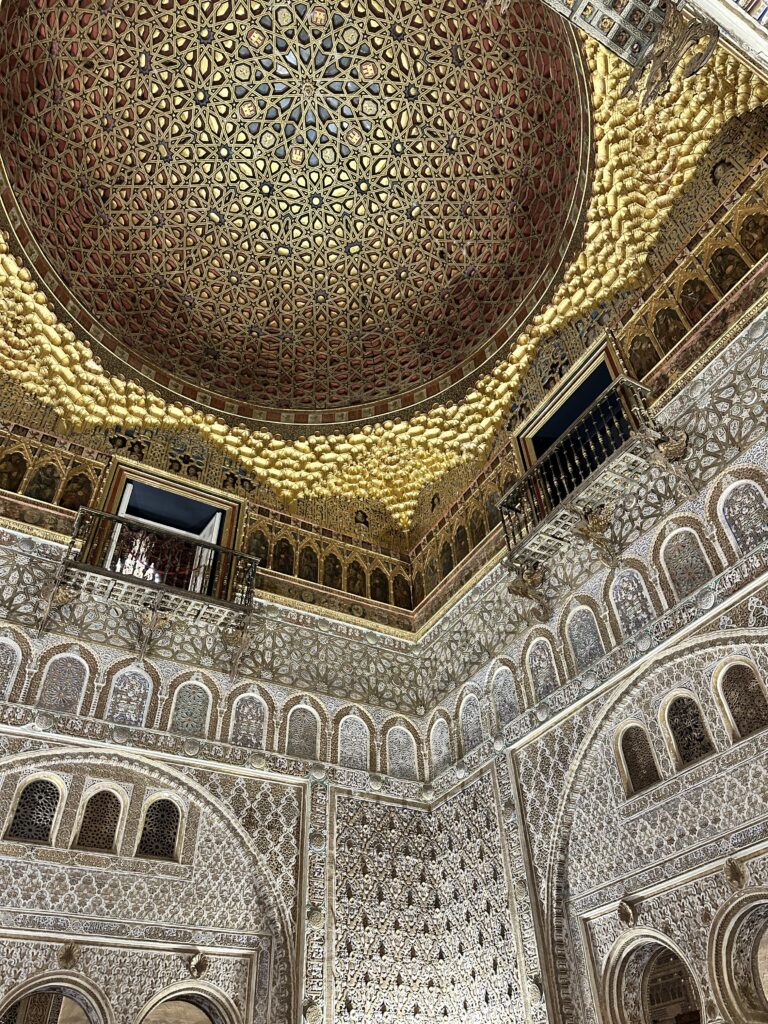
The Royal Alcázar of Seville offers a peaceful break from the city’s busy streets. This UNESCO World Heritage site blends Moorish, Gothic and Renaissance architecture across ornate palace rooms and expansive gardens. Visiting the Alcázar is one of the top things to do in Seville for history lovers, garden fans and anyone seeking a quieter corner of the city.
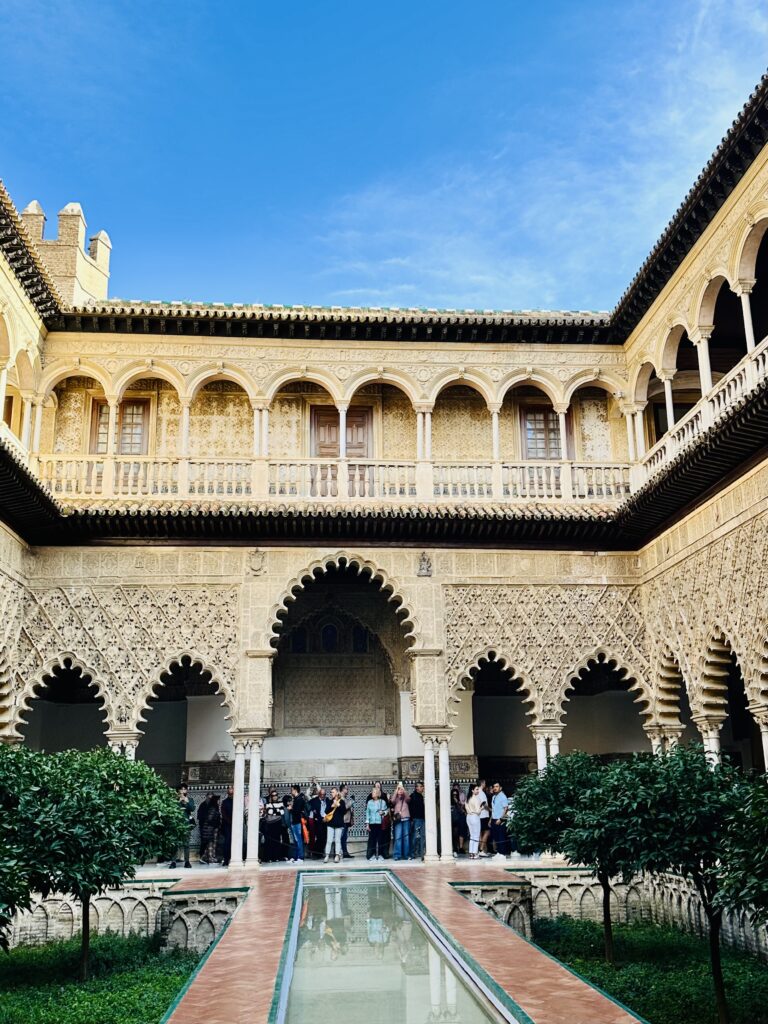
Explore the palace and step back in time
Wander through richly decorated halls, carved plasterwork, and tiled courtyards that reveal centuries of royal life. The palace’s layered history is visible in every room, from the intricate Mudejar ceilings to later Christian additions. Allow time to linger in the main courtyards and throne rooms to appreciate the craftsmanship and the sense of stepping back in time. Tip: join a guided tour or use an audio guide to learn the stories behind the architecture and royal collections.
Tickets and best times to visit
Buy Real Alcázar tickets in advance to avoid long queues. Early morning visits offer cooler temperatures and softer light for photos. Late afternoon visits can be quieter and pair well with a stroll through nearby Santa Cruz. Check official opening hours before you go and consider combined tickets that include other Seville attractions.
Wander the gardens and watch for peacocks
The Alcázar gardens are a highlight of any Seville travel guide. Meandering paths, shaded terraces, fountains and fragrant orange trees create a calm atmosphere perfect for escaping the bustle. The gardens change with the seasons, offering spring blooms, summer shade and autumn light. Keep your eye out for the resident peacocks that roam freely across lawns and terraces. Their bright plumage and occasional calls add a charming, living detail to the palace grounds.
Plaza de España and María Luisa Park
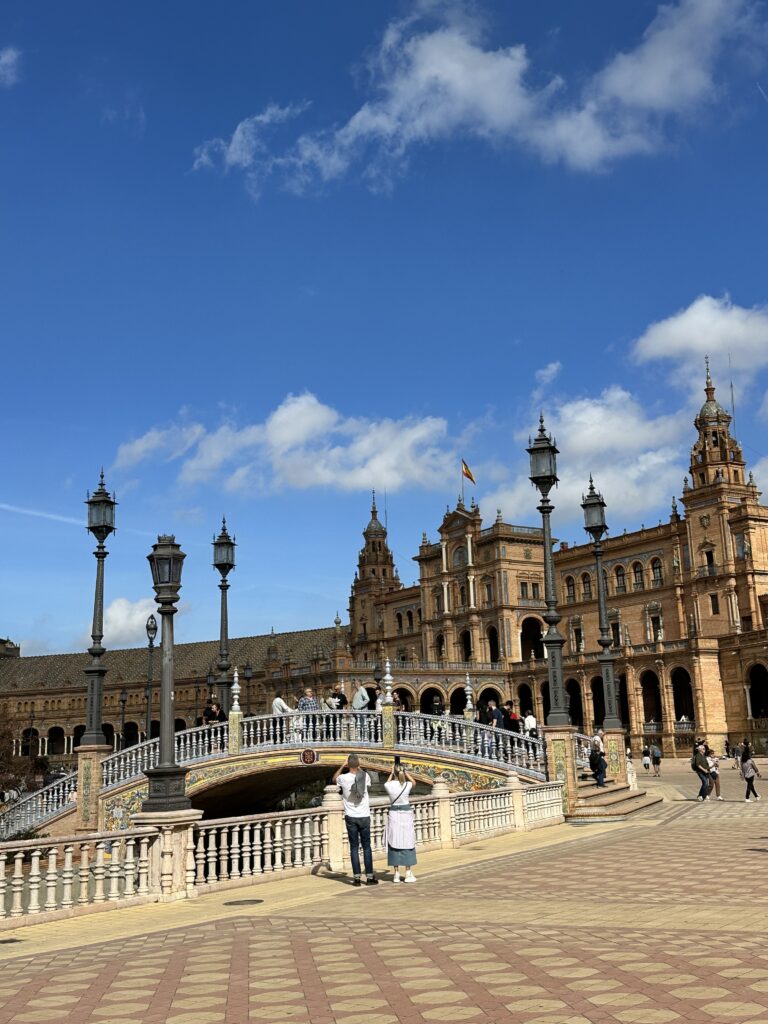
Plaza de España is one of Seville’s most iconic landmarks, a sweeping semicircular plaza built for the Ibero‑American Exposition of 1929. With its ornate bridges, colorful tiled murals, and a canal perfect for romantic row boats, the plaza is a must‑see on any things to do in Seville list.
Explore Plaza de España and what to do there
A compact guide to the plaza’s highlights and the experiences visitors love.
Row boats on the canal
Rent a small row boat for a gentle glide under the plaza’s bridges and along the curved canal. Rowing offers a unique vantage point for photos and a romantic break from the busy streets.
Tiled murals and provincial alcoves
Walk the plaza’s balustrade to discover the colorful tiled murals representing Spain’s provinces. Each alcove tells a story through ceramics and reliefs — perfect for close‑up photos and cultural context.
Architecture and photo spots
Admire the mix of Renaissance and Moorish revival styles, the central fountain, and the four bridges symbolizing Spain’s ancient kingdoms. For sweeping shots, climb the steps at dusk when the plaza glows under warm light
Practical tips for visiting Plaza de España:
A little planning can make your visit to Plaza de España much more enjoyable, especially if you want to avoid the busiest times and make the most of this incredible landmark. From choosing the best time to visit to knowing what to expect when you arrive, these practical tips will help you plan your visit and enjoy one of Seville’s most beautiful sights.
Best time to visit
Arrive early morning for soft light and fewer crowds, or late afternoon for golden hour photos. Weekdays are quieter than weekends.
Tickets and access
Plaza de España is a public space and free to enter. Boat rentals have a small fee and operate seasonally; check on‑site kiosks for hours and availability.
Accessibility and family tips
Paths are mostly level and suitable for strollers and wheelchairs; some steps lead to viewpoints. Families will enjoy the open lawns and boat rides for kids.
Best Places to Stay in Seville
How to choose the best place to stay in Seville
- First time in Seville: Santa Cruz for proximity to major sights.
- On a budget or nightlife‑focused: Alameda de Hércules or parts of Triana.
- Romantic or luxury trip: central Santa Cruz or riverside El Arenal with a rooftop or boutique hotel.
- Family or longer stay: Nervión for space, supermarkets and quieter streets.
- Food and local life: Triana for tapas and authentic neighbourhood atmosphere.
Best Day Trips to Take from Seville
If you’re spending more than a few days in Seville, taking a day trip to Córdoba or Granada is one of the best ways to experience Andalusia’s Moorish heritage. Both cities are easy to reach by train and offer two of Spain’s most iconic landmarks: the Mezquita of Córdoba and the Alhambra in Granada.
Córdoba is the perfect quick escape, just 45 minutes from Seville by high‑speed train. Its star attraction, the Mezquita‑Cathedral, is a breathtaking blend of Islamic and Christian architecture, with endless striped arches and a serene historic centre that’s ideal for slow wandering.
For something more immersive, Granada delivers a deeper dive into Andalusia’s past. The Alhambra, with its palaces, courtyards and sweeping views over the Albaicín, is worth the longer journey. While a Seville to Granada day trip is possible, staying 2–3 nights lets you explore the Albaicín, Sacromonte and the city’s tapas culture without rushing.
Whether you choose Córdoba for convenience or Granada for atmosphere, both day trips add unforgettable depth to any Seville itinerary and are essential for travellers interested in Moorish architecture, Andalusian history and UNESCO World Heritage sites.
Frequently Asked Questions About Visiting Seville
What Are the Best Things to Do in Seville?
Some of the best things to do in Seville include visiting the Royal Alcázar, exploring Seville Cathedral and climbing La Giralda for panoramic city views. You can also wander through the colourful Plaza de España, explore the historic Santa Cruz neighbourhood, watch a traditional flamenco performance and enjoy tapas at local bars. If you have time, take a stroll along the Guadalquivir River or visit the beautiful Parque de María Luisa.
How Many Days Do You Need in Seville?
We recommend spending at least three days in Seville to experience its main attractions without feeling rushed. This gives you time to visit the Royal Alcázar, Seville Cathedral, Plaza de España and the city’s historic neighbourhoods, while leaving time to enjoy the local food scene. If you only have one or two days, you can still see many of the highlights with a well-planned itinerary.
Is Seville Worth Visiting?
Absolutely! Seville is one of the most beautiful cities in southern Spain, known for its stunning architecture, rich history, traditional tapas and lively atmosphere. From its grand historic monuments to its charming narrow streets and colourful plazas, there is plenty to explore. It is also an excellent base for day trips to other Andalusian destinations, including Córdoba and Granada.
What Is Seville Famous For?
Seville is famous for its Moorish architecture, the Royal Alcázar, Seville Cathedral and the iconic Plaza de España. The city is also closely associated with flamenco dancing, traditional tapas and Andalusian culture. Its historic streets, orange trees and lively neighbourhoods make it a popular destination for visitors exploring southern Spain.
What Are the Best Free Things to Do in Seville?
There are plenty of free things to do in Seville, making it a great destination for budget travellers. You can admire Plaza de España, stroll through Parque de María Luisa, explore the streets of Santa Cruz and walk along the Guadalquivir River. You can also enjoy the atmosphere at local markets and discover the city’s beautiful architecture without paying an entrance fee. Some attractions offer free entry at specific times, so check their official websites before visiting.
When Is the Best Time to Visit Seville?
Spring and autumn are generally the best times to visit Seville, thanks to their milder temperatures. March to May is particularly popular, when the city comes alive with orange blossoms and spring festivals. September to November can also be a great time to explore, with fewer extremes of summer heat. July and August can be extremely hot, so plan outdoor sightseeing for the morning or evening if you visit during summer.
Is Seville a Walkable City?
Yes, Seville is a very walkable city, especially around the historic centre. Many of the main attractions, including Seville Cathedral, the Royal Alcázar and Santa Cruz, are within easy walking distance of one another. You can explore much of the city on foot, although public transport can be useful for reaching attractions further away or getting around during the hottest part of the day.
Is Seville Expensive to Visit?
Seville can be relatively affordable compared with some of Spain’s larger tourist destinations, although costs depend on when you visit and where you stay. You can keep your budget down by exploring free attractions, eating at local tapas bars and booking accommodation in advance. Remember to factor in entrance fees for major sights such as the Royal Alcázar and Seville Cathedral.
Can You Visit Seville in One Day?
Yes, you can visit Seville in one day, but you will need to prioritise the main attractions. Focus on the Royal Alcázar, Seville Cathedral and La Giralda, then spend time exploring Santa Cruz and visiting Plaza de España. If possible, book timed-entry tickets in advance to make the most of your day. However, spending two or three days in Seville will give you a much better opportunity to experience the city.
What Should You Not Miss in Seville?
If it is your first visit, do not miss the Royal Alcázar, Seville Cathedral, La Giralda and Plaza de España. We also recommend exploring the historic Santa Cruz neighbourhood and experiencing Seville’s food scene. If you have extra time, consider watching a flamenco performance or taking a day trip to Córdoba to discover more of Andalusia.