
Spend the Perfect Day in Matsumoto: The Ultimate 1-Day Itinerary for 2026
Matsumoto was easily one of our favourite off-the-beaten-path destinations during our trip around Japan. While many travellers head straight for Tokyo, Kyoto, or Osaka, Matsumoto offers a quieter side of the country that’s packed with history, culture, and incredible scenery. From exploring one of Japan’s most beautiful original castles to wandering charming traditional streets lined with cafés, local shops, and sake breweries, this city completely exceeded our expectations.
If you’re looking to escape the crowds and experience a more authentic side of Japan, spending a day in Matsumoto is well worth adding to your itinerary. In this guide, I’ll show you exactly how to spend the perfect day in Matsumoto, including the best attractions, where to eat, and our favourite hidden gems to help you make the most of your visit.
How to Get to Matsumoto
Matsumoto is located in Nagano Prefecture in central Japan and is well connected by train and road, making it an easy destination to visit as either a day trip or an overnight stay.
From Tokyo
The fastest and most convenient way to reach Matsumoto is by taking the Limited Express Azusa from Shinjuku Station. The journey takes around 2.5 to 3 hours and arrives directly at Matsumoto Station without any transfers. If you’re travelling with a Japan Rail Pass, the Limited Express is fully covered.
From Nagano
From Nagano, take the JR Shinonoi Line to Matsumoto. Depending on the service you choose, the journey takes approximately 50 minutes to 1.5 hours, making it a popular day trip from Nagano City.
From Osaka or Kyoto
Travelling from Osaka or Kyoto requires a transfer but is still straightforward. Take the Tokaido Shinkansen to Nagoya, then transfer to the Limited Express Shinano, which travels directly to Matsumoto. The total journey takes around 3.5 to 4 hours.
By Bus
Highway buses connect Matsumoto with several major cities, including Tokyo, Nagano, and Takayama. Although buses take longer than the train, they are often significantly cheaper, making them a great option for budget travellers.
Getting Around Matsumoto
One of the best things about Matsumoto is how walkable it is. Most of the city’s main attractions—including Matsumoto Castle, Nawate Street, Nakamachi Street, and the Matsumoto City Museum of Art—are all within a 10–20 minute walk of Matsumoto Station. If you’re planning to visit attractions further afield, local buses and taxis are readily available.
Perfect One-Day Matsumoto Itinerary
Matsumoto may be one of Japan’s smaller cities, but it’s packed with enough history, culture, and fantastic food to fill an entire day. The city centre is compact and incredibly walkable, making it easy to explore at a relaxed pace without feeling rushed. Here’s how we recommend spending the perfect day in Matsumoto.
Start Your Morning at Matsumoto Castle
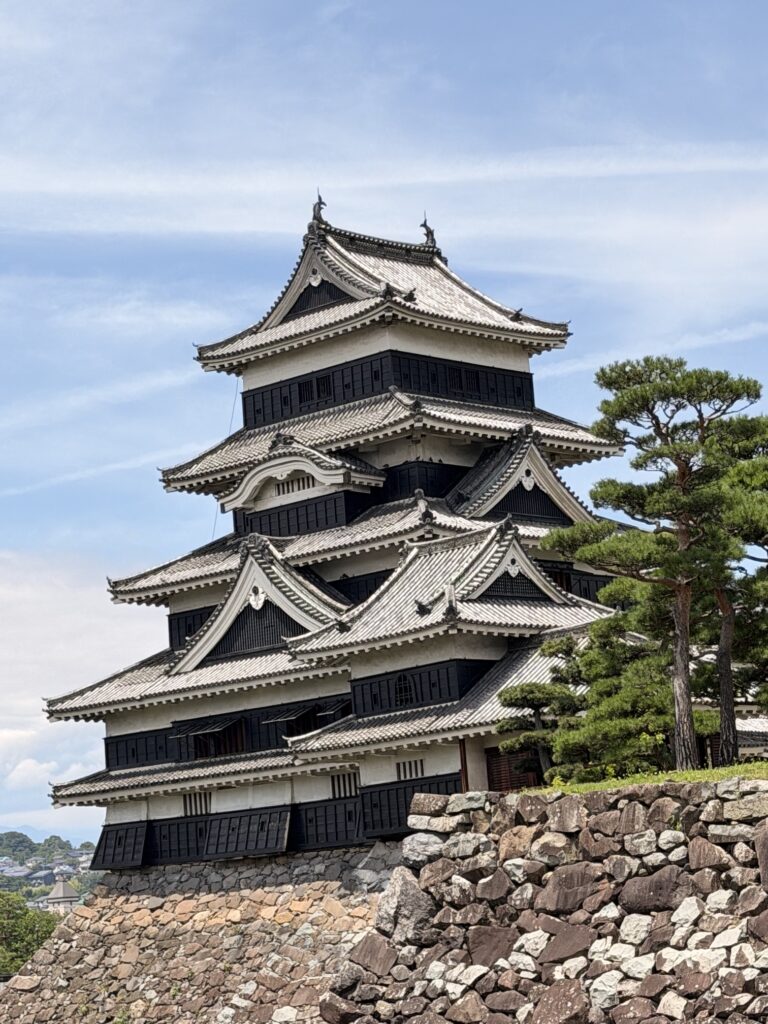
Begin your day at the city’s most iconic landmark, Matsumoto Castle, one of only 12 original castles remaining in Japan. Nicknamed the “Crow Castle” because of its striking black exterior, the castle dates back to the late 1500s and is considered one of the country’s finest historic landmarks.
Take time to stroll around the surrounding moat before heading inside. If you’re happy to tackle the castle’s steep wooden staircases, you’ll be rewarded with panoramic views from the top floor and fascinating exhibits detailing the castle’s history. We also found that arriving early meant fewer crowds and some of the best photo opportunities.
Wander Along Nakamachi Street
Just a short walk from the castle is Nakamachi Street, one of our favourite areas in Matsumoto. This beautifully preserved merchant district is lined with traditional white-walled kura storehouses that have been transformed into cafés, boutique shops, art galleries, and local craft stores.
It’s the perfect place to slow down, browse for souvenirs, and enjoy the relaxed atmosphere. Be sure to stop for a coffee or matcha while admiring the historic architecture that gives this street so much character.
Explore Nawate Street (Frog Street)
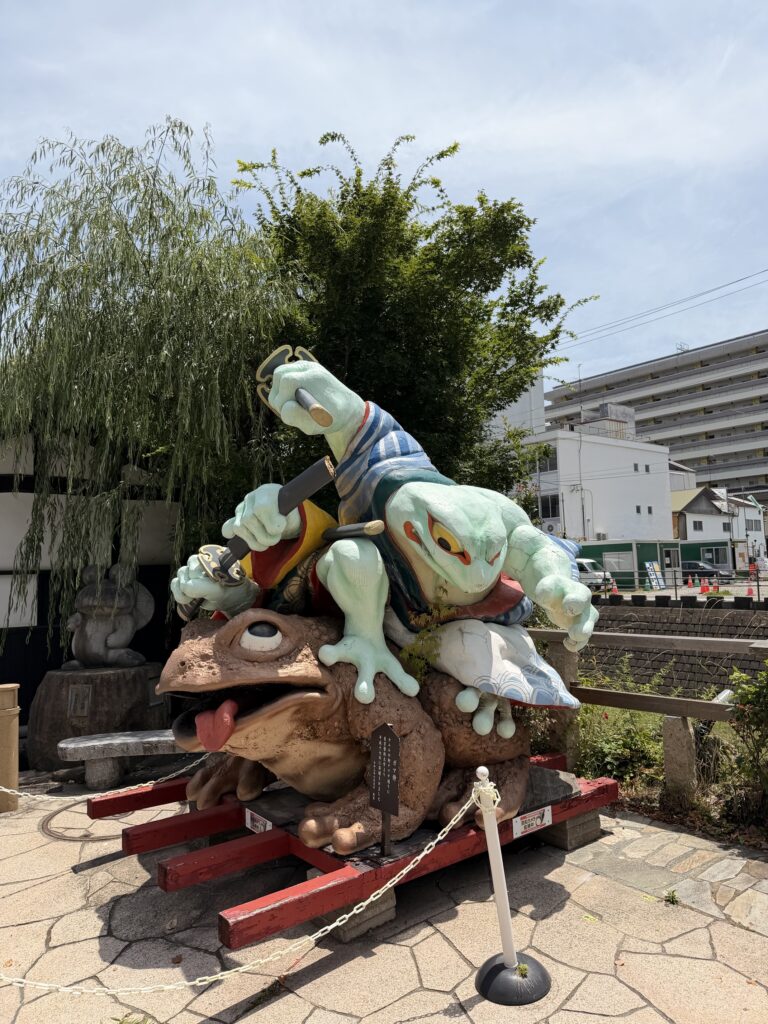
Next, make your way to nearby Nawate Street, affectionately known as Frog Street. Running alongside the Metoba River, this charming pedestrian street is filled with quirky independent shops, food stalls, sweet treats, and frog-themed decorations inspired by the river’s once-abundant frog population.
It’s a fun place to wander, sample local snacks, and pick up unique gifts. If you’re visiting on a weekend, you may even come across street performers or local markets.
Enjoy Lunch at a Traditional Soba Restaurant
Nagano Prefecture is famous for its buckwheat noodles, so no visit to Matsumoto is complete without trying authentic shinshu soba. Whether you prefer your noodles served cold with a dipping sauce or in a comforting hot broth, you’ll find plenty of excellent local restaurants around Nakamachi and the city centre.
Pair your meal with local tempura or seasonal vegetables for a delicious taste of the region.
Visit the Matsumoto City Museum of Art
Spend your afternoon exploring the Matsumoto City Museum of Art, best known for celebrating the work of internationally renowned artist Yayoi Kusama, who was born in Matsumoto. The museum features several of her colourful installations alongside rotating exhibitions showcasing Japanese and international artists.
Even if you’re not an art enthusiast, the famous polka-dot pumpkin outside the museum is worth seeing and makes for a great photo stop.
Relax in Agatanomori Park (Optional)
If time allows, take a leisurely stroll through Agatanomori Park. This peaceful green space is a lovely place to escape the busier streets and unwind before the end of your day. During spring, the park is particularly beautiful when the cherry blossoms are in bloom.
Finish the Day with Dinner and Drinks
End your day by exploring Matsumoto’s local food scene. The city has plenty of cosy izakayas serving grilled skewers, fresh sashimi, and regional specialities, alongside bars where you can sample sake brewed in Nagano Prefecture.
After dinner, enjoy one final walk through the softly illuminated streets before heading back to the station or settling into your accommodation. Matsumoto’s relaxed atmosphere is one of the many reasons it became one of our favourite places in Japan.
Best Time to Visit Matsumoto
Matsumoto is a fantastic destination to visit year-round, with each season offering something unique. Whether you’re hoping to see cherry blossoms, colourful autumn leaves, or snow-capped mountain views, there’s never really a bad time to explore this charming city.
Spring (March to May)
Spring is one of the most popular times to visit Matsumoto. Cherry blossoms usually bloom in early to mid-April, transforming the grounds of Matsumoto Castle into one of the most picturesque spots in Japan. Mild temperatures also make it ideal for wandering Nakamachi Street and Nawate Street without the intense summer heat.
Summer (June to August)
Summer brings warm weather and lush green scenery, making it a great time for sightseeing and exploring the nearby Japanese Alps. While June can see some rainfall, July and August are perfect if you’re planning to combine Matsumoto with hiking destinations such as Kamikochi. Expect warmer temperatures and more visitors during the school holidays.
Autumn (September to November)
Autumn was our favourite time to visit Matsumoto. The cooler temperatures make walking around the city incredibly comfortable, while the surrounding mountains come alive with stunning shades of red, orange, and gold. It’s also one of the best seasons for photography, especially around Matsumoto Castle and the nearby parks.
Winter (December to February)
Winter offers a quieter experience, with fewer tourists and beautiful views of the snow-covered Japanese Alps. Although temperatures can drop below freezing, the crisp weather creates a magical atmosphere around the castle. It’s also an excellent base for visiting nearby ski resorts or relaxing in one of Nagano Prefecture’s famous hot springs.
Our Recommendation
If you’re looking for the best overall experience, we recommend visiting Matsumoto in spring (April) for the cherry blossoms or autumn (October to early November) for the spectacular autumn colours. We visited during autumn and loved the relaxed atmosphere, comfortable weather, and beautiful scenery, making it one of the highlights of our trip around Japan.
Where to Stay in Matsumoto (If You’re Extending Your Trip)
Although Matsumoto can easily be visited as a day trip, we’d highly recommend spending a night if your itinerary allows. Staying overnight gives you the chance to experience the city after the day-trippers have left, enjoy its fantastic food scene, and take a more relaxed approach to exploring. Matsumoto also makes an excellent base for visiting nearby destinations like Kamikochi, the Japanese Alps, and the historic Nakasendo Trail.
Best Area for First-Time Visitors
For most travellers, staying near Matsumoto Station is the best choice. The station is within easy walking distance of Matsumoto Castle, Nakamachi Street, Nawate Street, restaurants, cafés, and shops, making it incredibly convenient if you’re only staying for one or two nights. You’ll also have easy access to trains and buses for onward travel. This is where we stayed and it was an excellent base to explore from as well as being within easy walking distance to the train and bus station for travel days.
Best Budget Hotels
Matsumoto has plenty of affordable accommodation that offers excellent value for money. Business hotels around the station provide clean, comfortable rooms with modern facilities, while several guesthouses and hostels are ideal for backpackers and budget-conscious travellers. Staying in this area means you can explore the city on foot without relying on public transport.
Best Traditional Ryokan Experience
For a more authentic Japanese stay, consider booking a traditional ryokan. Many ryokans feature tatami mat rooms, futon beds, communal baths, and multi-course Japanese breakfasts or dinners. Some are located in central Matsumoto, while others can be found in the nearby hot spring areas, offering a peaceful retreat after a day of sightseeing.
Whether you’re looking for a budget-friendly hotel, a comfortable city stay, or a traditional ryokan experience, Matsumoto has accommodation to suit every style of traveller.
Travel Tips for Visiting Matsumoto
A little planning can make your visit to Matsumoto even more enjoyable. Here are our top tips to help you make the most of your time in this charming mountain city.
- Arrive early at Matsumoto Castle. It’s the city’s most popular attraction, and queues to enter can become quite long later in the day, especially during cherry blossom season and weekends.
- Wear comfortable walking shoes. Most of Matsumoto’s main attractions are within walking distance of each other, so you’ll spend much of the day exploring on foot.
- Carry some cash. While credit cards are accepted in many hotels and larger restaurants, some smaller cafés, local shops, and family-run eateries still prefer cash.
- Try the local soba noodles. Matsumoto is famous for its Shinshu soba, made using buckwheat grown in Nagano Prefecture. It’s one of the region’s must-try dishes.
- Visit during spring or autumn. These seasons offer the most pleasant weather, with cherry blossoms in April and stunning autumn foliage from October into early November.
- Pack layers. Even in summer, mornings and evenings can feel cool thanks to Matsumoto’s location near the Japanese Alps.
- Use Matsumoto as a base. If you have extra time, the city is an excellent starting point for day trips to Kamikochi, Narai-juku, the Nakasendo Trail, and other scenic destinations in Nagano Prefecture.
- Respect local etiquette. Speak quietly on public transport, dispose of rubbish responsibly, and be mindful when visiting temples, shrines, and other cultural sites.
- Stay overnight if you can. While Matsumoto is a popular day trip, spending a night lets you experience the city after the crowds have gone and enjoy its relaxed evening atmosphere.
With its walkable streets, historic attractions, and welcoming atmosphere, Matsumoto quickly became one of our favourite places in Japan. Whether you’re visiting for a day or using it as a base to explore the Japanese Alps, it’s a destination that’s well worth adding to your itinerary.
Frequently Asked Questions About Spending One Day in Matsumoto
Is one day enough for Matsumoto?
Yes, one day is enough to see Matsumoto’s main attractions, including Matsumoto Castle, Nakamachi Street, Nawate Street, and the Matsumoto City Museum of Art. Thanks to the city’s compact and walkable centre, you can comfortably explore the highlights in a single day. If you have extra time, staying overnight allows you to enjoy the local food scene and nearby attractions at a more relaxed pace.
Is Matsumoto worth visiting?
Absolutely. Matsumoto is one of Japan’s most underrated cities, offering a mix of history, culture, traditional architecture, and stunning mountain scenery. It feels far less crowded than many of Japan’s major tourist destinations, making it perfect for travellers looking to experience a more authentic side of the country.
Can you visit Matsumoto as a day trip from Tokyo?
Yes. Matsumoto is an easy day trip from Tokyo thanks to the direct Limited Express Azusa train from Shinjuku Station. The journey takes around 2.5 to 3 hours each way, making it possible to visit in a day, although staying overnight gives you more time to explore.
What is Matsumoto famous for?
Matsumoto is best known for Matsumoto Castle, one of Japan’s 12 original castles and one of the country’s most beautiful historic landmarks. The city is also famous for its traditional merchant streets, Shinshu soba noodles, local sake, the Matsumoto City Museum of Art, and its location at the gateway to the Japanese Alps.
When is the best time to visit Matsumoto?
The best times to visit Matsumoto are spring (April) for cherry blossoms and autumn (October to early November) for colourful autumn foliage. These seasons offer pleasant temperatures and beautiful scenery, making them ideal for sightseeing and photography.
Is Matsumoto walkable?
Yes. Matsumoto is one of Japan’s most walkable cities. Most major attractions, restaurants, cafés, and shopping streets are within a 10 to 20-minute walk of Matsumoto Station, so there’s rarely a need to use public transport within the city centre.
What food should you try in Matsumoto?
Don’t leave without trying Shinshu soba, the region’s famous buckwheat noodles. Matsumoto is also known for locally brewed sake, oyaki (stuffed dumplings), and dishes made with fresh produce from Nagano Prefecture.


One Comment