
Nikko National Park: The Ultimate Travel Guide for First-Time Visitors
If you’re looking for a destination that combines stunning natural scenery, historic temples and some of Japan’s best hiking, Nikko National Park should be at the top of your list. Located just a few hours north of Tokyo, the park is famous for its UNESCO World Heritage shrines, dramatic waterfalls, mountain landscapes and relaxing hot springs. Whether you’re planning a day trip from Tokyo or a longer outdoor adventure, Nikko offers a perfect mix of culture and nature.
From the ornate Toshogu Shrine and the breathtaking Kegon Falls to the peaceful trails around Lake Chuzenji and Senjogahara Marshland, there’s something here for every type of traveller. In this guide, I’ll cover the best things to do in Nikko National Park, how to get there, the best time to visit and essential travel tips to help you plan an unforgettable trip in 2026.
Here’s an SEO-optimised section for your blog:
Why Visit Nikko National Park?
Nikko National Park is one of Japan’s most spectacular natural destinations, offering the perfect blend of breathtaking landscapes, rich history and outdoor adventure. Just a couple of hours from Tokyo, it’s an ideal escape from the city’s fast pace, with peaceful forests, volcanic mountains, crystal-clear lakes and some of Japan’s most impressive waterfalls.
The park is also home to the UNESCO World Heritage-listed Toshogu Shrine, one of the country’s most elaborate and beautifully decorated shrines. Beyond its cultural landmarks, Nikko is a paradise for nature lovers. You can admire the 97-metre-high Kegon Falls, walk through the scenic Senjogahara Marshland, drive the famous Irohazaka Winding Road or soak in a traditional onsen surrounded by mountains.
One of the best things about Nikko National Park is its year-round beauty. Spring brings colourful wildflowers, summer offers excellent hiking weather, autumn transforms the mountains into brilliant shades of red, orange and gold, while winter blankets the landscape in snow, creating a peaceful and magical atmosphere.
Whether you’re looking for scenic hikes, incredible photography spots, cultural experiences or simply a relaxing getaway in nature, Nikko National Park is one of the best places to visit in Japan. It easily deserves a place on any Japan itinerary, whether you’re visiting for a day or spending a few nights exploring everything the park has to offer.
Where Is Nikko National Park?
Nikko National Park is located in Tochigi Prefecture, around 125 kilometres (78 miles) north of Tokyo. Covering more than 1,100 square kilometres, it’s one of Japan’s most diverse national parks, stretching across Tochigi, Gunma, Fukushima and Niigata prefectures. The park is easily accessible from the capital, making it one of the most popular day trips from Tokyo.
The park is divided into several areas, each offering something unique. The Nikko town area is home to the famous UNESCO World Heritage shrines and temples, including the stunning Toshogu Shrine. Further into the mountains, you’ll find Lake Chuzenji, the spectacular Kegon Falls, the scenic Irohazaka Winding Road, and the hiking trails of Senjogahara Marshland. The northern section of the park features Yumoto Onsen, a traditional hot spring town surrounded by forests and volcanic landscapes.
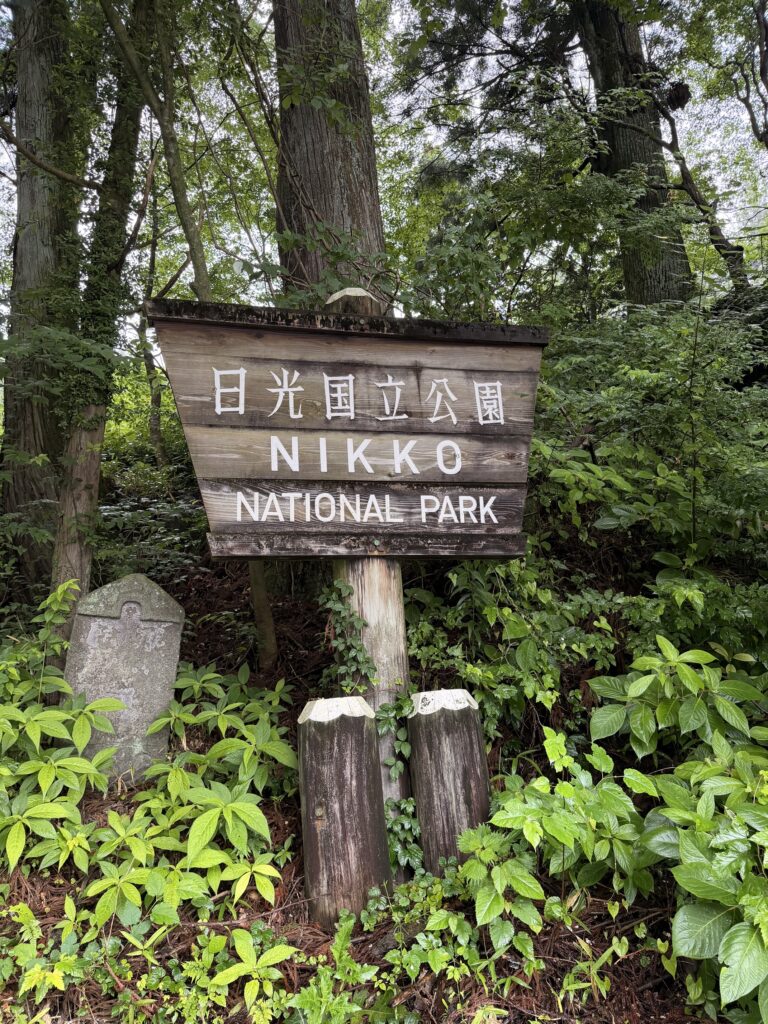
Thanks to its convenient location and excellent public transport connections, Nikko National Park is easy to visit whether you’re travelling by train, car or as part of a guided tour. Its combination of cultural landmarks and incredible natural scenery makes it one of the most rewarding destinations to explore during a trip to Japan.
How to Get to Nikko National Park from Tokyo
Nikko National Park is one of the easiest national parks to visit from Tokyo, making it a popular choice for both day trips and overnight stays. Depending on your budget and travel style, you can reach Nikko by train, car or organised tour.
By Train (Recommended)
The fastest and most convenient way to get to Nikko National Park is by train. From Asakusa Station, take the Tobu Limited Express directly to Tobu-Nikko Station. The journey takes around 1 hour 50 minutes and is often the most affordable option for travellers.
If you have a Japan Rail Pass, you can travel from Tokyo Station or Ueno Station on the Tohoku Shinkansen to Utsunomiya, then transfer to the JR Nikko Line for Nikko Station. This journey takes approximately 1 hour 40 minutes.
Once you arrive at Tobu-Nikko Station or JR Nikko Station, regular buses connect visitors to the park’s main attractions, including Toshogu Shrine, Lake Chuzenji, Kegon Falls, Ryuzu Falls and Yumoto Onsen.
By Car
Hiring a car gives you the greatest flexibility, especially if you want to explore the more remote areas of Nikko National Park. The drive from central Tokyo takes around 2.5 to 3 hours, depending on traffic. Having your own vehicle makes it much easier to visit places like Senjogahara Marshland, Ryuzu Falls and Yumoto Onsen at your own pace.
Keep in mind that roads around Lake Chuzenji and the Irohazaka Winding Road can become busy during the autumn foliage season, so setting off early is recommended.
By Guided Tour
If you’re short on time or prefer not to organise transport yourself, several companies offer day tours from Tokyo to Nikko National Park. These tours typically include transport and visits to highlights such as Toshogu Shrine, Kegon Falls and Lake Chuzenji, making them a convenient option for first-time visitors.
No matter how you choose to travel, Nikko National Park is an easy and rewarding escape from Tokyo, offering a perfect mix of Japan’s cultural heritage and spectacular natural scenery.
Best Time to Visit Nikko National Park
Nikko National Park is a fantastic destination throughout the year, with each season offering its own unique scenery and activities. Whether you want to see vibrant autumn leaves, hike through lush forests or enjoy snow-covered landscapes, there’s no bad time to visit.
Spring (March to May)
Spring is one of the best times to visit Nikko National Park. As the snow melts, cherry blossoms begin to bloom in the lower areas while the forests come alive with fresh greenery and colourful wildflowers. Temperatures are mild, making it an excellent season for sightseeing around Toshogu Shrine and exploring the park’s walking trails before the summer crowds arrive.
Summer (June to August)
Summer brings warm temperatures and is the perfect time for hiking and outdoor adventures. Popular spots such as Lake Chuzenji, Senjogahara Marshland and Ryuzu Falls are at their most vibrant, while the higher elevation means temperatures are cooler than in Tokyo. Keep in mind that June marks the rainy season, so waterproof clothing is recommended.
Autumn (September to November)
Autumn is widely considered the best time to visit Nikko National Park. The mountains transform into stunning shades of red, orange and gold, attracting visitors from across Japan and around the world. Scenic drives along the Irohazaka Winding Road, walks around Lake Chuzenji, and viewpoints overlooking Kegon Falls are particularly spectacular during peak foliage, which typically occurs from mid-October to early November.
Because this is the busiest season, it’s worth booking accommodation and train tickets well in advance.
Winter (December to February)
Winter offers a quieter and more peaceful experience. Snow blankets the mountains, waterfalls and temples, creating a magical atmosphere that’s perfect for photography. While some hiking trails may close due to snow, attractions such as Toshogu Shrine, Kegon Falls and Yumoto Onsen remain popular. Soaking in a hot spring while surrounded by snowy scenery is one of the most memorable experiences Nikko has to offer.
When Is the Best Time to Visit?
For most travellers, October and early November are the best months to visit Nikko National Park thanks to the incredible autumn colours. However, if you prefer fewer crowds and comfortable weather, April, May and late September are excellent alternatives. Summer is ideal for hiking, while winter offers beautiful snowy landscapes and relaxing hot spring experiences.
No matter when you visit, Nikko National Park showcases a different side of Japan’s natural beauty in every season, making it a destination that’s worth returning to throughout the year.
Best Things to Do in Nikko National Park
From ancient shrines hidden among towering cedar trees to dramatic waterfalls, scenic hiking trails and relaxing hot springs, Nikko National Park is packed with unforgettable experiences. Whether you’re visiting on a day trip from Tokyo or spending several days exploring the area, these are the top attractions you shouldn’t miss.
Visit Toshogu Shrine
No visit to Nikko National Park is complete without exploring Toshogu Shrine, one of Japan’s most spectacular and historically significant religious sites.
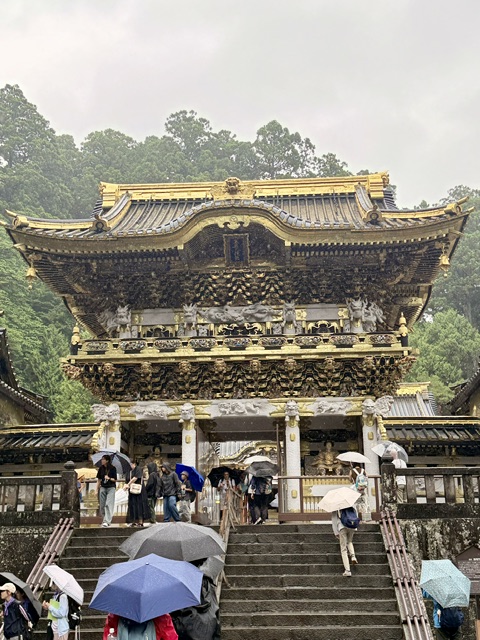
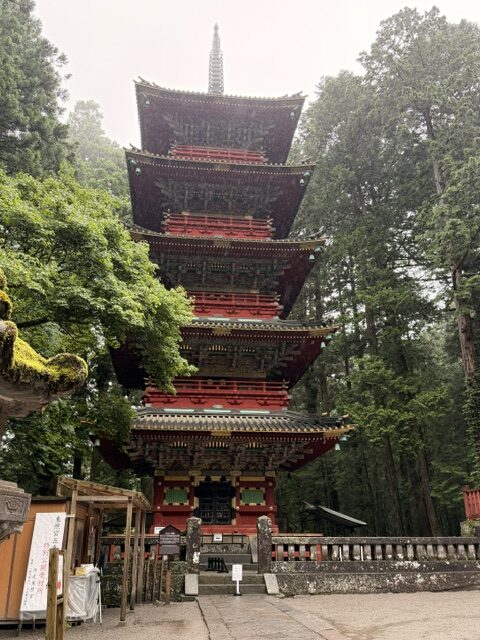
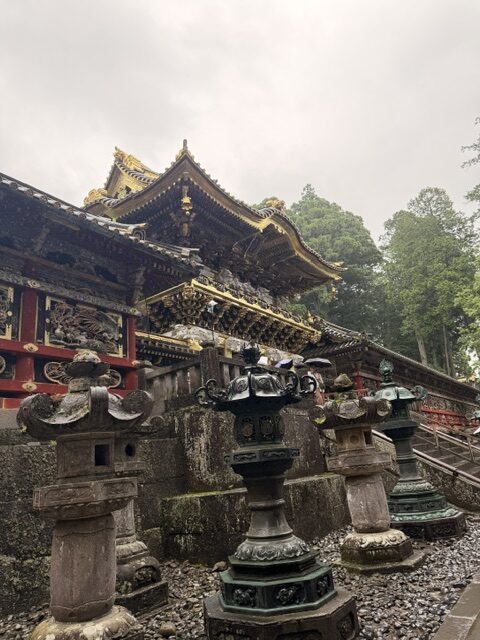
Designated as part of the UNESCO World Heritage Site “Shrines and Temples of Nikko,” Toshogu Shrine is the final resting place of Tokugawa Ieyasu, the founder of the Tokugawa Shogunate, which ruled Japan for over 250 years.
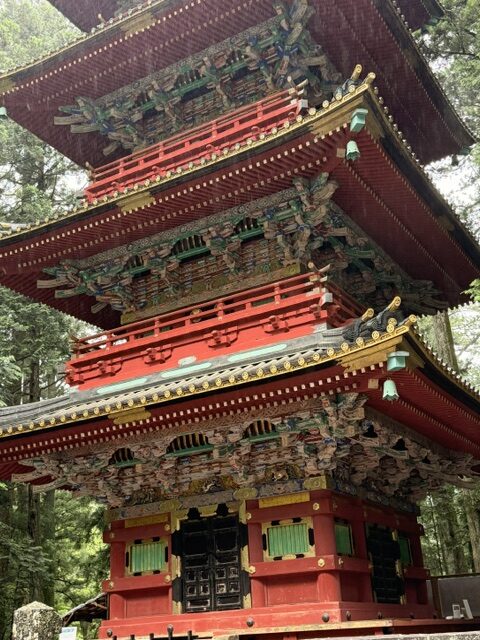
Unlike many traditional Japanese shrines known for their minimalist design, Toshogu is famous for its lavish decorations, intricate wood carvings and vibrant gold leaf detailing. Surrounded by centuries-old cedar trees, the shrine feels both grand and peaceful, making it one of the country’s most photographed landmarks.
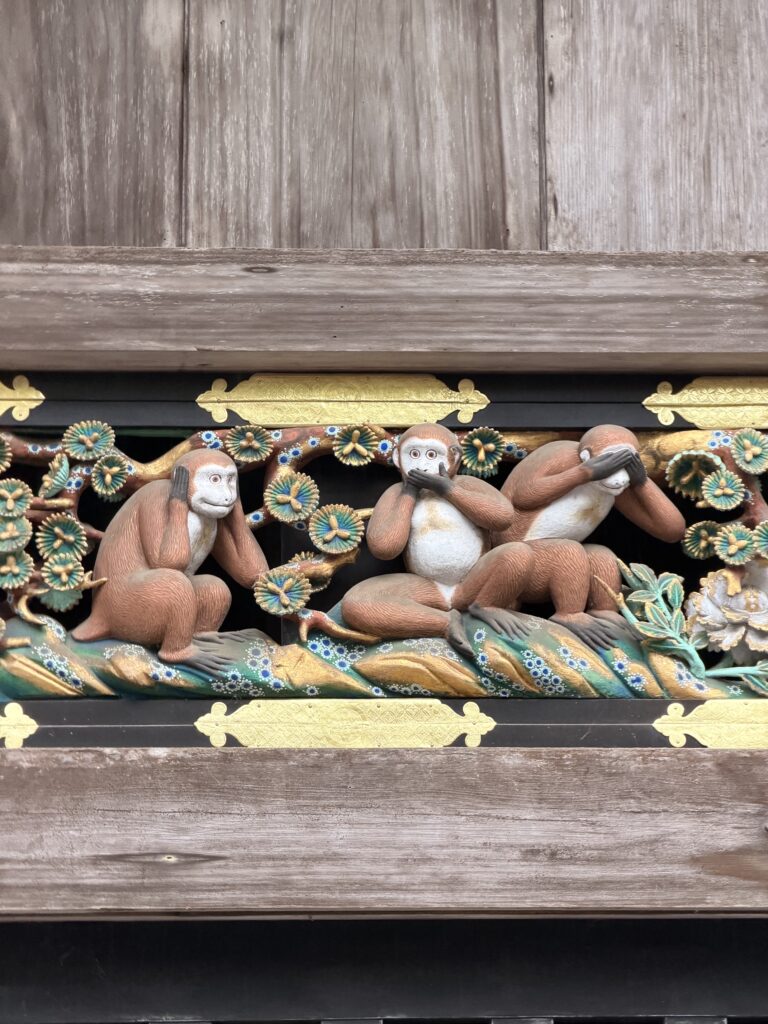
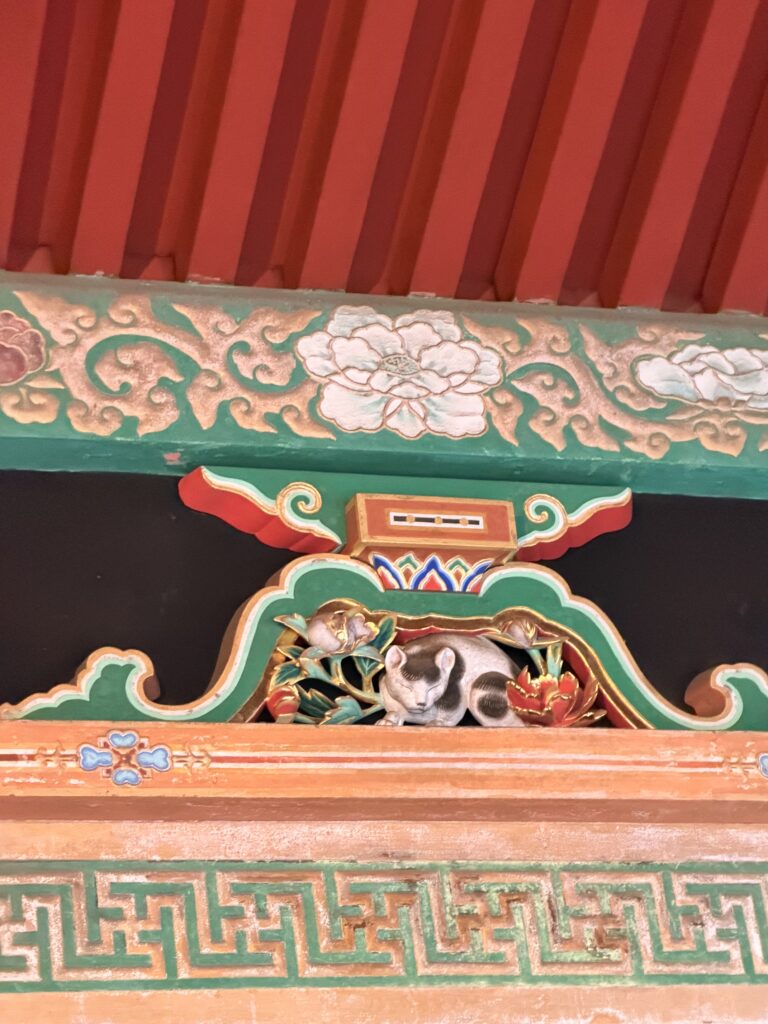
As you explore the shrine complex, be sure to look out for some of its most famous features. The beautifully decorated Yomeimon Gate, often called the “Gate of Sunlight,” is covered in hundreds of detailed carvings and is considered a masterpiece of Japanese architecture. Nearby, you’ll find the world-famous Three Wise Monkeys, depicting the saying “see no evil, hear no evil, speak no evil,” along with the beautifully carved Sleeping Cat (Nemuri Neko), another iconic symbol of the shrine.
The surrounding forest paths and historic buildings make it easy to spend several hours wandering the grounds. Arriving early in the morning is highly recommended, especially during weekends and the autumn foliage season, when Toshogu Shrine attracts large crowds.
Whether you’re interested in Japanese history, architecture or photography, Toshogu Shrine is the cultural highlight of Nikko National Park and an essential stop on any visit.
Admire Kegon Falls
One of the most breathtaking sights in Nikko National Park, Kegon Falls is considered one of Japan’s three most beautiful waterfalls. Standing 97 metres (318 feet) tall, the waterfall plunges dramatically from Lake Chuzenji into the valley below, creating a spectacular display that can be enjoyed in every season.
There are two main viewpoints to experience the falls. The free observation platform offers fantastic panoramic views from above, while a paid elevator takes visitors down to a lower viewing deck at the base of the falls. From here, you’ll feel the power of the cascading water up close and enjoy an even more impressive perspective.
Kegon Falls is particularly popular during autumn, when the surrounding mountains are covered in vibrant shades of red, orange and yellow, creating one of Japan’s most iconic fall foliage landscapes. In winter, the waterfall often partially freezes, transforming into a stunning icy spectacle that looks completely different from the warmer months.
Located just a short walk from Lake Chuzenji and the local bus stop, Kegon Falls is easy to combine with other nearby attractions such as the Akechidaira Ropeway and the scenic lakeside walking trails. Allow around 30 to 60 minutes to enjoy the viewpoints and take in the scenery.
Whether you’re visiting for the colourful autumn leaves, lush summer greenery or magical winter landscapes, Kegon Falls is one of the must-see natural attractions in Nikko National Park and a highlight of any trip to the region.
Explore Lake Chuzenji
Nestled at the foot of Mount Nantai, Lake Chuzenji is one of the most beautiful spots in Nikko National Park. Formed by a volcanic eruption over 20,000 years ago, the lake sits at an elevation of 1,269 metres (4,163 feet), making it Japan’s highest natural lake. Surrounded by forested mountains, it offers breathtaking scenery and a peaceful escape from the busier areas of the park.
A walk along the lakeshore is one of the best ways to take in the views, with plenty of spots to stop for photos or simply enjoy the tranquil surroundings. During autumn, the shoreline is transformed by vibrant red, orange and golden leaves, making it one of the best places in Japan to experience the country’s famous fall colours.
If you’re looking to spend more time on the water, sightseeing cruises operate across the lake, offering a unique perspective of the surrounding mountains and forests. You can also rent kayaks or canoes during the warmer months, while nearby cafés and restaurants provide the perfect place to relax with a meal or coffee overlooking the water.
Lake Chuzenji is also an excellent base for exploring other attractions in the area. Kegon Falls is just a short walk away, while hiking trails lead to Ryuzu Falls, Senjogahara Marshland and the summit of Mount Nantai for more adventurous visitors.
Whether you’re enjoying a peaceful lakeside stroll, taking a boat cruise or using the lake as a starting point for exploring the surrounding mountains, Lake Chuzenji is one of the highlights of Nikko National Park and a destination that shouldn’t be missed.
Visit Shinkyo Bridge
One of Nikko’s most recognisable landmarks, Shinkyo Bridge is a must-visit during your trip to Nikko National Park. Painted a striking vermilion red and spanning the crystal-clear Daiya River, this elegant bridge is considered one of Japan’s three finest traditional bridges and serves as the symbolic gateway to Nikko’s sacred shrines and temples.
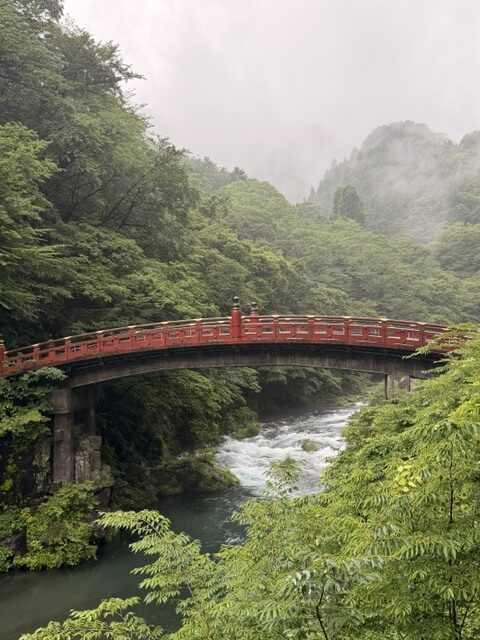
According to local legend, the bridge marks the spot where the Buddhist monk Shodo Shonin crossed the river in the 8th century with the help of two giant serpents sent by a mountain deity. Today, Shinkyo Bridge remains an important cultural and spiritual landmark, attracting visitors with both its fascinating history and stunning setting.
While the bridge can be admired for free from the roadside, visitors can also pay a small entrance fee to walk across it and enjoy beautiful views of the river and surrounding forest. The scenery is spectacular throughout the year, from the fresh greenery of spring and summer to the vibrant autumn foliage and snow-covered landscapes in winter.
Located just a short walk from Toshogu Shrine, Shinkyo Bridge is an easy stop to include while exploring Nikko’s UNESCO World Heritage area. Its picturesque setting makes it one of the most photographed spots in the region and a perfect place to begin your journey through Nikko National Park.
Relax in an Onsen
After a day of hiking, sightseeing and exploring Nikko National Park, there’s no better way to unwind than by soaking in a traditional Japanese onsen. The park is home to several natural hot springs, with Yumoto Onsen being the most famous. Nestled high in the mountains beside Lake Yunoko, this peaceful hot spring town has been welcoming visitors for centuries thanks to its mineral-rich, sulphuric waters.
Many of the area’s ryokans (traditional Japanese inns) offer indoor and outdoor onsen baths, allowing you to relax while taking in views of the surrounding forests and mountains. Even if you’re not staying overnight, several bathhouses welcome day visitors, making it easy to enjoy this classic Japanese experience.
The atmosphere changes beautifully with the seasons. In autumn, you can soak while surrounded by colourful foliage, while winter offers the unforgettable experience of bathing in steaming hot water as snow blankets the landscape. It’s the perfect way to warm up after a day spent exploring Nikko’s waterfalls, lakes and hiking trails.
If you’re planning to visit an onsen, remember to follow Japanese bathing etiquette. Wash thoroughly before entering the baths, avoid wearing swimwear unless specifically permitted, and keep towels out of the water. Visitors with larger tattoos should check the rules in advance, as some traditional onsens still have tattoo restrictions.
Whether you choose a luxurious ryokan or a simple public bath, relaxing in an onsen is one of the most authentic and memorable experiences you can have in Nikko National Park. It provides the perfect opportunity to slow down, recharge and enjoy the region’s natural beauty in true Japanese style.
Best Hiking Trails in Nikko National Park
Nikko National Park is one of Japan’s top hiking destinations, with trails ranging from gentle boardwalks through peaceful marshland to challenging mountain climbs. Whether you’re an experienced hiker or simply looking for a scenic walk, the park offers incredible views of waterfalls, volcanic lakes, forests and alpine landscapes.
Senjogahara Marshland Trail
One of the park’s most popular and accessible hikes, the Senjogahara Marshland Trail follows wooden boardwalks through a vast highland marsh surrounded by mountains. The mostly flat route takes around 2–3 hours to complete and is ideal for beginners. Along the way, you’ll enjoy sweeping views, seasonal wildflowers and opportunities to spot local wildlife, making it one of the best walks in Nikko National Park.
Ryuzu Falls to Lake Yunoko Trail
This scenic trail links Ryuzu Falls, one of Nikko’s most beautiful waterfalls, with the peaceful shores of Lake Yunoko. The route passes through forests and wetlands before reaching the relaxing hot spring town of Yumoto Onsen. It’s a moderate hike that typically takes 2–3 hours, making it a great option for those wanting to experience several of the park’s highlights in one walk.
Mount Nantai
For experienced hikers, climbing Mount Nantai is one of the most rewarding adventures in Nikko National Park. Rising to 2,486 metres (8,156 feet), the mountain overlooks Lake Chuzenji and offers spectacular panoramic views from the summit. The hike is steep and challenging, taking around 6–8 hours for a round trip, so a good level of fitness and plenty of water are essential.
Odashirogahara Nature Trail
Often quieter than nearby Senjogahara, the Odashirogahara Nature Trail offers a peaceful walk through open grasslands and forests. The area is famous for the iconic “Lady of the Marsh,” a lone white birch tree standing in the middle of the landscape. This easy trail is especially beautiful during autumn, when the surrounding grasses turn golden.
Tips for Hiking in Nikko National Park
- Wear comfortable hiking boots or sturdy walking shoes.
- Carry plenty of water and snacks, especially on longer hikes.
- Dress in layers, as temperatures can change quickly at higher elevations.
- Check weather forecasts before setting off, particularly during autumn and winter.
- Stay on marked trails to help protect the park’s fragile ecosystems.
- Start early if you’re hiking popular routes, especially during the autumn foliage season.
Whether you’re looking for a relaxing nature walk or a full-day mountain adventure, the hiking trails in Nikko National Park offer some of the most spectacular scenery in Japan. With waterfalls, marshlands, volcanic peaks and peaceful forests, it’s a paradise for outdoor enthusiasts and photographers alike.
How Many Days Do You Need in Nikko National Park?
The amount of time you should spend in Nikko National Park depends on what you want to see. While it’s possible to visit the main highlights on a day trip from Tokyo, spending 2–3 days allows you to experience the park at a more relaxed pace and explore its stunning natural landscapes.
1 Day
A day trip is ideal if you’re short on time. You can visit Toshogu Shrine, admire Shinkyo Bridge, take in the views at Kegon Falls, and explore Lake Chuzenji before returning to Tokyo. It’s a busy itinerary, but it’s a great way to experience Nikko’s most famous attractions.
2 Days
Two days gives you enough time to see the major sights without rushing. On your first day, explore Nikko’s UNESCO World Heritage sites, including Toshogu Shrine and Shinkyo Bridge. On the second day, head deeper into the national park to visit Lake Chuzenji, Kegon Falls, Ryuzu Falls, and enjoy a hike through Senjogahara Marshland. You can finish the day by relaxing in a traditional onsen.
3 Days or More
If you love hiking, photography or simply want to slow down, three days or more is the perfect amount of time. You’ll have the opportunity to tackle longer trails such as Mount Nantai, spend more time around Lake Yunoko and Yumoto Onsen, or enjoy scenic drives and quieter areas of the park away from the main tourist routes.
Our Recommendation
For most travellers, 2 days is the ideal amount of time to spend in Nikko National Park. It allows you to experience both the historic temples and shrines around Nikko town and the breathtaking natural attractions found deeper within the park, without feeling rushed. If your itinerary only allows for a day trip, you’ll still be able to see many of the park’s highlights, but an overnight stay lets you experience Nikko’s peaceful atmosphere once the day-trip crowds have left. We stayed for two nights which in the middle of rainy season was plenty time.
Where to Stay in Nikko National Park
Whether you’re planning a quick getaway or a longer hiking adventure, there are several great areas to stay in Nikko National Park. From convenient hotels near the UNESCO World Heritage sites to traditional ryokans overlooking mountain lakes, choosing the right base can make your trip even more enjoyable.
Nikko Town – Best for First-Time Visitors
If it’s your first visit, Nikko Town is the best place to stay. Located close to Tobu-Nikko Station and JR Nikko Station, it’s the most convenient base for exploring attractions such as Toshogu Shrine, Shinkyo Bridge, and the historic temple district. You’ll also find a wide range of accommodation, from budget hostels and guesthouses to comfortable hotels and traditional ryokans, along with restaurants, cafés and shops.
Lake Chuzenji – Best for Scenic Views
For stunning mountain scenery, consider staying near Lake Chuzenji. Many lakeside hotels and ryokans offer beautiful views across the water, especially during the autumn foliage season. It’s also an excellent base for visiting Kegon Falls, Ryuzu Falls, and nearby hiking trails, making it a favourite for nature lovers and photographers.
Yumoto Onsen – Best for Relaxation
If you’re looking to experience a traditional Japanese hot spring, Yumoto Onsen is the perfect choice. This peaceful mountain village is known for its mineral-rich hot springs, traditional inns and tranquil atmosphere. It’s also a great base for exploring Lake Yunoko, the Senjogahara Marshland hiking trails, and the northern section of Nikko National Park.
Budget Accommodation
Budget travellers will find the best value in Nikko Town, where hostels, guesthouses and simple hotels provide affordable accommodation within easy reach of the train stations and local bus network. Staying here also makes it easy to take day trips to the park’s main attractions without needing a car.
Booking Tips
Accommodation in Nikko can book up quickly, particularly during the autumn foliage season (October to early November) and on weekends. If you’re planning to visit during these popular periods, it’s worth reserving your hotel or ryokan several months in advance to secure the best choice and prices.
No matter where you stay, you’ll be surrounded by spectacular scenery and have easy access to Nikko National Park’s waterfalls, hiking trails, historic shrines and relaxing hot springs. For most visitors, Nikko Town offers the best balance of convenience, accommodation options and access to the park’s top attractions.
Essential Travel Tips for Visiting Nikko National Park
A little planning goes a long way when visiting Nikko National Park. These practical tips will help you make the most of your trip, whether you’re visiting on a day trip from Tokyo or staying for several nights.
- Start your day early. Popular attractions such as Toshogu Shrine, Kegon Falls, and Lake Chuzenji become busy by mid-morning, especially during weekends and the autumn foliage season.
- Use the local bus network. While Nikko Town is easy to explore on foot, buses connect the main attractions throughout the national park, including Lake Chuzenji, Ryuzu Falls and Yumoto Onsen. Consider purchasing a bus pass if you plan to visit multiple sites.
- Wear comfortable walking shoes. Even if you’re not planning a hike, you’ll cover plenty of ground exploring shrines, waterfalls and scenic viewpoints.
- Dress for changing weather. Temperatures in the mountains are often much cooler than in Tokyo, particularly around Lake Chuzenji and Yumoto Onsen. Bring extra layers, even during summer.
- Carry cash. Although many hotels, restaurants and attractions accept cards, some smaller cafés, souvenir shops and local businesses may still prefer cash.
- Book accommodation early. Hotels and traditional ryokans fill up quickly during the autumn foliage season and Japanese public holidays, so it’s best to reserve well in advance.
- Follow onsen etiquette. If you plan to visit a hot spring, wash thoroughly before entering the bath, avoid wearing swimwear unless permitted, and check tattoo policies in advance.
- Pack water and snacks. If you’re hiking or travelling beyond Nikko Town, shops and restaurants become less frequent, so it’s a good idea to bring refreshments with you.
- Allow extra travel time during autumn. Roads such as the Irohazaka Winding Road and buses to Lake Chuzenji can become extremely busy during peak autumn colours.
- Respect nature and cultural sites. Stay on marked hiking trails, take your rubbish with you, and be respectful when visiting shrines, temples and other sacred areas.
With its breathtaking scenery, historic landmarks and excellent hiking opportunities, Nikko National Park is one of Japan’s most rewarding destinations. By planning ahead and allowing plenty of time to explore, you’ll be able to experience everything this incredible national park has to offer.
Frequently Asked Questions About Nikko National Park
Is Nikko National Park worth visiting?
Absolutely! Nikko National Park is one of Japan’s most beautiful destinations, combining stunning natural landscapes with UNESCO World Heritage shrines and temples. From the famous Toshogu Shrine and Kegon Falls to Lake Chuzenji, scenic hiking trails and traditional hot springs, it’s an excellent destination for nature lovers, photographers and history enthusiasts alike.
Can you visit Nikko National Park as a day trip from Tokyo?
Yes. Nikko National Park is one of the most popular day trips from Tokyo, with direct trains taking around 2 hours. While you can visit the main attractions in a day, staying overnight allows you to explore the park at a more relaxed pace and enjoy its peaceful atmosphere after the day-trip crowds have left.
What is Nikko National Park famous for?
Nikko National Park is best known for its UNESCO-listed Toshogu Shrine, the spectacular Kegon Falls, Lake Chuzenji, the scenic Irohazaka Winding Road, beautiful hiking trails and traditional mountain hot springs. It’s also one of Japan’s best destinations for autumn foliage.
When is the best time to visit Nikko National Park?
The best time to visit is October to early November, when the park’s forests are transformed by vibrant autumn colours. However, spring offers pleasant weather and cherry blossoms, summer is ideal for hiking, and winter brings beautiful snowy scenery and relaxing onsen experiences.
How many days do you need in Nikko National Park?
A 2-day trip is ideal for most visitors, giving you enough time to explore both Nikko’s historic shrines and the park’s natural attractions. If you’re short on time, a day trip from Tokyo is still a great option.
Do you need a car to visit Nikko National Park?
No. Most visitors explore Nikko National Park using the excellent train and bus network. Regular buses connect Nikko Station with major attractions such as Toshogu Shrine, Lake Chuzenji, Kegon Falls and Yumoto Onsen. Hiring a car can be useful if you want to visit more remote hiking trails or travel at your own pace.
Is Nikko National Park good for hiking?
Yes! Nikko National Park offers hiking trails for all abilities. Easy walks include the Senjogahara Marshland Trail, while more experienced hikers can tackle Mount Nantai for incredible panoramic views over the park.
Is there an entrance fee for Nikko National Park?
No, entry to Nikko National Park is free. However, some attractions within the park, including Toshogu Shrine, the lower viewing platform at Kegon Falls, and certain museums or gardens, charge separate admission fees.
Can you visit Nikko National Park year-round?
Yes. Nikko National Park is open throughout the year, and every season offers something different. Spring brings blossoms, summer is perfect for hiking, autumn showcases spectacular foliage, and winter transforms the park into a snowy wonderland with excellent hot spring experiences.

2 Comments