
Tokyo Travel Guide: Everything You Need to Know (2026)
Tokyo is a city where ancient traditions and futuristic innovation exist side by side. From peaceful temples and historic shrines to towering skyscrapers, world-class shopping, and some of the best food in the world, Japan’s capital offers something for every type of traveller. Whether you’re visiting for a few days or planning a longer adventure across Japan, Tokyo is the perfect place to begin your journey.
In this complete Tokyo travel guide, you’ll find everything you need to plan your visit, including the best time to go, how to get around the city, where to stay, must-see attractions, budgeting tips, and practical travel advice. After exploring Tokyo ourselves, we’ve put together our top recommendations to help you make the most of your trip and experience one of the world’s most exciting cities.
Why Visit Tokyo?
Tokyo is one of the world’s most exciting cities, blending centuries-old traditions with cutting-edge technology, vibrant neighbourhoods, and unforgettable food. Whether you’re interested in history, culture, shopping, anime, nightlife, or nature, there’s something to suit every type of traveller.
One moment you can be wandering through the peaceful grounds of Meiji Jingu Shrine, and the next you’re surrounded by the bright lights and giant digital billboards of Shibuya or Shinjuku. Tokyo’s unique mix of old and new is what makes it such a fascinating destination.
The city is also incredibly easy to explore thanks to its efficient public transport system. Clean, safe, and well connected, Tokyo makes it simple to visit famous attractions like Senso-ji Temple, the Tokyo Skytree, Tsukiji Outer Market, and the Imperial Palace, while also discovering quieter neighbourhoods filled with local cafés, parks, and hidden gems.
Food is another major reason to visit Tokyo. From Michelin-starred restaurants and fresh sushi to steaming bowls of ramen, conveyor-belt sushi, and convenience store snacks, every meal can be a memorable experience.
Whether you’re planning your first trip to Japan or returning to discover more, Tokyo offers a unique combination of culture, entertainment, history, and modern city life that keeps visitors coming back time and time again.
Best Time to Visit Tokyo
Tokyo is a fantastic destination year-round, with each season offering a completely different experience. The best time to visit depends on what you want to see and do during your trip.
Spring (March to May)
Spring is one of the most popular times to visit Tokyo thanks to the famous cherry blossom season. Parks such as Ueno Park, Shinjuku Gyoen, and the Meguro River become covered in pink blooms, attracting visitors from around the world. Temperatures are mild, making it an ideal time for sightseeing, but expect larger crowds and higher accommodation prices.
Summer (June to August)
Summer in Tokyo is hot and humid, with temperatures often exceeding 30°C (86°F). June marks the rainy season, while July and August bring lively festivals, fireworks displays, and events. If you don’t mind the heat, summer is a great time to experience Tokyo’s vibrant atmosphere and seasonal celebrations.
Autumn (September to November)
Autumn is considered one of the best times to visit Tokyo. Cooler temperatures, colourful autumn foliage, and generally clear skies make it perfect for exploring the city’s parks, gardens, and neighbourhoods. The crowds are usually smaller than during cherry blossom season, making sightseeing more enjoyable.
Winter (December to February)
Winter is cool but generally dry, with plenty of sunny days. Although temperatures can drop below 10°C (50°F), snow is rare in the city. Winter is a great time to enjoy festive illuminations, quieter attractions, and lower hotel prices outside the New Year holiday period.
Overall, the best times to visit Tokyo are March to May for cherry blossoms and September to November for pleasant weather and stunning autumn colours. If you’re travelling on a budget, consider visiting during winter or the shoulder seasons to enjoy lower accommodation costs and fewer crowds. We visited in July which tied in with the rest of our travel plans and while we had some good weather we also experienced the heavy rain and hot humid weather that coes with summer in Japan.
How to Get to Tokyo
Tokyo is one of the easiest cities in the world to reach, with excellent international flight connections and an extensive rail network linking it to the rest of Japan.
Flying to Tokyo
Most international travellers arrive at either Narita International Airport (NRT) or Haneda Airport (HND).
Haneda Airport is the closest to the city centre, located around 20 km away, and offers the quickest access to central Tokyo via train, monorail, or airport limousine bus. Many airlines now operate international flights into Haneda, making it the most convenient option.
Narita International Airport, located approximately 60 km east of Tokyo, handles a large number of long-haul international flights. Despite being farther away, fast trains such as the Narita Express and Keisei Skyliner can reach central Tokyo in around one hour.
Travelling to Tokyo by Train
If you’re already travelling around Japan, the Shinkansen (bullet train) is the fastest and most convenient way to reach Tokyo. High-speed trains connect the capital with major cities including Osaka, Kyoto, Hiroshima, Nagoya, Sendai, and Kanazawa.
If you plan to visit several cities during your trip, a Japan Rail Pass or one of the regional rail passes may help reduce transport costs, depending on your itinerary.
Travelling by Bus
Long-distance highway buses connect Tokyo with destinations across Japan and are often the cheapest option for budget travellers. Overnight buses can also save you the cost of a night’s accommodation while allowing you to maximise your sightseeing time.
No matter how you arrive, Tokyo’s efficient public transport network makes it easy to continue your journey to your accommodation or explore the city straight away.
How Many Days Do You Need in Tokyo?
The ideal amount of time to spend in Tokyo depends on your travel style, but 4–5 days is the perfect amount for most first-time visitors. This gives you enough time to explore the city’s iconic landmarks, experience different neighbourhoods, enjoy the incredible food scene, and take in Tokyo’s unique blend of traditional and modern culture without feeling rushed.
If you only have 2–3 days, you can still visit many of Tokyo’s highlights, including Senso-ji Temple, Shibuya Crossing, Meiji Jingu Shrine, Tokyo Skytree, and the bustling streets of Shinjuku. While your itinerary will be busy, it’s enough to get a great introduction to Japan’s capital.
With 5–7 days, you’ll have time to explore beyond the main tourist attractions. You can discover neighbourhoods such as Yanaka, Koenji, or Shimokitazawa, spend longer browsing markets and cafés, visit museums, or take a day trip to destinations like Hakone, Kamakura, or Nikko.
If you’re travelling around Japan, Tokyo also makes an excellent starting or finishing point before continuing to cities such as Kyoto, Osaka, or Hiroshima via the Shinkansen.
We spent several days exploring Tokyo and found that 5 days offered the best balance between sightseeing and experiencing the city’s local culture. It gave us enough time to visit the major attractions while also discovering quieter streets, hidden cafés, and neighbourhoods that many visitors miss.
Where to Stay in Tokyo
Tokyo is made up of many unique neighbourhoods, each offering a different experience. The best place to stay depends on your budget, interests, and how you plan to explore the city. Thanks to Tokyo’s excellent public transport system, it’s easy to get around no matter where you choose to base yourself.
Shinjuku – Best for First-Time Visitors
Shinjuku is one of the most popular areas to stay in Tokyo, offering excellent transport connections, endless restaurants, shopping, and nightlife. It’s home to one of the world’s busiest train stations, making it easy to explore the rest of the city. If it’s your first visit to Tokyo, Shinjuku is a convenient and exciting base. We stayed at Hotel Cen in the Shinjuku area.
Shibuya – Best for Nightlife and Shopping
Famous for the iconic Shibuya Crossing, this lively neighbourhood is packed with trendy cafés, fashion boutiques, rooftop bars, and entertainment. It’s ideal for travellers who want to experience Tokyo’s modern energy while staying close to many of the city’s top attractions.
Asakusa – Best for Traditional Tokyo
If you’re looking for a more traditional atmosphere, Asakusa is an excellent choice. Home to the historic Senso-ji Temple, charming shopping streets, and riverside walks, it offers a quieter pace while still providing easy access to central Tokyo.
Ueno – Best for Budget Travellers
Ueno is one of the best areas for travellers looking to save money. You’ll find a wide range of affordable hotels, hostels, local restaurants, museums, and parks. Ueno Station also provides convenient transport links to other parts of Tokyo and beyond.
Ginza – Best for Luxury
For those seeking a more luxurious stay, Ginza is Tokyo’s premier shopping and dining district. High-end hotels, designer boutiques, fine dining restaurants, and elegant streets make it the perfect choice for a luxury city break.
No matter where you stay, you’ll never be far from a train or metro station, making it easy to explore Tokyo’s incredible attractions. If you’re visiting for the first time, Shinjuku and Shibuya offer the best balance of convenience, entertainment, and transport links, while Asakusa provides a more traditional Japanese experience.
How to Get Around Tokyo
Getting around Tokyo is easier than it first appears. Although the city is enormous, its clean, safe, and highly efficient public transport network makes travelling between attractions quick and straightforward. For most visitors, trains and the metro are the best ways to explore the city.
Train and Metro
Tokyo’s rail network is extensive, with the JR Yamanote Line, Tokyo Metro, and Toei Subway connecting almost every major neighbourhood and tourist attraction. Trains run frequently throughout the day, and stations have English signs and announcements, making them easy to navigate even if it’s your first time in Japan.
To make travelling even easier, purchase a rechargeable Suica or PASMO IC card. Simply tap in and out at the ticket gates, and the card can also be used on buses, in convenience stores, vending machines, and many restaurants and shops.
Buses
Although trains are usually the fastest option, Tokyo’s bus network is useful for reaching destinations that aren’t close to a train station. You can also use your Suica or PASMO card to pay for most bus journeys.
Walking
Many of Tokyo’s neighbourhoods are best explored on foot. Areas such as Asakusa, Shibuya, Harajuku, Ueno, and Ginza are easy to walk around, allowing you to discover hidden cafés, local shops, and smaller attractions that you might otherwise miss.
Taxis
Taxis in Tokyo are clean, reliable, and safe, but they’re considerably more expensive than public transport. They can be a convenient option late at night after trains stop running or when travelling with luggage.
Using Google Maps
Google Maps works exceptionally well in Tokyo and is one of the easiest ways to plan your journey. It provides real-time train schedules, platform information, walking directions, and estimated travel times, making it invaluable for navigating the city.
Overall, the combination of trains, the metro, and walking is the most efficient and affordable way to explore Tokyo. With an IC card and Google Maps, you’ll be able to travel around the city with ease.
Best Things to Do in Tokyo
From centuries-old temples and peaceful gardens to neon-lit streets and world-famous viewpoints, Tokyo offers an incredible variety of attractions. Whether you’re visiting for the first time or returning to explore more of Japan’s capital, you’ll find experiences to suit every travel style.
Below are some of the best things to do in Tokyo, including iconic landmarks, cultural attractions, bustling shopping districts, and hidden gems that should be on every itinerary.
Visit Senso-ji Temple
No trip to Tokyo is complete without visiting Senso-ji Temple, the city’s oldest and most famous Buddhist temple. Located in the historic district of Asakusa, this iconic landmark dates back to the 7th century and attracts millions of visitors each year.
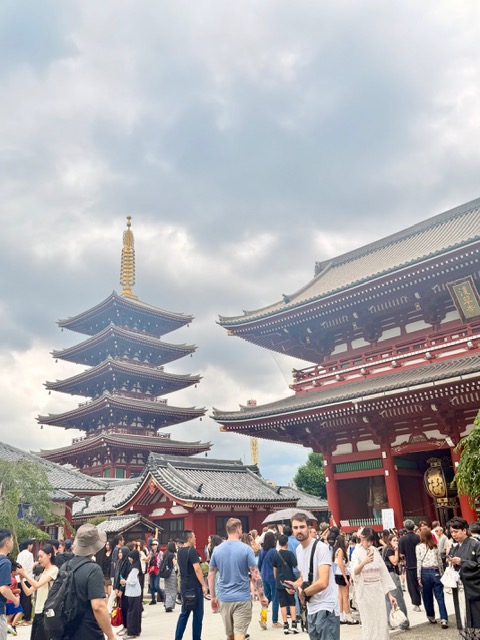
Your visit begins at the impressive Kaminarimon (Thunder Gate), instantly recognisable by its enormous red lantern. From here, stroll along Nakamise Shopping Street, where you’ll find dozens of traditional stalls selling Japanese snacks, souvenirs, handcrafted gifts, and local sweets.
At the end of the shopping street, you’ll reach the temple itself, where visitors can admire the beautiful architecture, burn incense for good fortune, and take part in traditional customs such as drawing an omikuji (fortune slip). The vibrant atmosphere, especially during festivals and special events, makes Senso-ji one of Tokyo’s most memorable attractions.
We recommend arriving early in the morning to enjoy the temple before the crowds arrive. Visiting around sunrise not only provides a more peaceful experience but also offers fantastic opportunities for photography.
If you have extra time, explore the surrounding streets of Asakusa, where you’ll find traditional cafés, local restaurants, and shops selling handcrafted goods. It’s one of the best places in Tokyo to experience the city’s historic charm while still being close to modern attractions.
Take in the Views from Tokyo Skytree
Standing at 634 metres (2,080 feet), Tokyo Skytree is the tallest structure in Japan and one of the city’s most recognisable landmarks. A visit to its observation decks offers breathtaking panoramic views across Tokyo, making it one of the best things to do for first-time visitors.
The tower has two observation decks: the Tembo Deck at 350 metres and the higher Tembo Galleria at 450 metres. On a clear day, you can see famous landmarks such as Tokyo Tower, the Imperial Palace, Tokyo Bay, and even Mount Fuji on the horizon.
For the best visibility, visit early in the morning or just before sunset. Watching the city transition from daylight to a sea of sparkling lights is an unforgettable experience and one of the best photo opportunities in Tokyo.
At the base of the tower is Tokyo Solamachi, a large shopping and entertainment complex with more than 300 shops, restaurants, cafés, and souvenir stores. You’ll also find attractions such as the Sumida Aquarium and a planetarium, making it easy to spend several hours in the area.
Located close to the historic district of Asakusa, Tokyo Skytree pairs perfectly with a visit to Senso-ji Temple. Combining these two attractions in one day lets you experience both traditional and modern Tokyo while enjoying some of the city’s most spectacular views.
Experience Shibuya Crossing
One of Tokyo’s most iconic landmarks, Shibuya Crossing is often described as the busiest pedestrian crossing in the world. Every time the traffic lights change, hundreds—and sometimes thousands—of people cross from every direction, creating one of the city’s most recognisable sights.
Standing in the middle of the crossing as the crowds move around you is a must-do Tokyo experience. Surrounding the intersection are giant digital billboards, neon lights, department stores, restaurants, and entertainment venues that perfectly capture the energy of modern Tokyo.
For one of the best views, head to an observation deck or one of the cafés overlooking the crossing. Watching the organised chaos from above is just as impressive as walking across it yourself, especially after dark when the surrounding lights bring the area to life.
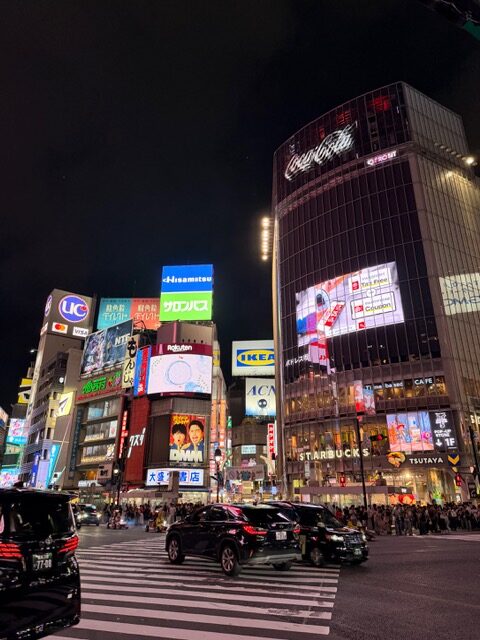
While you’re in Shibuya, take time to visit the famous Hachikō Statue, a popular meeting point dedicated to Japan’s loyal Akita dog. You can also explore Shibuya Center-Gai, browse the shops at Shibuya Scramble Square, or enjoy the area’s countless restaurants, cafés, and bars.
Whether you visit during the day or at night, Shibuya Crossing is one of the best things to do in Tokyo and offers an unforgettable glimpse into the city’s fast-paced atmosphere.
Visit the Imperial Palace and East Gardens
Located in the heart of Tokyo, the Imperial Palace is the official residence of Japan’s Emperor and one of the city’s most important historic landmarks. While the inner palace grounds are generally closed to the public, visitors can explore the beautiful East Gardens, which are free to enter and offer a peaceful escape from the surrounding skyscrapers.
The East Gardens occupy the former site of Edo Castle, once home to the Tokugawa shoguns. As you wander through the grounds, you’ll discover impressive stone walls, ancient gates, manicured lawns, seasonal flower displays, and the foundations of the castle’s former keep. Informational signs throughout the gardens provide fascinating insights into Tokyo’s history.
One of the highlights is climbing to the top of the old castle foundation, where you’ll be rewarded with views across the gardens and surrounding city. The mix of historic ruins and modern skyscrapers perfectly captures Tokyo’s unique blend of old and new.
The gardens are especially beautiful during spring, when cherry blossoms bloom, and in autumn, when the trees turn vibrant shades of red, orange, and yellow. Visiting in the morning is recommended for cooler temperatures, quieter pathways, and excellent photo opportunities.
The Imperial Palace is within walking distance of Tokyo Station, making it easy to combine your visit with nearby attractions, shopping, or a meal in the Marunouchi district. Whether you’re interested in Japanese history, architecture, or simply looking for a relaxing green space, the Imperial Palace and East Gardens are well worth adding to your Tokyo itinerary.
Explore Meiji Jingu Shrine
Nestled within a peaceful forest in the heart of the city, Meiji Jingu Shrine offers a welcome escape from Tokyo’s busy streets. Dedicated to Emperor Meiji and Empress Shoken, this Shinto shrine is one of Japan’s most important spiritual sites and a must-visit for anyone interested in the country’s history and culture.
The walk to the shrine is part of the experience. Wide gravel paths wind through a lush forest of more than 100,000 trees, creating a calm atmosphere that feels worlds away from the nearby districts of Shibuya and Harajuku.
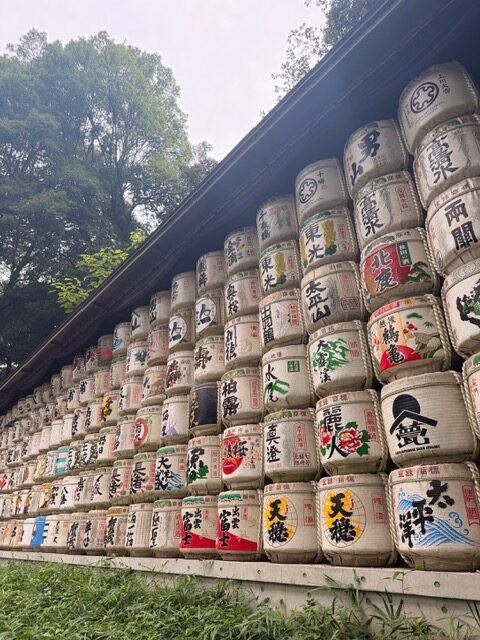
One of the first things you’ll notice is the impressive collection of traditional sake barrels (kazaridaru) displayed near the entrance. These colourful barrels have been donated by breweries from across Japan as offerings to the shrine and have become one of Meiji Jingu’s most photographed features. Nearby, you’ll also find decorative wine barrels gifted from Burgundy in France, symbolising the international outlook of Emperor Meiji.
As you continue through the grounds, you’ll pass towering wooden torii gates before reaching the main shrine, where visitors can observe traditional Shinto rituals, write wishes on wooden ema plaques, or simply enjoy the tranquil surroundings.
After your visit, take a stroll through the nearby Yoyogi Park or head into Harajuku to explore Takeshita Street’s colourful shops, cafés, and street food. Combining these attractions makes for one of the best days out in Tokyo, offering a perfect mix of culture, nature, and modern city life.
Visit teamLab Planets
For one of the most unique experiences in Tokyo, visit teamLab Planets, an immersive digital art museum where light, sound, and interactive installations combine to create unforgettable sensory experiences. Unlike a traditional museum, many of the exhibits encourage you to walk through water, interact with moving projections, and become part of the artwork itself.
The museum features a series of ever-changing rooms filled with colourful lights, mirrored spaces, floating flowers, and digital displays that respond to your movement. Every exhibit offers fantastic photo opportunities, making teamLab Planets one of the most Instagrammable attractions in Tokyo.
As you’ll be walking barefoot through parts of the exhibition, lockers are provided to store your shoes and belongings before entering. Allow around 2–3 hours to fully experience the installations without rushing.
Due to its popularity, it’s highly recommended to book your tickets online in advance, especially during weekends, public holidays, and the cherry blossom season. Visiting early in the morning or later in the evening can also help you avoid the busiest crowds.
Located in the Toyosu area, teamLab Planets can easily be combined with a visit to Toyosu Market, where you can enjoy some of Tokyo’s freshest sushi, or explore the nearby waterfront. Whether you’re travelling as a couple, with friends, or as a family, teamLab Planets offers one of the most memorable and visually stunning experiences in Tokyo.
Wander Through Shinjuku
Shinjuku is one of Tokyo’s most exciting districts, offering a mix of towering skyscrapers, peaceful parks, bustling shopping streets, and some of the city’s best nightlife. Whether you’re visiting during the day or after dark, there’s always something to see and do.
Start by exploring the area around Shinjuku Station, the world’s busiest railway station, before wandering through the surrounding streets filled with department stores, electronics shops, restaurants, and cafés. For panoramic views of the city, head to the Tokyo Metropolitan Government Building, where the free observation decks offer spectacular views across Tokyo and, on clear days, even as far as Mount Fuji.
If you’re looking for a break from the city’s fast pace, spend some time in Shinjuku Gyoen National Garden. This beautifully landscaped park features Japanese, English, and French-style gardens, making it one of the best places in Tokyo to relax, particularly during the cherry blossom and autumn foliage seasons.
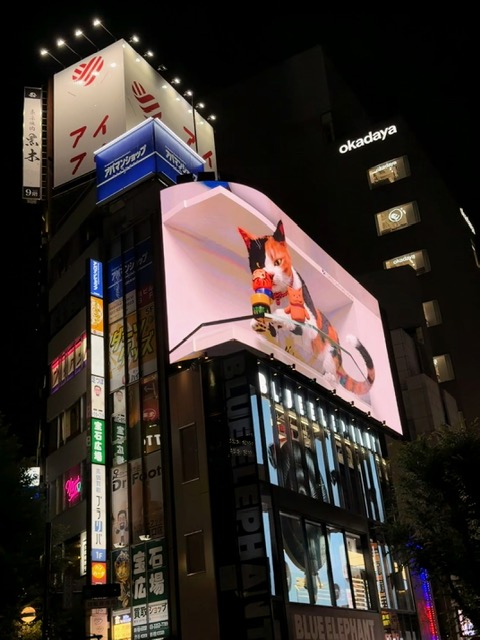
As evening falls, Shinjuku transforms into one of Tokyo’s top nightlife destinations. Explore the narrow lantern-lit alleyways of Omoide Yokocho, known for its cosy yakitori restaurants and traditional izakayas, or wander through the vibrant streets of Kabukichō, Tokyo’s famous entertainment district, where neon signs, arcades, bars, and late-night eateries create an unforgettable atmosphere.
Whether you’re shopping, dining, enjoying the skyline, or simply soaking up the energy of the streets, Shinjuku is an essential stop on any Tokyo itinerary and perfectly showcases the city’s modern side.
What to Eat in Tokyo
Tokyo is one of the world’s greatest food cities, offering everything from Michelin-starred restaurants to affordable street food and convenience store snacks. Whether you’re dining at a traditional izakaya, exploring a bustling market, or grabbing a quick bite from a local ramen shop, there’s no shortage of incredible dishes to try.
Sushi
As Japan’s capital, Tokyo is one of the best places to enjoy fresh sushi. Visit Toyosu Market or the nearby restaurants for high-quality seafood, or try one of the city’s many conveyor-belt sushi restaurants for a delicious meal that won’t break the budget.
Ramen
A steaming bowl of ramen is a must when visiting Tokyo. From rich tonkotsu broth to lighter shoyu and miso varieties, every neighbourhood has its own popular ramen shops. Be prepared to queue at the most famous restaurants—it’s often a sign you’re in for an exceptional meal.
Tempura
Crispy, lightly battered seafood and vegetables are another Tokyo favourite. Many specialist restaurants prepare tempura right in front of you, creating a simple yet delicious dining experience.
Yakitori
Yakitori consists of skewered chicken grilled over charcoal and seasoned with salt or a savoury tare sauce. It’s a popular dish served in izakayas and small alleyway restaurants, particularly in areas such as Omoide Yokocho in Shinjuku.
Wagyu Beef
If you’re looking to treat yourself, don’t miss the opportunity to try authentic Japanese wagyu beef. Known for its exceptional marbling and melt-in-your-mouth texture, it’s one of Japan’s most famous culinary experiences.
Monjayaki
A Tokyo speciality, monjayaki is a savoury pan-fried batter mixed with ingredients such as seafood, meat, vegetables, and cheese. Similar to Osaka’s okonomiyaki but with a softer texture, it’s especially popular in the Tsukishima district, where many restaurants let you cook it yourself at the table.
Convenience Store Food
Don’t overlook Japan’s convenience stores. Chains like 7-Eleven, FamilyMart, and Lawson sell surprisingly high-quality meals, including onigiri, sandwiches, fried chicken, bento boxes, desserts, and drinks. They’re perfect for budget travellers or anyone needing a quick meal between sightseeing.
No matter your budget, eating is one of the highlights of visiting Tokyo. From traditional Japanese dishes to modern cafés and late-night street food, the city’s incredible food scene is guaranteed to be one of the most memorable parts of your trip.
I have a nut allergy and found Tokyo very easy to get by in with the help of google translate.
Money-Saving Tips for Tokyo
Tokyo has a reputation for being expensive, but it’s surprisingly easy to explore the city on a budget. With a little planning, you can enjoy many of its top attractions, delicious food, and efficient transport without overspending.
- Use an IC card. A rechargeable Suica or PASMO card makes travelling on trains and buses quick and convenient, helping you avoid the hassle of buying individual tickets.
- Stay in budget-friendly neighbourhoods. Areas such as Ueno, Asakusa, and Ikebukuro often offer more affordable hotels and hostels while still providing excellent transport links.
- Take advantage of free attractions. Many of Tokyo’s best sights are completely free, including Meiji Jingu Shrine, the Imperial Palace East Gardens, Senso-ji Temple, Shibuya Crossing, and parks like Yoyogi Park and Ueno Park.
- Eat where the locals eat. Small ramen shops, curry restaurants, conveyor-belt sushi, and neighbourhood izakayas often serve delicious meals at reasonable prices. Convenience stores are also a great option for affordable breakfasts, lunches, and snacks.
- Visit free observation decks. Instead of paying for a skyline view, head to the Tokyo Metropolitan Government Building, where you can enjoy panoramic views of the city free of charge.
- Book accommodation early. Hotel prices increase significantly during cherry blossom season, autumn, and major holidays. Booking several months in advance can help you secure the best rates.
- Walk between nearby attractions. Many popular areas, including Asakusa, Ueno, Harajuku, and Shibuya, are best explored on foot. Walking not only saves money but also helps you discover hidden cafés, temples, and local shops.
- Travel during the shoulder season. Visiting in late autumn or winter (outside the New Year holiday period) often means lower flight and hotel prices, fewer crowds, and a more relaxed sightseeing experience.
With its excellent public transport, countless free attractions, and wide range of affordable dining options, Tokyo can be much more budget-friendly than many travellers expect. A little planning goes a long way towards making the most of your trip without stretching your budget.
Essential Travel Tips for Tokyo
Before visiting Tokyo, keep these practical travel tips in mind to make your trip smoother and more enjoyable.
- Carry cash as well as a bank card. While card payments are widely accepted, some smaller restaurants, temples, markets, and local shops still prefer cash.
- Get a Suica or PASMO card. These rechargeable IC cards make travelling on trains, subways, and buses quick and easy. They can also be used in many convenience stores, vending machines, and restaurants.
- Download Google Maps before you arrive. It’s the easiest way to navigate Tokyo’s extensive public transport network, with real-time train information, platform numbers, and walking directions.
- Be respectful of local customs. Queue patiently, speak quietly on public transport, dispose of rubbish responsibly, and remove your shoes when required in temples, traditional accommodation, and some restaurants.
- Carry a reusable water bottle. Tokyo has plenty of vending machines where you can buy affordable drinks, and many public facilities now have water refill stations.
- Plan popular attractions in advance. Book tickets early for experiences such as teamLab Planets and Tokyo Skytree, especially during weekends and peak travel seasons.
- Start sightseeing early. Visiting major attractions in the morning helps you avoid the largest crowds and is often the best time for photography.
- Pack comfortable walking shoes. Even when using public transport, you’ll likely walk several kilometres each day while exploring Tokyo’s neighbourhoods and train stations.
- Stay connected. Consider renting a pocket Wi-Fi device or purchasing an eSIM to access maps, translation apps, and travel information throughout your trip.
- Learn a few basic Japanese phrases. While English is spoken in many tourist areas, simple phrases such as arigatou gozaimasu (thank you) and sumimasen (excuse me/sorry) are appreciated by locals.
With a little preparation, getting around Tokyo is straightforward. The city’s excellent transport system, high level of safety, and friendly atmosphere make it one of the easiest major cities in the world to explore, even for first-time visitors.
Frequently Asked Questions About Tokyo
Is Tokyo worth visiting?
Absolutely. Tokyo is one of the world’s most exciting travel destinations, offering a unique mix of ancient temples, futuristic technology, world-class food, vibrant shopping districts, and beautiful parks. Whether you’re interested in history, culture, nightlife, or anime, there’s something for every traveller.
How many days do you need in Tokyo?
For first-time visitors, 4–5 days is ideal. This gives you enough time to explore the city’s top attractions, experience different neighbourhoods, enjoy Tokyo’s incredible food scene, and even take a day trip if your schedule allows.
What is the best time to visit Tokyo?
The best times to visit Tokyo are March to May for cherry blossom season and September to November for pleasant temperatures and colourful autumn foliage. These seasons offer ideal weather for sightseeing, although they are also the busiest times of year.
Is Tokyo expensive?
Tokyo can be as affordable or as luxurious as you choose. While high-end hotels and fine dining can be expensive, there are also plenty of budget-friendly accommodation options, inexpensive restaurants, free attractions, and excellent public transport, making it possible to visit Tokyo without spending a fortune.
Is Tokyo safe for tourists?
Yes. Tokyo is widely considered one of the safest major cities in the world. Violent crime is rare, public transport is reliable, and it’s generally safe to walk around, even after dark. As with any destination, it’s still sensible to keep an eye on your belongings in busy tourist areas.
Do I need cash in Tokyo?
Although credit and debit cards are accepted in many places, it’s still a good idea to carry some cash. Smaller restaurants, local shops, markets, and some temples may only accept cash payments.
Can you speak English in Tokyo?
English is spoken in many hotels, major attractions, and larger restaurants, and most train stations have English signage. However, learning a few basic Japanese phrases or using a translation app can make your trip even smoother and is appreciated by locals.
What is Tokyo famous for?
Tokyo is famous for landmarks such as Senso-ji Temple, Shibuya Crossing, Tokyo Skytree, Meiji Jingu Shrine, and the Imperial Palace. The city is also renowned for its exceptional food, cutting-edge technology, anime and gaming culture, shopping districts, and efficient public transport.

2 Comments