
Top Things to Do in Seoul: A Complete Guide for 2026
Seoul is a city where centuries-old palaces stand alongside futuristic skyscrapers, bustling street markets, and world-famous K-pop culture. As the dynamic capital of South Korea, Seoul offers an exciting mix of history, food, shopping, nightlife, and cultural experiences that appeal to every type of traveler.
Whether you’re visiting for a weekend getaway or planning a longer adventure, you’ll find countless attractions to fill your itinerary. From exploring the grand halls of Gyeongbokgung Palace and wandering through traditional hanok villages to discovering trendy neighborhoods like Hongdae and enjoying panoramic views from N Seoul Tower, Seoul effortlessly blends old and new.
This complete guide covers the top things to do in Seoul in 2026, including must-see landmarks, hidden gems, local food experiences, shopping districts, and unique cultural activities. Whether you’re a first-time visitor or returning to explore more of the city, these unforgettable experiences will help you make the most of your trip to Seoul.
Explore Seoul’s Historic Palaces
Gyeongbokgung Palace
Visiting information: Located at 161 Sajik-ro, Jongno-gu, Seoul, the palace is easily accessible via Gyeongbokgung Station (Subway Line 3, Exit 5). It opens 9 a.m.–6 p.m. (Mar–Oct) and 9 a.m.–5 p.m. (Nov–Feb). Admission costs 3,000 KRW for adults, and guided tours in multiple languages are offered free of charge.
Explore Seoul’s most famous royal palace. This is arguably the most grand of the palaces in Seoul and is a must visit. The palace’s most famous attraction is the ceremonial Changing of the Royal Guard, a colorful reenactment that takes place at the main entrance and provides excellent photo opportunities. Visitors can also explore the stunning Geunjeongjeon Throne Hall, admire the picturesque Gyeonghoeru Pavilion reflected in a serene pond, and visit the nearby National Palace Museum of Korea and National Folk Museum of Korea.
Key Information: Do not make the same mistake we did, Gyeongbokgung Palace is closed every Tuesday so be sure the factor this into your plans.
Changdeokgung Palace
Visitor Information – Location: Jongno District, central Seoul. Nearest Subway Station: Anguk Station (Seoul Subway Line 3), Exit 3. Typical adult admission is around ₩3,000 for the palace grounds. The Secret Garden (Huwon) requires a separate ticket and is usually around ₩5,000 for adults.
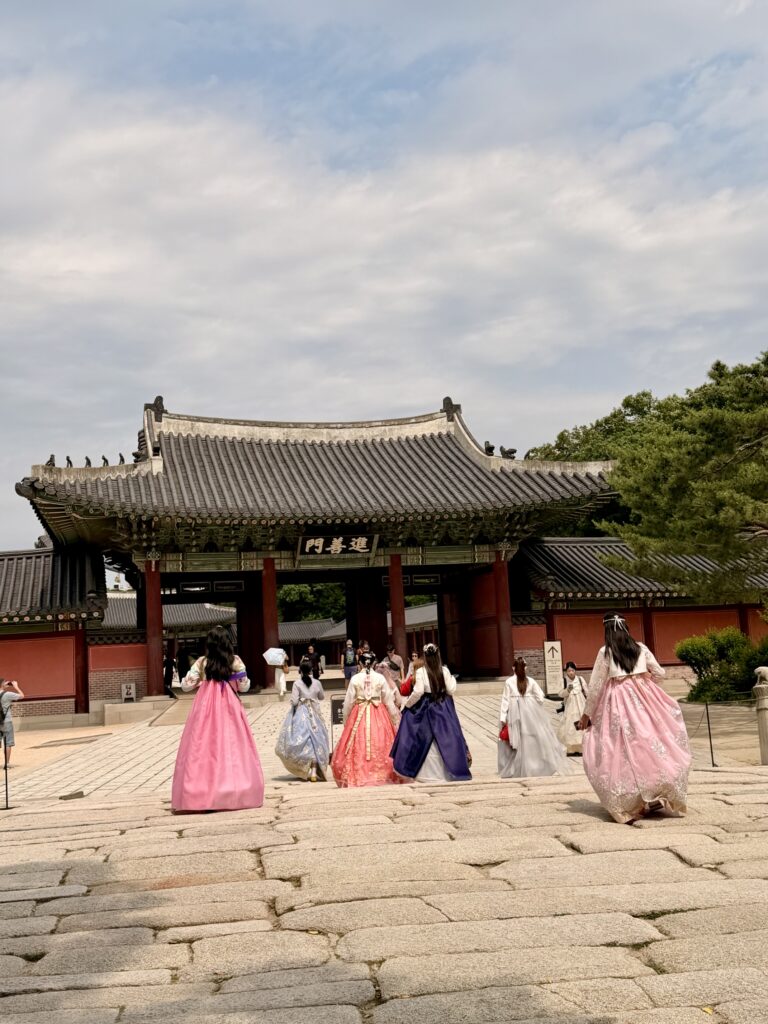
A UNESCO World Heritage Site and one of Seoul’s most beautiful historic landmarks, Changdeokgung Palace is renowned for its harmonious integration with the surrounding natural landscape. Built in 1405 during the Joseon Dynasty, the palace served as a primary royal residence for many Korean kings and is considered the best-preserved of Seoul’s five grand palaces.
Deoksugung Palace
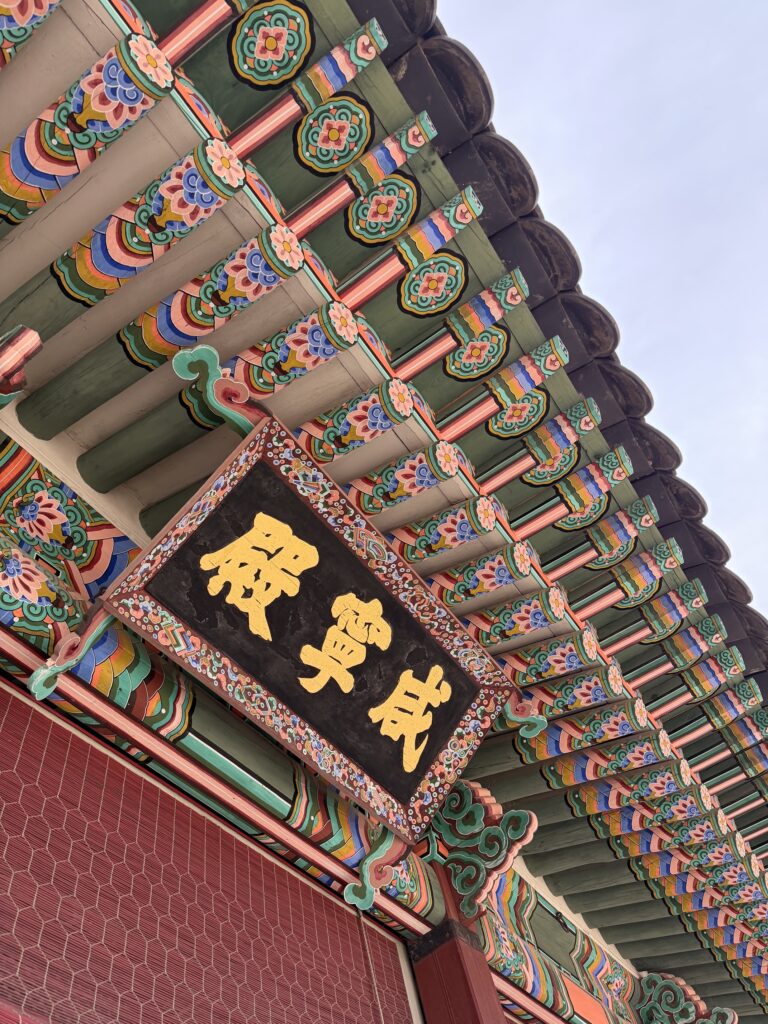
Visitor Information – 99 Sejong-daero, Jung-gu, Seoul. Hours: 09:00–21:00; closed Monday. Admission: ₩1,000 for adults; free on Culture Day (last Wednesday each month)
Deoksugung Palace is the smallest of the three palaces however was also the quietist when we visited meaning it offered a much more peaceful environment.
Explore the palace buildings and wander the gardens while enjoying a break from the busy Seoul streets.
Wander Through Traditional Korean Villages
Bukchon Hanok Village
Bukchon Hanok Village is a preserved traditional Korean neighborhood located between Gyeongbokgung Palace and Changdeokgung Palace in central Seoul. Known for its hundreds of restored hanok (traditional wooden houses), it offers visitors a glimpse into Joseon-era urban life within a modern city setting. The area is both a residential community and a cultural heritage site.
Namsangol Hanok Village
Namsangol Hanok Village is a traditional cultural site in central Seoul, South Korea, that preserves and showcases the architectural and social heritage of the Joseon dynasty. Nestled at the foot of Namsan Mountain, it serves as both an open-air museum and community space highlighting Seoul’s premodern lifestyle.
Enjoy the Best Views in Seoul
N Seoul Tower
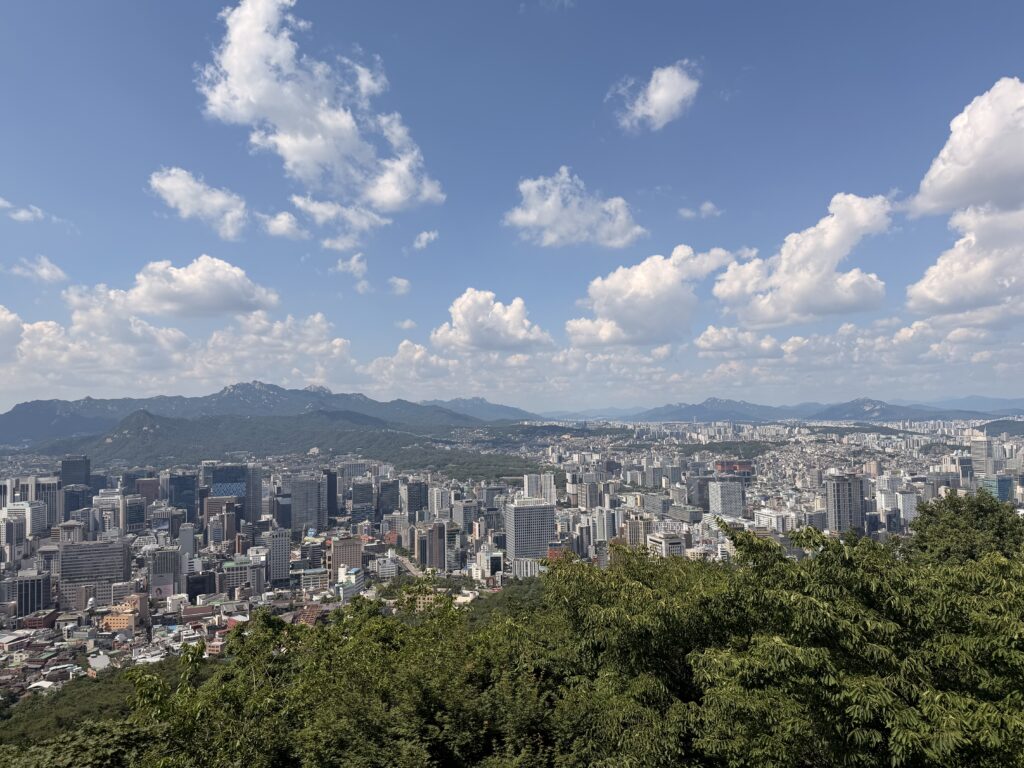
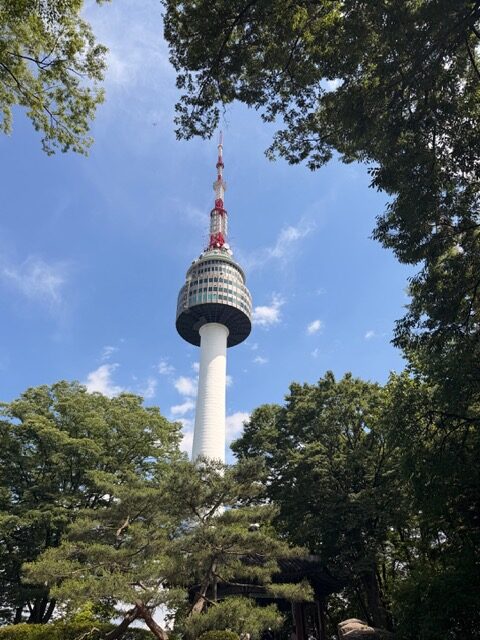
N Seoul Tower—also known as Namsan Tower or Seoul Tower—is a communications and observation tower atop Namsan Mountain in central Seoul, South Korea. Rising 236 meters above the ground, it serves as both a broadcasting hub and one of the country’s most visited cultural landmarks, attracting millions each year for its panoramic city views and romantic ambiance.
Enjoy the views from the cable cart on your way to the top or climb the stairs if you are looking for more of a hike. Either way you will not be disappointed at the top.
Lotte World Tower
Lotte World Tower is a 123-story supertall skyscraper in the Songpa District of Seoul, South Korea. Completed in 2017, it stands 555 m (1,823 ft) high, making it the tallest building in South Korea and one of the tallest globally. The tower combines offices, residences, a luxury hotel, retail, and the record-setting Seoul Sky observation deck.
Experience Seoul’s Famous Markets
Gwangjang Market
Gwangjang Market is a historic traditional market in Jongno-gu, Seoul, South Korea, founded in 1905 as the nation’s first permanent marketplace. It remains one of Seoul’s busiest and most authentic cultural landmarks, celebrated for its vibrant street food alleys, textile shops, and lively atmosphere that captures everyday Korean life. This market most recently gained international fame after being the focus of Netflix show Street Food: Asia.
Namdaemun Market
Namdaemun Market is South Korea’s oldest and largest traditional marketplace, located in central Seoul near the historic Sungnyemun Gate (Great South Gate). Established in the early 1400s during the Joseon Dynasty, it remains a vibrant commercial hub where thousands of vendors sell everything from clothing to street food. The market exemplifies Seoul’s blend of heritage and everyday urban life.
Myeongdong
As well as the famous Myeongdong shopping street, the vibrant area also transforms into a bustling night market where you can try all of Korea’s many local cuisines.
Try Authentic Korean Food in Seoul
Must Try Korean BBQ
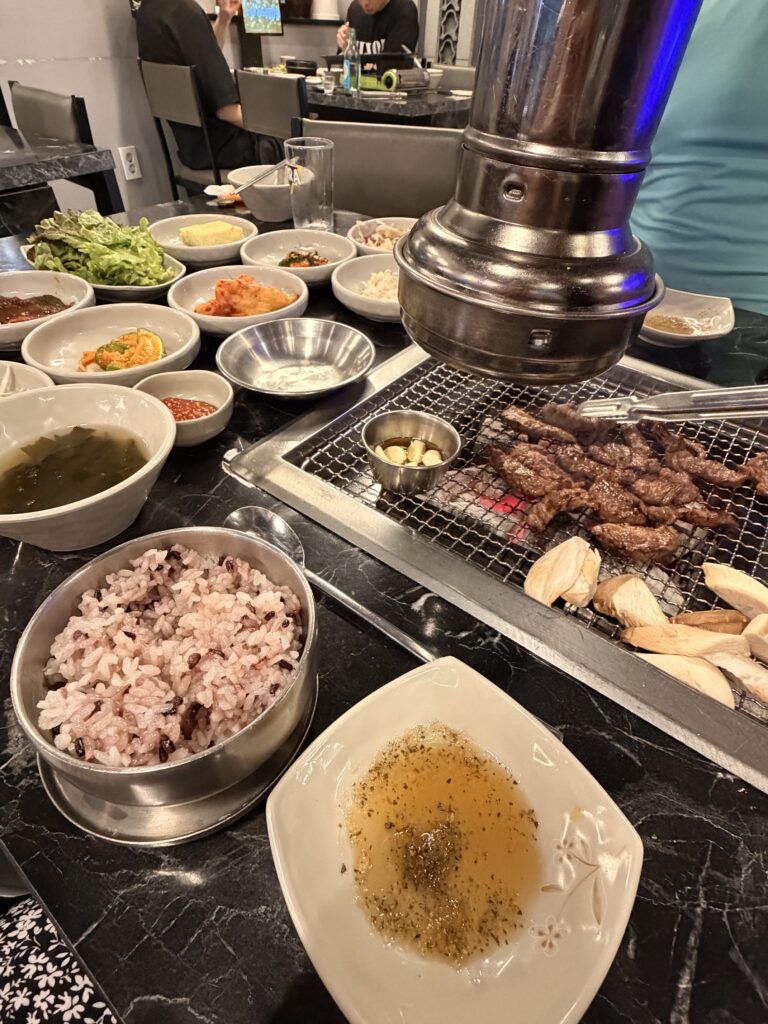
No trip to Korea is complete without an authentic Korean BBQ experience. Unlike a typical restaurant meal, Korean BBQ is an interactive dining experience where guests grill premium cuts of meat directly at their table while enjoying a variety of side dishes known as banchan. From sizzling pork belly and marinated beef to fresh vegetables and dipping sauces, it’s a must-try part of Korean culture.
Seoul is home to countless Korean BBQ restaurants, ranging from traditional local eateries to upscale dining venues specializing in premium Korean beef. Popular neighborhoods such as Myeongdong, Hongdae, and Gangnam are packed with excellent BBQ options for every budget.
Must-Try Traditional Korean Dishes
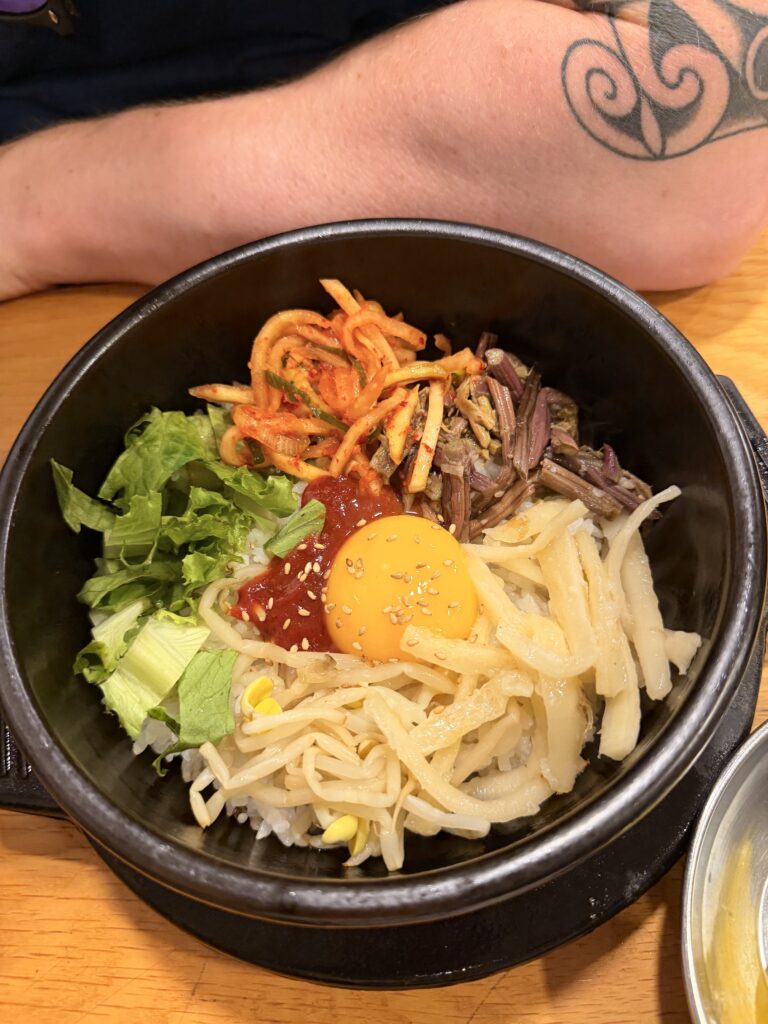
Bibimbap
A colorful rice dish topped with vegetables, meat, egg, and spicy gochujang sauce. Bibimbap is one of Korea’s most iconic meals and is loved for its balance of flavors and textures.
Kimchi
Korea’s famous fermented vegetable dish, typically made with napa cabbage and chili peppers. Kimchi is served with almost every meal and is considered a staple of Korean cuisine.
Bulgogi
Thinly sliced beef marinated in a sweet and savory sauce before being grilled or stir-fried. Bulgogi is a favorite among both locals and visitors.
Best Day Trips from Seoul
Suwan
Located just south of Seoul, Suwon is one of the easiest and most rewarding day trips from the capital. Known for its rich history, impressive fortress walls, and vibrant local culture, Suwon offers a different side of South Korea that contrasts beautifully with Seoul’s fast-paced urban atmosphere.
Suwon is incredibly convenient to visit, with frequent subway and train connections from Seoul. Depending on your departure point, the journey typically takes around 30–60 minutes, making it perfect for travelers who want to explore beyond the capital without spending hours in transit.
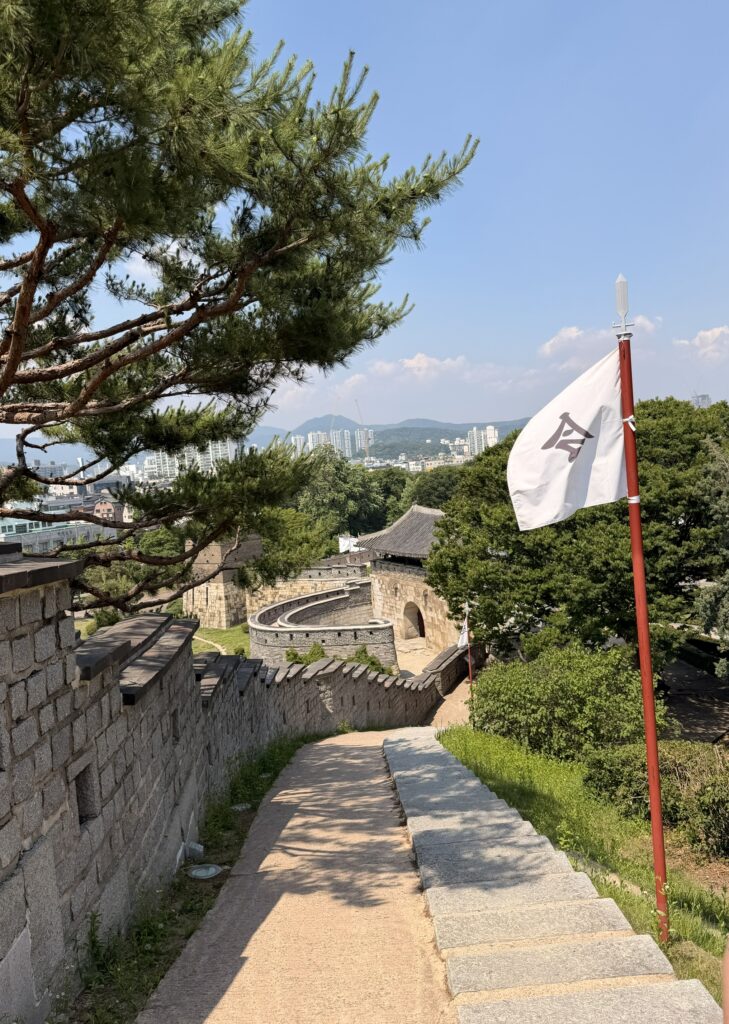
The city’s biggest attraction is Hwaseong Fortress, a UNESCO World Heritage Site built in the late 18th century. Stretching nearly 6 kilometers around the city center, the fortress features impressive gates, watchtowers, pavilions, and walking paths with panoramic views of Suwon. It’s one of the best-preserved fortifications in Korea and a must-see for history lovers.
DMZ
The DMZ offers a perspective on Korean history that cannot be experienced anywhere else. Beyond the political significance, the visit provides a deeper understanding of the Korean Peninsula’s past, present, and future. For travelers seeking a meaningful cultural and historical experience beyond Seoul’s palaces and shopping districts, a DMZ tour is an unforgettable addition to any South Korea itinerary.