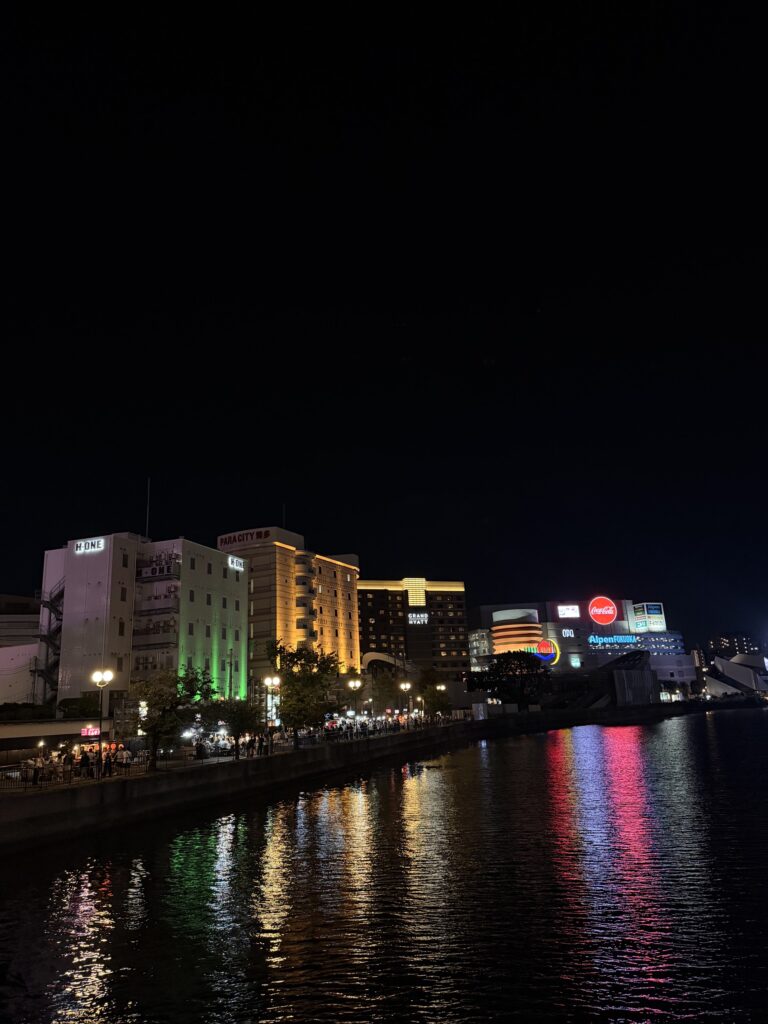
Fukuoka, Japan: The Ultimate Guide to Japan’s Underrated City
Fukuoka was probably our most unexpected gem of Japan. We first came across the city while reading the Lonely Planet Japan guidebook at the airport on our way to Japan. Having never really heard much about Fukuoka before, we were intrigued by what we read and decided to add it to our itinerary. We are so glad we did, as Fukuoka quickly became one of our favourite destinations in Japan. A true hidden gem that we think deserves far more attention.
Our only regret is not allowing ourselves more time here. We only had a short time to explore Fukuoka, but it quickly became clear that there was so much more to see, do and experience. If we were to visit again, we would definitely dedicate more time to exploring the city and its surrounding areas.
Where Is Fukuoka and Why Should You Visit?
Fukuoka is located on the northern shore of Japan’s Kyushu Island, making it one of the main gateways to the region. As one of Japan’s largest cities, Fukuoka offers the perfect combination of modern city life, traditional culture, incredible food and easy access to nature.
What makes Fukuoka so special is that it feels much more relaxed and manageable than some of Japan’s larger cities, such as Tokyo or Osaka. You can spend the morning exploring temples and shrines, enjoy some of Japan’s best ramen for lunch, and finish the day wandering through lively food stalls or relaxing in one of the city’s beautiful parks.
For us, Fukuoka was one of the most unexpected highlights of our Japan trip. We only discovered the city while reading through our Lonely Planet Japan guidebook at the airport before our trip, and we are so glad we decided to include it in our itinerary. Our only regret is that we did not allow ourselves more time to explore everything Fukuoka and the surrounding area have to offer.
Best Things to Do in Fukuoka
Fukuoka is a city that offers the perfect mix of history, culture, food and modern attractions, making it an incredibly enjoyable destination to explore. One of the things we loved most about Fukuoka was how easy it was to experience a variety of attractions within a relatively small area.
Whether you want to explore ancient temples and shrines, enjoy delicious local food, relax in beautiful parks or take in panoramic city views, there are plenty of things to do in Fukuoka. Below are some of the best attractions and experiences to add to your Fukuoka itinerary.
Explore the Vibrant Streets of Hakata
One of our favourite things to do in Fukuoka was simply wandering through the vibrant streets of Hakata. As one of the city’s main districts, Hakata offers a fascinating mix of modern city life, traditional culture and some of the best food in Fukuoka.
Take some time to wander through the lively streets, explore the local shops and discover the many restaurants, cafés and food stalls dotted throughout the area. Hakata is also home to several important temples and shrines, making it easy to combine sightseeing with experiencing the city’s modern atmosphere.
We loved that Hakata felt lively without being quite as overwhelming as some of Japan’s larger cities. It was the perfect place to simply wander, soak up the atmosphere and discover something new around every corner.
Visit the Beautiful Kushida Shrine
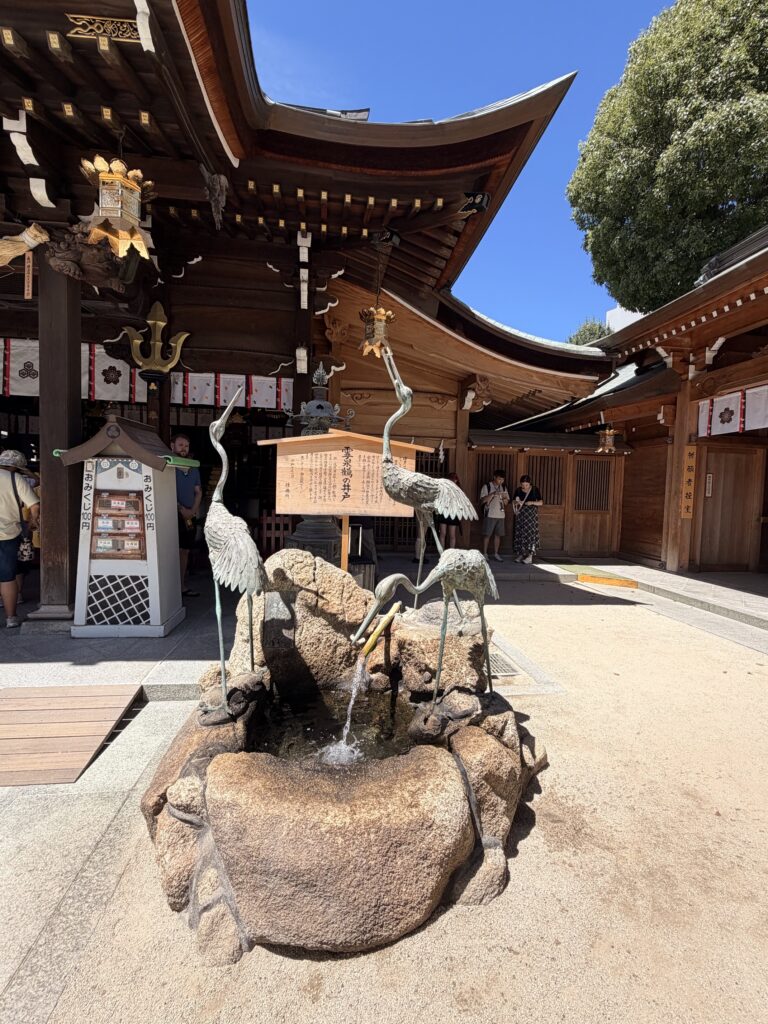
One of the best places to visit in Fukuoka is the beautiful Kushida Shrine, located in the heart of Hakata. Dating back to 757, this is one of the city’s most important and historic Shinto shrines and is closely connected to the famous Hakata Gion Yamakasa festival.
As you enter the shrine grounds, you are greeted by a striking traditional gate and a peaceful atmosphere that feels worlds away from the busy streets surrounding it. Take some time to admire the intricate details of the shrine, explore the grounds and appreciate the blend of history and culture.
Kushida Shrine is also conveniently located close to many of Hakata’s other attractions, making it an easy addition to any Fukuoka itinerary. We loved visiting this beautiful shrine while exploring the streets of Hakata and think it is a must-visit for anyone interested in experiencing Fukuoka’s rich history and traditional culture. The shrine had such an authentic feel to it compared to others in Kyoto and Tokyo.
Wander Through Fukuoka’s Traditional Temples
Fukuoka is home to a wonderful collection of beautiful temples, making exploring the city’s traditional side one of the best things to do during your visit. While wandering through Fukuoka, you will come across peaceful temples hidden among the busy city streets, offering a glimpse into the city’s rich history and culture.
Some of the most impressive temples to visit include Tochoji Temple, home to the enormous wooden Buddha statue, and Shofukuji Temple, which is considered Japan’s first Zen temple. Each temple offers something unique, from beautiful architecture and peaceful gardens to fascinating historical significance.
We loved how easy it was to combine exploring Fukuoka’s temples with wandering through the surrounding neighbourhoods. It was a great way to escape the busy city streets for a little while and experience a quieter, more traditional side of Fukuoka.
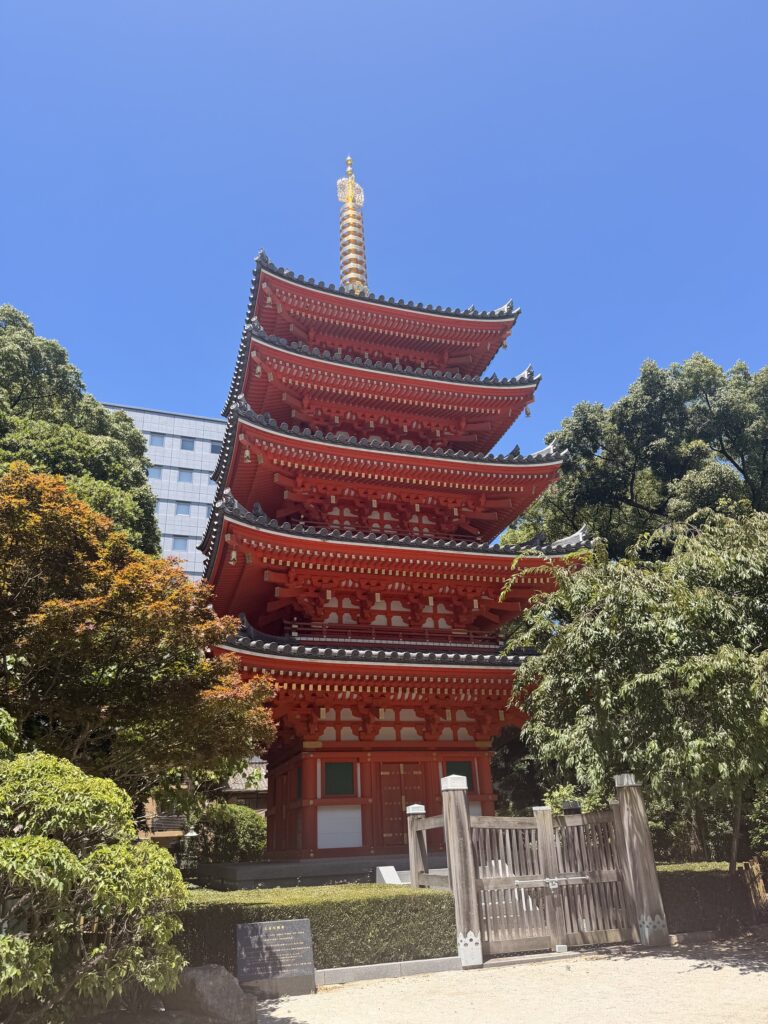
For us, seeing the enormous wooden Buddha at Tochoji Temple was an absolute must. The sheer size of the statue makes it an impressive sight, and it was one of the highlights of our visit to Fukuoka.
The temple also offers a unique experience beneath the Buddha statue: a walk through a completely pitch-black passageway. As you make your way through the darkness, you are encouraged to rely entirely on your other senses, making it a surprisingly memorable experience. We had never experienced anything quite like it before, and it was definitely one of the more unusual things we did in Fukuoka.
Shop Till You Drop at Canal City Hakata
If you love shopping, one place you definitely cannot miss in Fukuoka is Canal City Hakata. This huge shopping and entertainment complex is home to a wide variety of shops, restaurants, cafés and entertainment options, making it easy to spend several hours exploring.
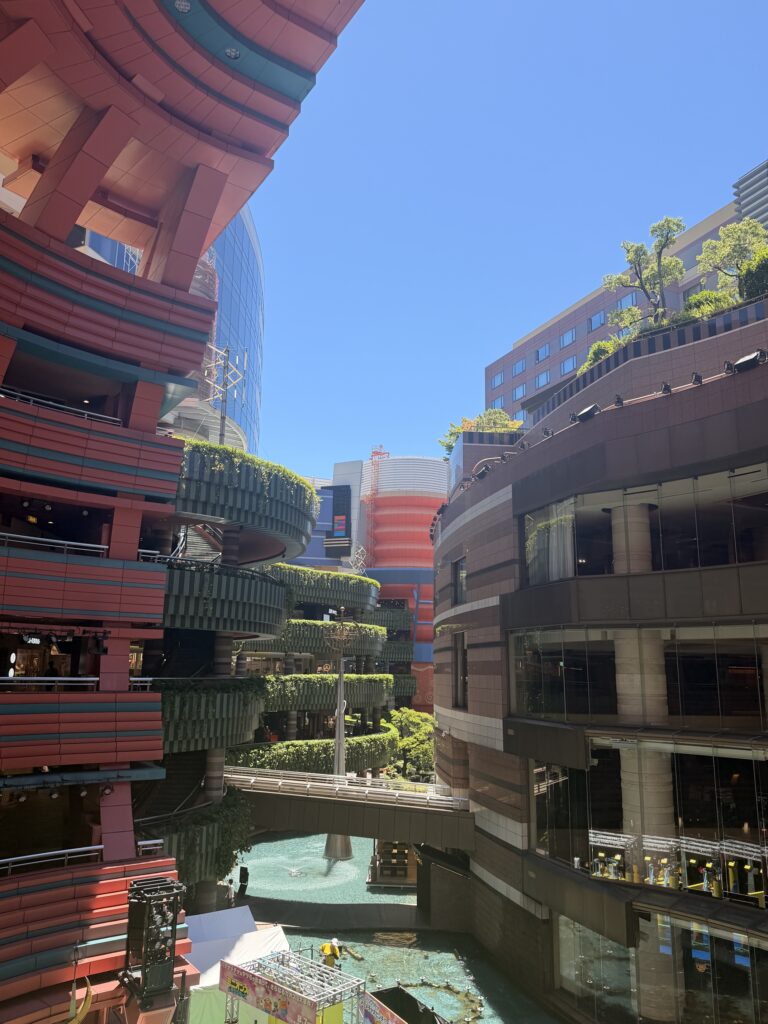
One of the highlights for us was watching the impressive water displays in the central canal area. The fountains put on regular shows throughout the day, creating a fun and unexpected spectacle in the middle of the shopping centre.
Whether you are looking to shop, grab something to eat or simply enjoy the atmosphere, Canal City Hakata is a great place to visit while exploring Fukuoka.
What to Eat in Fukuoka
Fukuoka is widely considered one of Japan’s best food destinations, and trying the local cuisine is an essential part of any visit. From steaming bowls of Hakata ramen to lively yatai food stalls, Fukuoka offers an incredible food scene with plenty of delicious dishes to discover.
The city is particularly famous for its rich food culture, with many local specialities originating in Fukuoka and the wider Kyushu region. Whether you are looking for a quick and affordable meal or want to spend an evening exploring the city’s restaurants and food stalls, there is something to suit every taste.
During our visit, one of the things we loved most was how easy it was to find delicious food wherever we went. From casual street food to traditional Japanese dishes, Fukuoka quickly became one of our favourite destinations in Japan for food.
Explore Fukuoka’s Famous Food Markets and Yatai
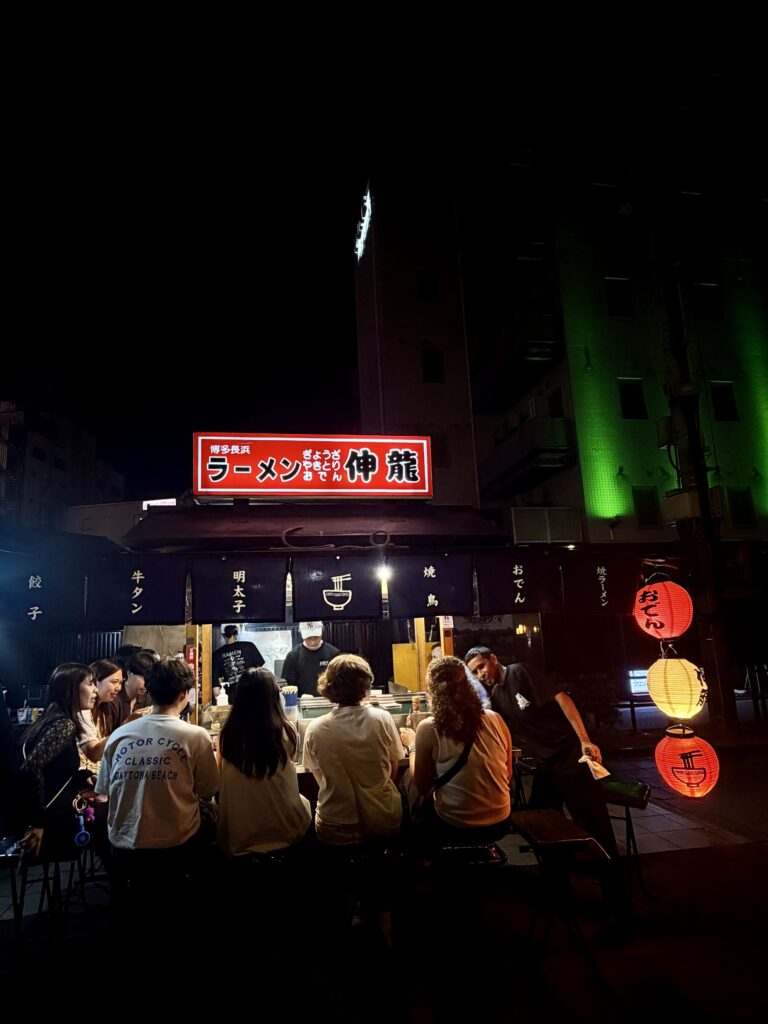
One of the best ways to experience Fukuoka’s famous food scene is by visiting its lively food markets and traditional yatai food stalls. These small, open-air food stalls are one of the city’s most iconic experiences and are particularly popular in the evening.
You can find yatai serving a wide variety of delicious Japanese dishes, including Hakata ramen, yakitori, gyoza and other local specialities. Sitting alongside locals and fellow travellers at these small food stalls is a great way to experience the lively atmosphere of Fukuoka after dark.
Fukuoka is also home to several food markets where you can discover fresh local produce, seafood and Japanese street food. We loved exploring the city’s food scene and would definitely recommend making time to experience the famous yatai during your visit.
Try Fukuoka’s Famous Hakata Ramen
No visit to Fukuoka would be complete without trying its famous Hakata ramen. Known for its rich, creamy pork bone broth and thin, straight noodles, this local speciality is one of the dishes Fukuoka is best known for.
Hakata ramen is traditionally served with toppings such as sliced pork, green onions and soft-boiled egg, although the exact toppings can vary between restaurants. One of the best things about this style of ramen is that you can often order extra noodles, known as kaedama, once you have finished your first serving.
Whether you choose to enjoy a bowl in a traditional ramen restaurant or from one of Fukuoka’s famous yatai food stalls, trying Hakata ramen is an absolute must for any food lover visiting the city.
Eat at a Traditional Yatai Food Stall
One of the most unique things to do in Fukuoka is to eat at one of the city’s traditional yatai food stalls. These small, open-air food stalls are a huge part of Fukuoka’s food culture and come alive in the evenings as locals and visitors gather to enjoy delicious food and drinks.
Most yatai can be found around popular areas such as Nakasu, Tenjin and Nagahama, with each stall offering its own selection of dishes. From steaming bowls of Hakata ramen and gyoza to yakitori and other local specialities, there is plenty to choose from.
What makes the experience so special is the atmosphere. The stalls are small and seating is often limited, meaning you can find yourself sitting alongside locals and fellow travellers. We loved the lively atmosphere and would definitely recommend adding a traditional yatai experience to your Fukuoka itinerary.
How Many Days Do You Need in Fukuoka?
We recommend spending at least 2–3 days in Fukuoka to experience the city’s main attractions, enjoy its famous food scene and explore some of its traditional temples and shrines without feeling rushed.
If you are visiting Fukuoka as part of a wider Japan itinerary, 2 days is enough to see many of the city’s highlights, including Hakata, Kushida Shrine, Tochoji Temple, Canal City Hakata and some of the famous yatai food stalls.
However, if you have more time, we would recommend spending 3–4 days in Fukuoka. This gives you the opportunity to explore the city at a slower pace and take day trips to nearby destinations such as Dazaifu or Itoshima.
We personally wish we had allowed ourselves more time in Fukuoka. It was one of the most unexpected highlights of our Japan trip, and we quickly realised there was far more to see and do than we had initially expected. If we were to visit again, we would definitely dedicate more time to exploring both Fukuoka and the surrounding area.
How to Get to Fukuoka
Fukuoka is one of the easiest cities in Japan to reach, making it a great addition to any Japan itinerary. Located on the northern coast of Kyushu, the city is well connected by high-speed trains, domestic flights and international routes.
Getting to Fukuoka by Train
If you are already travelling around Japan, taking the Shinkansen is one of the easiest ways to reach Fukuoka. The city is served by Hakata Station, which is connected to major destinations including Osaka, Kyoto and Hiroshima.
We travelled to Fukuoka as part of our wider Japan itinerary and found the city easy to reach, making it a convenient destination to add to your route around the country.
Getting to Fukuoka by Plane
Fukuoka Airport is located incredibly close to the city centre, making flying into Fukuoka particularly convenient. The airport is connected to the city by public transport, meaning you can be exploring the city shortly after landing.
Fukuoka also has excellent connections to other major cities in Japan, including Tokyo, Osaka and Sapporo, as well as international destinations across Asia.
Getting to Fukuoka by Ferry
Fukuoka can also be reached by ferry from several destinations, including parts of South Korea and other areas of Japan. This makes it a particularly popular entry point for travellers exploring both Japan and South Korea.
For us, Fukuoka was an unexpected addition to our Japan itinerary, but its excellent transport connections made it incredibly easy to include in our travels.
Where to Stay in Fukuoka
Choosing where to stay in Fukuoka depends on what you want from your visit, but the city has plenty of great areas to choose from. As Fukuoka is relatively easy to explore, staying in a central location means you can easily access the city’s main attractions, restaurants and transport links.
For first-time visitors, Hakata and Tenjin are two of the best areas to stay in Fukuoka. Both offer excellent transport connections, plenty of restaurants and easy access to many of the city’s main attractions.
Stay in Hakata: Best for Transport and First-Time Visitors
Hakata is one of the most convenient areas to stay in Fukuoka, particularly if you are arriving by Shinkansen or planning to explore more of Kyushu. Hakata Station offers excellent transport connections, while the surrounding area is home to plenty of restaurants, shops and attractions.
Stay in Tenjin: Best for Shopping, Dining and Nightlife
Tenjin is a great option if you want to be close to Fukuoka’s shopping, restaurants and nightlife. The area has a lively atmosphere and is also within easy reach of many of the city’s main attractions.
Stay in Nakasu: Best for Food and Evening Entertainment
Nakasu is one of Fukuoka’s most vibrant areas and is particularly well known for its food scene and nightlife. It is also a great place to stay if you want to be close to the famous yatai food stalls and experience Fukuoka after dark.
For our visit, we chose to stay in Hakata, which offered an ideal base for exploring Fukuoka. We loved being within easy reach of the city’s main attractions while also having plenty of restaurants and transport options nearby.
Best Day Trips from Fukuoka
While Fukuoka has more than enough attractions to keep you busy, its location also makes it a fantastic base for exploring some of the surrounding areas of Kyushu. If you are staying in Fukuoka for more than a few days, there are plenty of incredible day trips within easy reach of the city.
From historic shrines and traditional towns to coastal landscapes and unique cultural attractions, taking a day trip is a great way to experience more of the region. We did not have time for any day trips which is one of the reasons we wished we had longer. However here are some of the ones we have added to our list for next time.
Take a Day Trip to Dazaifu
One of the most popular day trips from Fukuoka is to Dazaifu, a historic town located just outside the city. The area is best known for Dazaifu Tenmangu Shrine, one of the most important shrines in Japan.
Dazaifu is also a great place to explore traditional streets, browse local shops and try some delicious Japanese snacks.
Visit the Coastal City of Itoshima
If you are looking for a break from the city, Itoshima is a beautiful coastal destination located west of Fukuoka. The area is known for its beaches, scenic coastline, cafés and relaxed atmosphere.
Itoshima is a great option for anyone looking to experience a more peaceful side of the region.
Explore Mojiko Retro
Another interesting day trip option is Mojiko Retro, a historic port district located in Kitakyushu. The area is known for its preserved Western-style architecture, waterfront views and fascinating history.
Mojiko Retro offers something completely different from the busy streets of Fukuoka and is a great destination for anyone interested in history and architecture.
If we had allowed ourselves more time in Fukuoka, exploring more of the surrounding area would definitely have been high on our list. This is one of the main reasons we would love to return to Fukuoka in the future.
Frequently Asked Questions About Visiting Fukuoka
Is Fukuoka Worth Visiting?
Absolutely! Fukuoka is one of Japan’s most underrated destinations and offers an incredible mix of delicious food, traditional temples, modern attractions and vibrant city life. We were initially unsure what to expect, but Fukuoka quickly became one of our favourite destinations in Japan.
How Many Days Do You Need in Fukuoka?
We recommend spending at least 2–3 days in Fukuoka. This gives you enough time to explore the city’s main attractions, try the famous Hakata ramen and experience the city’s lively food scene. If you want to take day trips to places such as Dazaifu or Nanzoin Temple, consider staying for 3–4 days.
What Is Fukuoka Famous For?
Fukuoka is best known for its delicious food, particularly Hakata ramen, lively yatai food stalls and rich history. The city is also home to beautiful temples and shrines, including Kushida Shrine and Tochoji Temple.
What Is the Best Time to Visit Fukuoka?
The best times to visit Fukuoka are generally spring and autumn, when the weather is pleasant and comfortable for sightseeing. Spring is particularly beautiful during cherry blossom season, while autumn offers cooler temperatures and colourful foliage.
Is Fukuoka Easy to Get Around?
Yes, Fukuoka is relatively easy to explore. The city has an efficient public transport network, including trains and buses, while many of the main attractions are located within easy reach of one another.
Is Fukuoka Expensive to Visit?
Fukuoka can be a relatively affordable destination compared with some of Japan’s larger cities. There are plenty of affordable restaurants and food stalls, while many temples, shrines and parks are either free or inexpensive to visit.
Where Is the Best Area to Stay in Fukuoka?
Hakata is one of the best areas to stay for first-time visitors and those looking for convenient transport connections. Tenjin is ideal for shopping, restaurants and nightlife, while Nakasu is a great option for those wanting to be close to Fukuoka’s famous food scene and yatai stalls.
What Food Should You Try in Fukuoka?
You should definitely try Hakata ramen, which is famous for its rich pork-bone broth and thin noodles. Other must-try experiences include eating at a traditional yatai food stall and sampling local Japanese dishes throughout the city.
Is Fukuoka a Good Base for Exploring Kyushu?
Yes, Fukuoka is an excellent base for exploring northern Kyushu. Its convenient transport connections make it easy to take day trips to destinations such as Dazaifu, Nanzoin Temple, Itoshima and Mojiko Retro.
How Do You Get to Fukuoka?
Fukuoka can be reached by Shinkansen, domestic and international flights, and ferry. The city’s main train station, Hakata Station, has excellent connections to major cities across Japan, while Fukuoka Airport is conveniently located close to the city centre.
Is Fukuoka Good for First-Time Visitors to Japan?
Yes, Fukuoka is a great destination for first-time visitors to Japan. It offers many of the experiences travellers associate with Japan, including traditional temples, delicious food and efficient public transport, while often feeling less overwhelming than larger cities such as Tokyo and Osaka.
What Is the Best Thing About Visiting Fukuoka?
For us, the best thing about Fukuoka was how unexpected it was. We only discovered the city while reading through our Lonely Planet Japan guidebook at the airport, but it quickly became one of our favourite places on our trip. Our only regret was not allowing ourselves more time to explore this incredible and underrated destination.